Best Electric Cabinet Heater for Under-Cabinet and Kickspace Heating
The appliances below focus on compact, under-cabinet and cabinet-style electric heaters designed for kitchens, bathrooms, and small rooms. Each entry lists core features, suitability, and installation or portability notes to help compare models quickly.
This Comfort Zone unit is a portable infrared quartz cabinet heater that emphasizes radiant warmth and easy relocation. The product description highlights infrared quartz heating that transfers heat directly to objects and occupants, mimicking sun-like warmth.
Safety and control features include a digital display, adjustable thermostat, overheat protection, and a tip-over switch. The unit includes a remote control and four wheels for mobility. The housing is described as stay-cool for safer handling. These elements suit homeowners seeking a moveable cabinet-style heater with basic safety and convenience features.
AIREPUSH Electric Kickspace Heater With Built-In Thermostat
The AIREPUSH HTA15-ULTRA is a low-profile kickspace/plinth heater designed to fit under cabinets and vanities. The unit advertises 3s instant heating via double finned heating bars and automatic voltage recognition (120V/240V).
Call 888-896-7031 for Free Local HVAC Quotes – Compare and Save Today!
Controls include a remote control, digital display, and built-in thermostat and timer for set-and-forget operation. At roughly 4″ tall, it is optimized for tight spaces such as kitchen toe kicks or bathroom vanities. The manufacturer emphasizes space savings and rapid heat output for locations lacking central heating.
Cadet’s UCH is a hardwired under-cabinet heater specified with up to 1800W output and multi-volt/watt flexibility. The product description highlights compatibility with kitchens and bathrooms and includes both white and black grille face options.
Key selling points are its higher wattage capability and flexible installation choices. The UCH is targeted toward users wanting a permanent under-cabinet heating solution integrated into existing electrical wiring, rather than a portable plug-in unit.
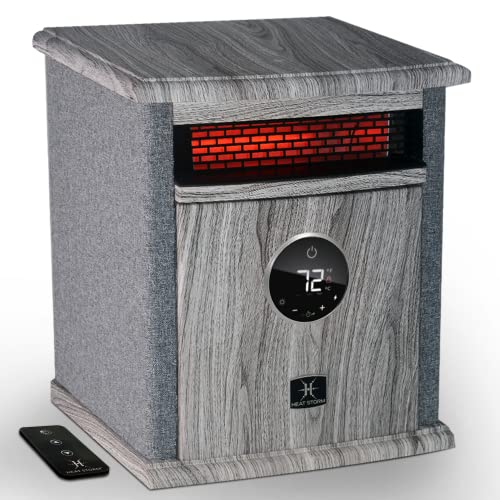
The Heat Storm HS-1500-ILODG is a compact cabinet heater featuring a built-in thermostat with LED display and remote control. The manufacturer describes a patented heat exchanger (HMS Technology) that works with room humidity to produce “soft, safe heat” without reducing oxygen or humidity.
Call 888-896-7031 for Free Local HVAC Quotes – Compare and Save Today!
Design notes include optional casters for portability and an Energy-Efficient mode that can lower wattage from 1500W to 750W. This model aligns with users seeking adjustable output modes, digital controls, and combined portability and controlled heating performance.
ALORAIR WarmHub 15 Electric Kickspace Heater With Thermostat
The ALORAIR WarmHub 15 is a toe kick/under-cabinet heater featuring a 1350W element, a high-efficiency blower, and a 2769 RPM DC motor for increased airflow. The seller highlights a 200mm extended blower and heating tube to improve heating efficiency by about 30%.
Controls include a front control panel, temperature display, and a full-function remote. The unit has an integrated thermostat and timer for automatic shutoff at the desired temperature. This model is positioned for buyers who want a balance of under-cabinet installation with remote convenience and boosted airflow.
Buying Guide: How To Choose The Right Electric Cabinet Or Kickspace Heater
Selecting an electric cabinet heater involves evaluating space, installation, control features, safety, and long-term operating considerations. The sections below break down the most relevant factors and provide comparison perspectives for different use cases.
1. Type And Intended Location
Kickspace/Toe Kick Heaters: Designed to fit under cabinets or vanities (typically 3–6″ tall). Best when you need hidden heating in kitchens, bathrooms, or mudrooms. Examples: AIREPUSH, ALORAIR.
Under-Cabinet Hardwired Heaters: Permanent installation, often higher wattage (e.g., Cadet UCH). Suitable for long-term, integrated heating where plumbing or electrical access allows hardwiring.
Portable Cabinet Heaters: Free-standing with casters or stable base, plug-in operation, and remote control (e.g., Comfort Zone, Heat Storm). Better for flexible use across rooms and temporary supplementation.
2. Heating Technology And Performance
Infrared/Quartz: Radiant heat warms objects and people quickly; effective for localized warmth and perceived comfort. Good for small rooms or direct-area heating (Comfort Zone).
PTC/Ceramic Or Finned Bars: Provide convection heat distributed by air movement; PTC ceramic self-regulates temperature and can be efficient for room circulation (Dreo-style PTC, AIREPUSH finned bars).
Heat Exchangers & Blowers: Units with blowers or heat-exchange designs can move warm air further, improving distribution in larger rooms (Heat Storm, ALORAIR).
3. Power, Wattage, And Coverage
Wattage Range: Common cabinet heaters run between ~750W and 1800W. Higher wattage typically increases output but also energy draw (Cadet UCH up to 1800W, many cabinet units 1350–1500W).
Room Size Estimates: Use wattage as a proxy—rough guidance: 10–15W per square foot for supplemental heating in well-insulated spaces. For larger or poorly insulated areas, choose higher-capacity or multiple units.
Adjustable Output Modes: Energy-saving modes or multi-watt capabilities let you reduce consumption during mild weather. Look for models with an Energy-Efficient or low-wattage mode.
4. Controls, Thermostats, And Timers
Built-In Thermostats: Provide automatic shutoff and maintain set temperature. Models with fine increments can save energy by avoiding overshoot (some PTC units offer 1°F increments).
Remote Controls & Digital Displays: Enhance convenience for portable and hidden installations. Remote control is helpful for toe kick units located under cabinets.
Timers: Useful to pre-heat spaces or limit runtime. Consider a programmable timer if you want schedules or automatic shutoff to save energy.
5. Installation And Mounting
Plug-In Versus Hardwired: Plug-in units are easiest to install and move; hardwired models require electrician work but give cleaner integration and may allow higher wattage.
Clearances And Airflow: Kickspace heaters need proper airflow under cabinets; ensure manufacturer clearance specs are followed to avoid overheating. Under-cabinet units may need ventilation or grille placement.
Portability Options: Casters or lightweight cabinets allow relocation. If you plan to move the heater across rooms, prioritize portable cabinet models.
6. Safety Features
Overheat Protection: Automatically shuts down if internal temperatures exceed safe limits.
Tip-Over Switch: Important for portable models to cut power if knocked over (Comfort Zone, Dreo-style features).
Cool-Touch Housings and Grilles: Reduce burn risk when installed in frequently accessed areas.
Certifications: Look for ETL, UL, or equivalent safety listings for electrical and fire safety compliance.
7. Noise And Air Movement
Blower-Equipped Units deliver stronger airflow for better heat distribution, but can produce audible noise; check RPM or sound specs for quieter operation (ALORAIR emphasizes a DC motor for lower noise).
Radiant Units with no fan tend to operate silently but may not circulate heat as broadly.
8. Maintenance And Durability
Accessible Filters & Grilles: Some units may require occasional grille cleaning to maintain airflow.
Heating Element Longevity: Ceramic and PTC elements typically resist burnout better than some bulb-based systems; infrared quartz bulbs may eventually need replacement depending on usage profile.
Warranty And Support: Consider manufacturer support and warranty terms for long-term reliability.
9. Energy Efficiency And Operating Cost Considerations
Smart Thermostats and precise temperature control reduce runtime and energy use by maintaining target temperatures without overshooting.
Lower Wattage Modes and timers help reduce consumption when full heat is unnecessary (Heat Storm’s 750W mode, multi-watt installations).
Supplemental Vs Primary Heating: Cabinet heaters are most efficient as targeted supplemental sources rather than the primary heat source for large, poorly insulated spaces.
10. Matching Features To Use Cases
Small Bathroom Or Vanity Warmth: Choose low-profile kickspace models with rapid response and built-in thermostat (AIREPUSH, ALORAIR).
Portable Supplemental Heat For Living Areas: Select cabinet-style portable units with wheels, remote, and tip-over protection (Comfort Zone, Heat Storm).
Permanently Integrated Kitchen Comfort: Hardwired under-cabinet heaters with higher wattage and grille color options provide a cleaner finish and greater sustained output (Cadet UCH).
When comparing models, balance installation complexity with performance requirements and long-term operating costs. Cross-check manufacturer clearance, wiring requirements, and certification labels before purchase or installation.
Tips for Getting the Best HVAC Prices
Prioritize Quality Over Cost The most critical factor in any HVAC project is the quality of the installation. Don’t compromise on contractor expertise just to save money.
Check for Rebates Always research current rebates and incentives — they can significantly reduce your overall cost.
Compare Multiple Quotes Request at least three estimates before making your choice. You can click here to get three free quotes from local professionals. These quotes include available rebates and tax credits and automatically exclude unqualified contractors.