
Choosing the right heater for an event tent affects guest comfort, safety, and logistics. Below is a concise comparison of five tent heaters suited for events, camping tents, pop-up canopies, and outdoor gatherings. The table summarizes key specs to help you match heater type to your event needs.
| Product | Fuel / Power | Heat Output | Safety Features | Best For |
|---|---|---|---|---|
| Mr. Heater Portable Buddy MH9BX | Propane (1 lb or larger) | 4,000–9,000 BTU | Tip-over switch, low oxygen sensor | Small to medium enclosed tents, breakout rooms |
| KOMAN Propane Tent Heater | 1 lb Propane Or 20–40 lb LP With Adapter | Variable (portable camping to patio-level) | Auto shut-off, tip-over switch, CSA certified | Versatile events requiring both portable and stationary use |
| L.B. White Volt 3 Electric Forced Air | Electric (plug-in) | Electric forced air (high output for small tents) | Overheat protection, sealed motor | Indoor or semi-enclosed tents with reliable power |
| Mosoyolo Portable Propane 6500 BTU | Propane (small cylinder) | 6,500 BTU | Tip-over leak protection, electric igniter | Small tents, golf cart shelters, quick warming |
| Riseon 1500W Electric Garage / Patio Heater | Electric (plug-in) | 1500W (PTC Ceramic) | Overheat protection, child lock, tip-resistant base | Pop-up canopies with power access, greenhouse-style tents |
Mr. Heater Portable Buddy Heater MH9BX
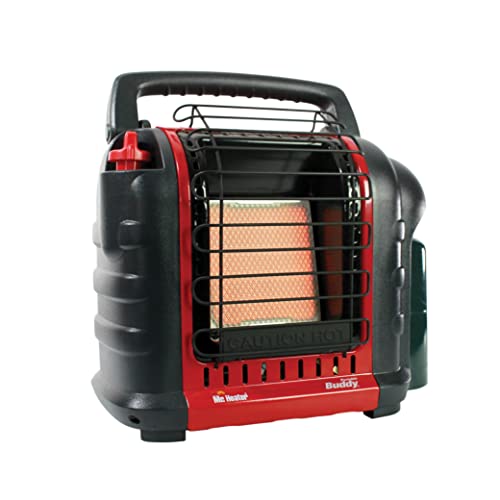
The Mr. Heater Portable Buddy MH9BX Uses infrared radiant heat to warm people and objects directly rather than relying solely on air temperature. With adjustable output between 4,000 and 9,000 BTU, it is rated for spaces up to about 225 sq. ft. Designed for portability, it includes a durable piezo igniter for reliable startup without matches.
- Heat Delivery: Radiant infrared ideal for targeted warmth in small-to-medium tents.
- Safety: Enhanced tip-over safety switch and low-oxygen shutoff help mitigate common propane risks when used per manufacturer guidance.
- Use Cases: Trade show booths, enclosed pop-ups, and vendor tents with adequate ventilation and compliance with local codes.
Operators should follow ventilation guidelines and avoid using in completely sealed spaces. The unit’s compact design and direct heat pattern make it practical for event tents where rapid localized warmth is needed.
KOMAN Propane Heater For Tent, Camping & Patio

The KOMAN Propane Heater Emphasizes fuel flexibility, accepting 1 lb disposable cylinders for portability or connecting to larger 20–40 lb LP tanks via a POL adapter for extended runtime. The heater includes CSA certification, an automatic tip-over switch, and an auto shut-off valve for enhanced safety.
Call 888-896-7031 for Free Local HVAC Quotes – Compare and Save Today!
- Flexibility: Convert from camping-style short runs to longer event operation with the included adapter.
- Safety Components: Tip-over and shut-off valves reduce accidental operation risks; ceramic components reduce heat transfer to gas lines.
- Portability: Comes with a hanger handle and a 1 lb cylinder holder to stabilize the tank during transport and use.
This model suits event organizers who need a single heater they can repurpose between small tents and larger outdoor setups where extended runtime from a bulk tank is beneficial.
L.B. White Volt 3 Electric Forced Air Portable Heater
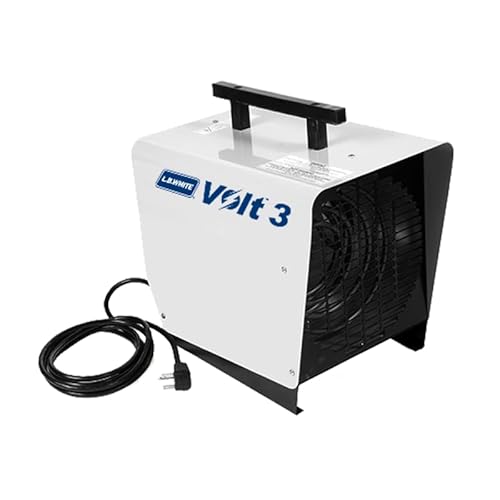
The L.B. White Volt 3 Is An electric forced-air heater with an ambient thermostat range of 32°F to 100°F and built-in overheat protection. Its sealed motor and stainless-jacketed heating coils make it a combustion-free option for events where open flame or fuel combustion is prohibited.
- Combustion-Free Heating: No fuel combustion or odors—suitable for enclosed tents with electrical access.
- Durable Construction: Powder-coated steel housing and sealed motor for industrial-grade reliability.
- Control: Ambient thermostat allows consistent temperature maintenance across event durations.
Electric forced-air units are preferable for indoor venues or tents where fuel use is restricted. Confirm power availability and circuit capacity before deployment at an event site.
Mosoyolo Portable Propane Heater Camping 6500 BTU

The Mosoyolo 6500 BTU Propane Heater Offers a compact, cordless heat source with a built-in electric igniter and a folding leg base for stable placement. Its aluminum reflector panel focuses heat output, making it useful for small tents and individual comfort zones within larger event spaces.
Call 888-896-7031 for Free Local HVAC Quotes – Compare and Save Today!
- Heat Output: 6,500 BTU for quick localized warmth.
- Safety: Tip-over automatic leak protection and brass connectors for corrosion resistance at high temperatures.
- Portability: Folding legs and a compact footprint ease transport and storage between events.
This model fits scenarios where short-duration, cordless warmth is needed without access to electrical power. Follow recommended clearances and keep away from flammables while operating.
Riseon 1500W Electric Garage Heater With Remote Thermostat

The Riseon 1500W Electric Heater Uses a PTC ceramic element with multiple modes, remote control, and an intelligent thermostat to deliver regulated heat. It incorporates overheat protection, child lock, and a braced base to reduce tipping—features that support safe event use in pop-up canopies and power-accessible tents.
- Controls: Remote and touch control with ECO, low, mid, and high modes provide flexibility for varying attendee comfort levels.
- Safety: ETL/overheat protection and design features that prevent accidental tipping or misuse.
- Application: Best where steady, quiet electric heat is preferable and power supply is available.
Electric ceramic heaters offer predictable performance with less ventilation requirement than gas options, but confirm electrical load and cable routing for safety during events.
Buying Guide: Choosing The Right Tent Heater For Your Event
Selecting the optimal tent heater requires balancing heat output, safety, fuel logistics, and venue constraints. Below are the key considerations and comparative perspectives to guide your decision.
1. Heat Type And Output
Heaters deliver warmth via radiant or convective/forced air. Radiant (infrared) heaters warm people and objects directly and are efficient for open or partially enclosed tents. Forced-air and ceramic electric heaters warm air and are effective for maintaining ambient tent temperatures. Match BTU or watt output to tent size and expected exposure; propane units offer high BTU per unit weight, while electric units provide steady watt-based heat.
2. Fuel Source And Logistics
Propane Heaters: Provide mobility and strong output without power hookups. Consider cylinder swapping, refilling logistics, and secure storage. Dual-fuel models with adapters can transition from small disposable cylinders to bulk tanks for long events.
Electric Heaters: Require stable electrical supply and attention to circuit capacity. They eliminate combustion risks and fuel handling but need extension cords, GFCI protection, and possibly generator capacity for outdoor remote sites.
3. Safety Features And Compliance
Look For tip-over switches, automatic shut-off valves, overheat protection, and low-oxygen sensors. CSA/ETL certifications or similar third-party testing indicate recognized safety standards. For enclosed tents, follow local fire codes and venue rules on open-flame or fuel-burning devices.
4. Ventilation And Placement
Propane units require adequate ventilation to prevent CO accumulation. Provide clearances from sidewalls and fabrics and avoid placing heaters directly under low tent roofs. Electric units reduce ventilation demands but still need space for airflow and to prevent overheating of tent materials.
5. Portability And Setup Complexity
Consider weight, handle design, foldable bases, and mounting/hanger options. Event teams benefit from heaters that are quick to install and secure. Models that accept both disposable and bulk fuel allow flexibility across different event types.
6. Noise And Guest Comfort
Forced-air heaters typically produce more noise than radiant or ceramic heaters. For events requiring conversation, low-noise models or positioning heaters away from seating areas can preserve comfort while maintaining warmth.
7. Runtime And Maintenance
Estimate runtime per cylinder or expected electrical energy usage. For propane units, factor in fuel consumption rates and have spares on hand. For electric heaters, ensure filter/coil maintenance and check seals on motors for longevity.
8. Cost Of Ownership And Scalability
Balance upfront cost against operating expenses—propane refill frequency versus electricity rates. For larger events, plan heater placement and number of units for even coverage, and consider mixing heater types (e.g., radiant for zones, electric for ambient) to optimize efficiency.
9. Environmental And Regulatory Considerations
Some venues or municipalities restrict combustion-based heaters. Verify permits and environmental rules. Electric heaters may offer easier compliance in restricted or indoor environments.
10. Matching Heater To Tent Type
For small pop-up canopies and individual pods, compact propane heaters (4,000–9,000 BTU) or 6,500 BTU cordless units provide targeted warmth. For larger enclosed event tents with power access, electric forced-air or 1500W+ ceramic heaters help maintain ambient temperatures more evenly.
By weighing these factors—heat delivery method, fuel logistics, safety, ventilation, and event-specific constraints—you can choose a tent heater combination that meets performance needs while supporting safe, comfortable event conditions.
Tips for Getting the Best HVAC Prices
- Prioritize Quality Over Cost
The most critical factor in any HVAC project is the quality of the installation. Don’t compromise on contractor expertise just to save money. - Check for Rebates
Always research current rebates and incentives — they can significantly reduce your overall cost. - Compare Multiple Quotes
Request at least three estimates before making your choice. You can click here to get three free quotes from local professionals. These quotes include available rebates and tax credits and automatically exclude unqualified contractors. - Negotiate Smartly
Once you've chosen a contractor, use the proven strategies from our guide — How Homeowners Can Negotiate with HVAC Dealers — to get the best possible final price.