
Propane brick and vent-free heaters offer efficient, space-saving warmth for living rooms, sunrooms, garages, and workshops. Below is a quick comparison of selected propane heaters that include models with brick interiors, vent-free blue flame performance, and portable infrared options suitable for various spaces.
| Product | Type | BTU Range | Ideal For |
|---|---|---|---|
| Empire Comfort Systems 36" Direct-Vent LP Fireplace | Direct-Vent Fireplace (Brick Interior) | Fixed LP Output | Living Rooms, Decorative Installations |
| Dyna-Glo IR30PMDG-1 30,000 BTU Vent Free Wall Heater | Infrared Vent-Free Wall Heater | 6,000–30,000 | Large Rooms Up To ~1,000 Sq. Ft. |
| Mr. Heater MHVFBF20LPT 20,000 BTU Blue Flame Vent Free | Blue Flame Vent-Free Wall Heater | Up To 20,000 | Rooms, Cabins, Additions Up To ~700 Sq. Ft. |
| Mr Heater 4000–18000 BTU Portable LP Gas Heater | Portable Propane Tank Heater | 4,000 / 9,000 / 18,000 | Garages, Patios, Workshops |
| Mr. Heater Portable Buddy MH9BX 4,000–9,000 BTU | Portable Radiant Propane Heater | 4,000–9,000 | Small Spaces, Campers, Worksites |
Content Navigation
- Empire Comfort Systems 36″ Direct-Vent LP Fireplace
- Dyna-Glo IR30PMDG-1 30,000 BTU Infrared Vent Free Wall Heater
- Mr. Heater MHVFBF20LPT 20,000 BTU Blue Flame Vent Free
- Mr Heater 4000 To 18000 BTU Portable LP Gas Heater Unit
- Mr. Heater Portable Buddy Heater MH9BX 4,000–9,000 BTU
- Buying Guide: Key Considerations When Choosing A Propane Brick Or Vent-Free Heater
Empire Comfort Systems 36″ Direct-Vent LP Fireplace

Type & Design: Direct-vent LP fireplace designed to simulate a traditional hearth with included logs, burner, tempered glass, and a herringbone ceramic fiber brick interior for a brick-like appearance.
Installation & Operation: Millivolt control with an on/off switch allows operation without external power; suitable for applications requiring decorative brick aesthetics and consistent flame display.
Use Cases & Considerations: Intended for homes where a built-in appearance with brick-like surround is desired. Because it is a direct-vent unit, installation typically requires a proper vent or chase as specified by manufacturer instructions and local codes.
Dyna-Glo IR30PMDG-1 30,000 BTU Infrared Vent Free Wall Heater

Call 888-896-7031 for Free Local HVAC Quotes – Compare and Save Today!
Heating Technology: Infrared heating radiates heat to warm objects first, similar to sunlight, which helps maintain comfortable surfaces and steady warmth in a room.
Capacity & Coverage: Variable output from 6,000 to 30,000 BTU/hr and rated to heat spaces up to about 1,000 sq. ft. depending on insulation and layout.
Suitability: Vent-free design is intended for indoor use where venting is not possible. Because it runs on liquid propane, ensure compliance with local vent-free appliance regulations and consider oxygen depletion sensor (ODS) requirements in enclosed spaces.
Mr. Heater MHVFBF20LPT 20,000 BTU Blue Flame Vent Free
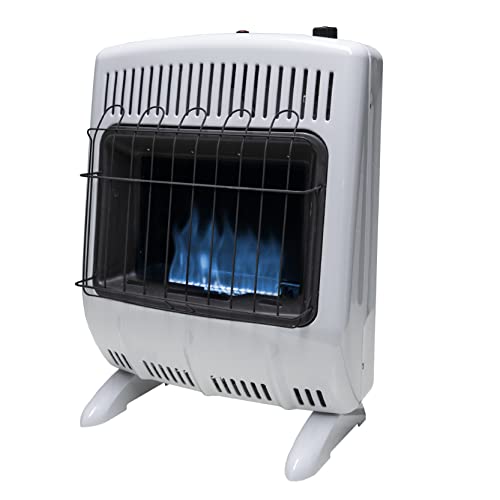
Performance: Produces up to 20,000 BTU, designed to heat rooms or cabins up to about 700 sq. ft. Blue flame combustion distributes heat through heated air convection.
Controls & Safety: Includes a thermostat for temperature control and battery-powered electronic ignition (battery included). Features an Oxygen Depletion Sensor (ODS) as a factory-standard safety measure.
Call 888-896-7031 for Free Local HVAC Quotes – Compare and Save Today!
Application Notes: Suited for interior spaces where a vent-free wall heater is acceptable. Evaluate room ventilation and local codes before installation, and follow clearance requirements for safe mounting.
Mr Heater 4000 To 18000 BTU Portable LP Gas Heater Unit
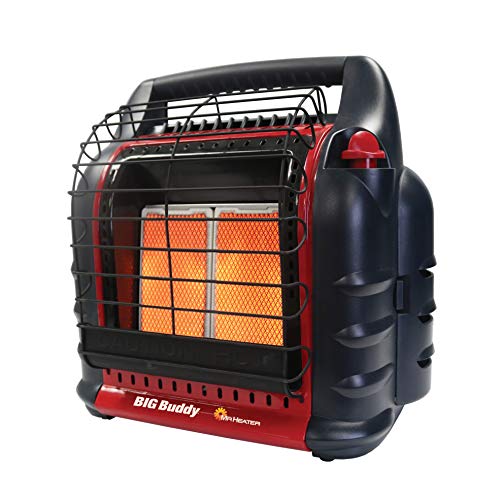
Flexibility: Offers three heat settings — 4,000 / 9,000 / 18,000 BTU — for adjustable warmth in smaller rooms, patios, and job sites. Can be adapted to larger LP tanks with additional hose and filter for extended runtime.
Safety & Ignition: Single control knob with piezo spark ignition and automatic safety shutoff in case of tip-over. Portable format allows temporary heating where a brick or built-in heater is not feasible.
Considerations: Not a built-in brick-style appliance but useful as a complementary heat source. Check compatibility with local indoor use regulations if deploying inside enclosed spaces.
Mr. Heater Portable Buddy Heater MH9BX 4,000–9,000 BTU
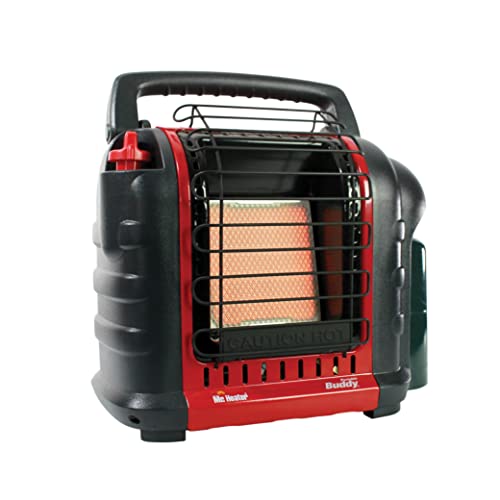
Heating Style: Portable infrared radiant heater that warms objects and people directly with advanced infrared technology, delivering a sun-like warmth in immediate areas.
Output & Safety: Adjustable from 4,000 to 9,000 BTU for spaces up to about 225 sq. ft. Enhanced tip-over safety switch with audible engagement and a durable Piezo igniter for matchless startup.
Use Cases: Best for small areas, campers, workstations, or as a supplemental heater. Because it is designed for indoor-safe use in specific settings, follow manufacturer ventilation and placement guidance.
Buying Guide: Key Considerations When Choosing A Propane Brick Or Vent-Free Heater
1. Heater Type & Aesthetic: Decide between a decorative brick-style fireplace (direct-vent or vented) and a vent-free/blue flame unit. Brick interiors like ceramic fiber provide the fireplace look; vent-free models prioritize efficiency and installation flexibility.
2. Venting Requirements & Local Codes: Confirm local building codes and regulations for vent-free appliances. Direct-vent and vented units require specific venting paths, while vent-free heaters rely on adequate room ventilation and ODS safety features.
3. Heating Capacity & Coverage: Match BTU output to room size. Infrared and radiant heaters warm objects and occupants effectively at lower air temperatures, while higher-BTU vent-free units heat larger volumes of air and rooms.
4. Safety Features: Look for Oxygen Depletion Sensors (ODS), tip-over shutoff, overheat protection, and certified ignition systems (piezo or electronic). These features are important for indoor use and installations near high-traffic areas.
5. Fuel Type & Conversion: Confirm whether the unit is set for liquid propane (LP) or natural gas and whether conversion kits are available or allowed. Some units, especially direct-vent or category-specific appliances, prohibit fuel conversion.
6. Installation & Clearance: Consider required clearances, mounting options, and whether professional installation is advised. Direct-vent fireplaces commonly need framing and vent chase work; wall-mounted vent-free units need proper clearances from combustibles.
7. Control & Usability: Evaluate thermostat control, ignition type (battery-powered electronic, piezo, or pulse), and the presence of thermostatic or manual knobs. Controls affect comfort precision and convenience.
8. Efficiency & Comfort Mode: Infrared/radiant heaters deliver immediate localized warmth, beneficial for seating areas; blue flame vent-free units circulate warm air for overall room heating. Choose based on whether surface warmth or ambient air temperature is preferred.
9. Maintenance & Lifespan: Consider ease of cleaning (log sets, glass panels), availability of replacement parts, and manufacturer support. Regular inspections for gas connections and burners are recommended for safety and performance.
10. Portability vs Built-In: Portable units add flexibility for temporary or seasonal heating. Built-in or wall/insert units provide a permanent aesthetic solution resembling masonry fireplaces; choose based on long-term plans and space usage.
Comparison Perspectives: From a decorative standpoint, ceramic fiber brick interiors offer the closest visual match to masonry hearths. From an efficiency standpoint, vent-free blue flame units provide higher room heat output per BTU but require careful ventilation management. Infrared units excel at localized comfort and are often quieter and more direct in warming occupants.
Tips for Getting the Best HVAC Prices
- Prioritize Quality Over Cost
The most critical factor in any HVAC project is the quality of the installation. Don’t compromise on contractor expertise just to save money. - Check for Rebates
Always research current rebates and incentives — they can significantly reduce your overall cost. - Compare Multiple Quotes
Request at least three estimates before making your choice. You can click here to get three free quotes from local professionals. These quotes include available rebates and tax credits and automatically exclude unqualified contractors. - Negotiate Smartly
Once you've chosen a contractor, use the proven strategies from our guide — How Homeowners Can Negotiate with HVAC Dealers — to get the best possible final price.