
Find reliable radiant gas heaters for garages, patios, cabins, and sunrooms. This guide compares five high-performing models, highlights their key features, and offers a practical buying guide to help match a heater to your space and fuel setup.
| Model | Type | Max BTU | Coverage |
|---|---|---|---|
| Dyna-Glo IR30NMDG-1 | Natural Gas Infrared Wall Heater | 30,000 BTU | Up To 1,000 Sq. Ft. |
| Mr. Heater MHVFRD20NGT | Vent-Free Radiant Natural Gas | 20,000 BTU | Up To 700 Sq. Ft. |
| Mr. Heater MHVFDF30RTT | Radiant Dual Fuel (NG & LP) | 30,000 BTU | Up To 1,000 Sq. Ft. |
| Bromic BH0110003-1 Platinum 500 | Natural Gas Infrared Patio Heater | 39,800 BTU | Direct Radiant Coverage |
| Gasland MHA18BN | Portable Propane Radiant Heater | 18,000 BTU | Up To 450 Sq. Ft. |
Content Navigation
- Dyna-Glo IR30NMDG-1 30,000 BTU Natural Gas Heater
- Mr. Heater MHVFRD20NGT 20,000 BTU Vent Free
- Mr. Heater MHVFDF30RTT 30,000 BTU Dual Fuel
- Bromic BH0110003-1 Smart-Heat Platinum 500
- Gasland MHA18BN 18,000 BTU Portable Propane Heater
- Buying Guide: Choosing The Right Radiant Gas Heater
- Heat Output And Coverage
- Fuel Type: Natural Gas Vs Propane
- Vent-Free Vs Vent-Required
- Radiant Technology And Comfort
- Safety Features And Certifications
- Installation And Venting Requirements
- Durability And Environmental Conditions
- Operational Costs And Fuel Efficiency
- Portability And Use Case
- Comparison Perspectives
Dyna-Glo IR30NMDG-1 30,000 BTU Natural Gas Heater

The Dyna-Glo IR30NMDG-1 Is A Natural Gas Infrared Wall Heater Designed For Large Spaces. Its infrared technology radiates heat to objects rather than just warming air, similar to solar warmth.
- Fuel Compatibility: Natural gas ready; no fuel conversion allowed.
- Output: Up To 30,000 BTU/Hr Suitable For Large Rooms Or Garages.
- Coverage: Up To 1,000 Sq. Ft. When Mounted And Positioned Correctly.
- Application: Wall-mounted installation for supplemental or primary radiant heating.
Installation Requires Proper Venting And Professional Gas Hookup Per Local Codes. The unit’s infrared approach emphasizes direct comfort for people and objects, which can feel more immediate than convective heat.
Mr. Heater MHVFRD20NGT 20,000 BTU Vent Free

This Vent-Free Radiant Heater Uses Infrared Burner Tiles To Deliver Direct Heat. It’s Engineered For Indoor Use Where Venting Is Not Practical, While Including Safety Features For Occupied Spaces.
Call 888-896-7031 for Free Local HVAC Quotes – Compare and Save Today!
- BTU Output: 20,000 BTU For Spaces Up To 700 Sq. Ft.
- Radiant Technology: Multi-tile burners Provide Sun-Like Warmth To People And Surfaces.
- Safety: Automatic Low-Oxygen Shut-Off (ODS) To Prevent Unsafe Conditions.
- Use Cases: Offices, Garages, Sunrooms, Patios (If Local Code Allows Ventless Units).
Vent-free operation Improves Installation Flexibility But Requires Awareness Of Indoor Air Quality And Code Restrictions. The built-in oxygen sensor Limits Operation If Ventilation Falls Below Safe Levels.
Mr. Heater MHVFDF30RTT 30,000 BTU Dual Fuel
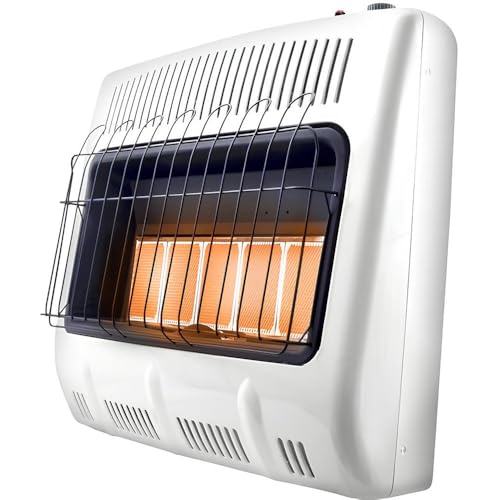
The MHVFDF30RTT Is A Dual-Fuel Radiant Heater That Accepts Both Natural Gas And Propane, Offering Flexibility For Different Fuel Availability. It Uses Infrared Heat To Warm People And Objects Directly.
- BTU & Coverage: 30,000 BTU, Up To 1,000 Sq. Ft. Depending On Layout.
- Dual Fuel: Switch Between Propane And Natural Gas With A Selector Knob.
- Safety: Low Oxygen Shut-Off And Two-Step Fuel Connection To Reduce Misconnection Risk.
- Fuel Consumption: ~1.389 Lbs/Hr On Propane At High Output.
Dual-fuel Capability Can Reduce Installation Constraints And Provide Backup Options When Fuel Supply Changes. Proper Setup And Correct Fuel Hookup Are Essential For Safe Operation.
Bromic BH0110003-1 Smart-Heat Platinum 500

The Bromic Platinum 500 Is A High-Output Patio Infrared Heater With Contemporary Styling And Robust Wind Resistance. It Uses A Radiant Infrared Burner Combined With Ceramic Glass For Focused Comfort.
Call 888-896-7031 for Free Local HVAC Quotes – Compare and Save Today!
- Max BTU: 39,800 BTU For Strong Direct Heat Output.
- Design: Brushed Stainless Steel And Tinted Ceramic Glass For A Modern Look.
- Wind Resistance: Rated To Maintain Performance In Breezy Conditions.
- Installation: Typically Hardwired Or Connected To Natural Gas For Semi-Permanent Patio Installations.
Engineered For Outdoor Or Semi-Enclosed Spaces, The Bromic Unit Emphasizes Focused Comfort For Seating Areas. The sleek finish Is Suitable For Visible Install Locations Where Aesthetic Matters.
Gasland MHA18BN 18,000 BTU Portable Propane Heater

The Gasland MHA18BN Is A Portable Propane Radiant Heater Geared Toward Garages, Workshops, And Job Sites. It Offers Mobility And Built-In Safety Features For Temporary Or Intermittent Use.
- Output & Coverage: 18,000 BTU, Suitable For Up To 450 Sq. Ft. In Well-Ventilated Areas.
- Safety: Tip-Over Shut-Off And Low-Oxygen Shut-Off Systems Included.
- Portability: Rolling Wheels, Handle, And Internal Tank Storage For Easy Movement.
- Power Independence: No Electricity Required; Uses A Standard 20 lb LP Cylinder.
This Model Emphasizes Convenience For Temporary Heating Needs. Because It Is Propane-Powered And Portable, It Requires Adequate Ventilation And Safe Cylinder Handling Practices.
Buying Guide: Choosing The Right Radiant Gas Heater
Heat Output And Coverage
Match BTU Output To Room Size And Insulation. Higher BTU Units Cover Larger Areas But Require Proper gas supply and safe installation. Estimate Square Footage And Compare Manufacturer Coverage Guidelines For Realistic Expectations.
Fuel Type: Natural Gas Vs Propane
Natural Gas Offers Continuous supply for fixed installations where piping exists. Propane is portable and useful where natural gas is unavailable. Dual-fuel units add flexibility but need correct hookup and selector use.
Vent-Free Vs Vent-Required
Vent-Free (Ventless) heaters provide installation flexibility and efficient indoor heat but depend on adequate ventilation and are subject to local code limits. Vent-required or outdoor-only radiant units are suitable for patios and areas where combustion products must be exhausted.
Radiant Technology And Comfort
Radiant heaters Warm Objects And People Directly, Producing A Sun-Like Feel. This Can Be More Efficient For Zoned Heating Versus Warming Entire Room Air. Consider Heater Placement To Direct Heat Where Occupants Spend Time.
Safety Features And Certifications
Look For Oxygen Depletion Sensors (ODS), Tip-Over Switches, And Certified Components. Confirm Compliance With Local Codes And Manufacturer Instructions For Indoor Use.
Installation And Venting Requirements
Fixed Wall Or Ceiling Units Often Require Professional Gas Connections And Mounting. Portable Units Reduce Installation Needs But Still Demand Safe Cylinder Storage And Adequate Ventilation. Verify Local Building And Fire Codes Before Purchase.
Durability And Environmental Conditions
Outdoor Or Patio Heaters Should Be Rated For Weather Exposure And Wind Resistance. Stainless Steel And Ceramic Components Resist Corrosion; confirm the heater’s suitability for semi-enclosed or exposed conditions.
Operational Costs And Fuel Efficiency
While Specific Prices Are Not Provided Here, Consider BTU Per Fuel Consumption Rates And Typical Run Times. Dual-fuel Options Allow Switching To The More Economical Or Available Fuel Source.
Portability And Use Case
Choose Portable Propane Units For Job Sites Or Temporary Needs. Wall-Mounted And Ceiling Units Suit Permanent Supplemental Heating In Living Spaces Or Garages. Consider weight, wheels, and storage when portability matters.
Comparison Perspectives
- Large Fixed Spaces: High-BTU wall or patio units such as Dyna-Glo and Bromic suit large or semi-enclosed areas.
- Indoor Vent-Free Needs: Mr. Heater vent-free models offer efficient indoor radiant heat but require awareness of ventilation limits.
- Fuel Flexibility: Dual-fuel models like Mr. Heater MHVFDF30RTT provide versatility where fuel availability may change.
- Portables: Gasland and similar portable heaters are ideal for temporary work areas and emergency backup heating without electrical dependency.
When selecting, balance BTU, fuel type, installation complexity, safety features, and intended environment to identify the most appropriate radiant gas heater for your needs.
Tips for Getting the Best HVAC Prices
- Prioritize Quality Over Cost
The most critical factor in any HVAC project is the quality of the installation. Don’t compromise on contractor expertise just to save money. - Check for Rebates
Always research current rebates and incentives — they can significantly reduce your overall cost. - Compare Multiple Quotes
Request at least three estimates before making your choice. You can click here to get three free quotes from local professionals. These quotes include available rebates and tax credits and automatically exclude unqualified contractors. - Negotiate Smartly
Once you've chosen a contractor, use the proven strategies from our guide — How Homeowners Can Negotiate with HVAC Dealers — to get the best possible final price.