
Quick Overview: This guide compares five widely available ventless natural gas heaters suitable for homes and small commercial spaces. Below is a quick summary table showing the model, heating type, and approximate coverage so you can scan options before reading details.
| Model | Heating Type | Coverage |
|---|---|---|
| ProCom MN300TPA-B | Infrared | Up To 1,400 Sq. Ft. |
| Dyna-Glo IR30NMDG-1 | Infrared | Up To 1,000 Sq. Ft. |
| ProCom MN300TBA-B | Blue Flame | Up To 1,400 Sq. Ft. |
| Rinnai FC824N | Warm Air / Programmable | Compact Rooms |
| Bluegrass Living B20TNIR-BB | Infrared | Up To 950 Sq. Ft. |
Content Navigation
ProCom MN300TPA-B Infrared Space Heater

This ProCom unit Uses infrared technology and delivers up to 30,000 BTU, stated to heat areas up to 1,400 sq. ft. The model includes both wall mount hardware and base feet for floor placement. Control options include a built-in thermostat with High/Medium/Low settings to regulate output.
Key features listed by the manufacturer include compact design, thermostat control, and a slim profile intended to fit modern interiors. The infrared method heats objects and occupants directly, which can create a perceived warmer environment without needing to raise ambient air temperature dramatically.
Operational notes: This unit is promoted for home and office rooms. Installation flexibility (wall or floor) is included. As with any ventless natural gas heater, consider room ventilation and local codes when installing.
Dyna-Glo IR30NMDG-1 Infrared Wall Heater

Call 888-896-7031 for Free Local HVAC Quotes – Compare and Save Today!
The Dyna-Glo IR30NMDG-1 is a 30,000 BTU infrared wall heater designed to heat up to 1,000 sq. ft. The listing notes the product is “Natural Gas Ready” and that fuel conversion is not permitted. Infrared heating works by radiating heat to objects first, similar to sunlight.
Manufacturer features emphasize simple infrared operation and the ability to warm occupants and surfaces quickly. Wall-mount configuration is common for this product class and helps save floor space. Infrared units typically provide focused, radiant warmth rather than circulated warm air.
Installation considerations: Because it is ventless and natural gas-only, verify local building codes and ensure the space meets requirements for ventless appliance operation and proper combustion air availability.
ProCom MN300TBA-B Blue Flame Space Heater

This ProCom blue flame model offers 30,000 BTU and is rated to heat up to 1,400 sq. ft. It features a built-in thermostat control with High/Medium/Low settings, and it ships with both wall-mount hardware and base feet. The blue flame design convects heat, warming the air similarly to a central heating approach.
Listed features emphasize dependability and an updated slim profile intended to blend with room décor. Blue flame heaters typically distribute heat through convection, which can result in more even ambient air temperatures compared to purely radiant designs.
Call 888-896-7031 for Free Local HVAC Quotes – Compare and Save Today!
Practical notes: The thermostat control provides user-adjustable comfort. Like other ventless natural gas appliances, ensure adequate combustion air and adhere to safety labels and local regulations when locating and operating this heater.
Rinnai FC824N Programmable Wall Heater
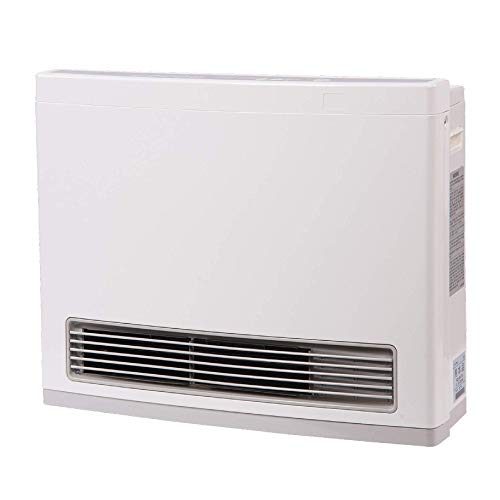
The Rinnai FC824N is described as an energy-efficient ventless natural gas wall heater with a programmable thermostat and digital adaptive control. It provides targeted warm-air output using bottom front louvers and a warm air outlet to heat compact rooms.
Safety and control features listed include a programmable thermostat, self-diagnostics, flame failure device, overheat switch, oxygen depletion sensor (ODS), and tilt switch. These safeties automatically shut off gas or power if unsafe conditions are detected.
Operational context: This model emphasizes precise temperature control and safety interlocks. The digital controls and diagnostics may be advantageous in settings where repeatable temperature settings and monitoring are desired. Verify compatibility with room size and local ventless appliance guidelines.
Bluegrass Living B20TNIR-BB Infrared Heater

The Bluegrass Living B20TNIR-BB is an infrared ventless natural gas heater rated at 20,000 BTU and listed to heat up to 950 sq. ft. The product includes wall mount hardware, base feet, and a blower for enhanced warm-air distribution.
Key features include Low/Med/High thermostat control and a slim profile intended for residential use. The inclusion of a blower can aid in more uniform distribution of warmed air compared with passive infrared-only units.
Use considerations: This mid-size infrared option may suit rooms where radiant warmth plus some air movement is preferred. Check the product’s ventilation and placement guidance, and ensure compliance with applicable codes for ventless appliances.
Buying Guide: How To Choose A Ventless Natural Gas Heater
The buying guide below covers the principal factors to consider when selecting a ventless natural gas heater, offering multiple perspectives to help match product selection with your needs and constraints.
Heating Method: Infrared vs Blue Flame vs Warm Air
- Infrared: Radiant heat warms objects and people directly. Often provides a rapid sense of warmth and can be efficient in spaces where you occupy specific zones.
- Blue Flame (Convective): Heats the air by convection, leading to more evenly distributed ambient temperature across the room.
- Warm Air / Forced Air: Includes louvers or blowers to move warm air; can balance room temperature faster and reduce cold spots.
BTU Output And Room Size
Match a heater’s BTU rating to the room’s square footage, accounting for ceiling height, insulation, and windows. Higher BTU units cover larger or less insulated spaces. Manufacturer coverage figures are useful starting points but consider real-world conditions.
Controls And Thermostat Options
- Manual settings (Low/Med/High) provide simple control and reliability.
- Built-in thermostats enable automatic cycling to maintain target temperature.
- Programmable or digital thermostats offer precise scheduling and adaptive control, useful for energy-saving operation.
Safety Features
Look for essential safety devices such as oxygen depletion sensors (ODS), flame failure devices, overheat switches, and tilt protection. These shut off gas if combustion conditions are unsafe. Digital models may include self-diagnostics for maintenance alerts.
Installation Considerations
- Confirm the unit is approved for your intended location and meets local codes for ventless gas appliances.
- Decide between wall-mount and floor/base placement; models with both options add flexibility.
- Ensure adequate combustion air supply and follow clearance recommendations from the manufacturer.
Energy Efficiency And Use Case
Ventless units deliver nearly all combustion heat to the room, making them efficient in terms of delivered warmth. Consider usage patterns: zone heating for frequently occupied rooms can reduce overall energy use. For continuous whole-house heating, central systems may be more appropriate.
Noise And Comfort
Infrared radiant units tend to be quiet. Models with blowers produce some fan noise but can improve air circulation and perceived comfort. Evaluate whether quiet operation or air movement is more important for the intended space.
Maintenance And Reliability
- Choose units with accessible controls and serviceable components to simplify maintenance.
- Regular inspection of gas connections, pilot/ignition systems, and sensors is critical for safe operation.
- Digital models with self-diagnostics can indicate when service is needed.
Ventless Appliance Regulations
Regulations for ventless gas heaters vary by jurisdiction. Some areas limit or prohibit ventless appliances in certain rooms (e.g., bedrooms). Check local building codes and utility restrictions before purchase and installation.
Comparison Perspectives
- Coverage Focus: Choose higher BTU units for larger, less-insulated spaces; mid-range models suit moderate rooms.
- Control Focus: For precise temperature management and scheduling, prefer programmable or digital thermostats.
- Comfort Focus: For targeted personal warmth, infrared models are effective; for whole-room evenness, blue flame or warm-air units with blowers may perform better.
- Safety Focus: Prioritize units with ODS, flame failure, and overheat protections—especially for unattended or shared spaces.
Use this information to compare features such as BTU, heating method, safety devices, thermostat capability, and installation requirements when selecting a ventless natural gas heater. Always follow manufacturer instructions and local codes for safe installation and operation.
Tips for Getting the Best HVAC Prices
- Prioritize Quality Over Cost
The most critical factor in any HVAC project is the quality of the installation. Don’t compromise on contractor expertise just to save money. - Check for Rebates
Always research current rebates and incentives — they can significantly reduce your overall cost. - Compare Multiple Quotes
Request at least three estimates before making your choice. You can click here to get three free quotes from local professionals. These quotes include available rebates and tax credits and automatically exclude unqualified contractors. - Negotiate Smartly
Once you've chosen a contractor, use the proven strategies from our guide — How Homeowners Can Negotiate with HVAC Dealers — to get the best possible final price.