
Choosing the right outdoor ceiling gas heater depends on coverage, BTU output, installation type, and weather resistance. Below is a concise comparison of five gas-powered ceiling or high-mount heaters suitable for outdoor or semi-outdoor use, followed by individual product details and a detailed buying guide.
| Product | Brand | Key Feature |
|---|---|---|
| Bromic Smart-Heat Platinum 500 | Bromic Heating | Radiant infrared, wind resistant, stainless styling |
| Mr. Heater MH40NG 40,000 BTU | Mr. Heater | Infrared heater for 12–15 ft ceilings, efficient infrared |
| Mr. Heater Big Maxx MHU80NG 80,000 BTU | Mr. Heater | High output unit heater for large spaces, natural gas |
| Reznor UDXC-45 Ceiling Mount | 1HVAC (Reznor) | Forced-air ceiling mount, 45,000 BTU, high efficiency |
| GasOne PH-8000 Propane Patio Heater | Gas One | Portable 50,000 BTU propane heater for outdoor gatherings |
Content Navigation
- Bromic Heating Smart-Heat Platinum 500 Radiant Infrared
- Mr. Heater F272800 40,000 BTU Natural Gas Heater MH40NG
- Mr. Heater Big Maxx MHU80NG 80,000 BTU Natural Gas
- Reznor UDXC-45 45,000 BTU Natural Gas Ceiling Heater
- GasOne PH-8000 50,000 BTU Propane Outdoor Patio Heater
- Buying Guide: How To Choose An Outdoor Ceiling Gas Heater
- Heat Output And Coverage (BTU)
- Radiant vs Forced-Air Heating
- Fuel Type: Natural Gas vs Propane
- Mounting And Clearances
- Weather Resistance And Location
- Installation And Venting Requirements
- Energy Efficiency And Controls
- Noise And Air Movement
- Appearance And Commercial Considerations
- Safety Features
- Maintenance And Serviceability
- Comparison Perspectives
Bromic Heating Smart-Heat Platinum 500 Radiant Infrared

Brand: Bromic Heating
Power & Design: The Platinum 500 is a natural gas radiant infrared patio heater rated at approximately 39,800 BTU. It uses a tinted ceramic glass burner housed in a brushed stainless steel enclosure with contemporary styling designed for visible ceiling installations.
Performance: Radiant infrared heating is designed to provide direct warmth to people and surfaces rather than heating the air, which is useful for outdoor or semi-open patios. The product listing highlights fast heat-up and a design that withstands winds up to 12 mph for more consistent comfort.
Installation/Use: Intended for fixed ceiling or high-mount installations in covered patio spaces. The unit’s finish and visible burner are often chosen where aesthetics matter as well as performance. Check clearances and local codes for natural gas ceiling-mounted appliances before purchase.
Call 888-896-7031 for Free Local HVAC Quotes – Compare and Save Today!
Mr. Heater F272800 40,000 BTU Natural Gas Heater MH40NG

Brand: Mr. Heater
Power & Coverage: Rated at 40,000 BTU, this infrared heater is described for use in buildings with 12 to 15 foot ceilings. It uses infrared heating to warm surfaces and occupants, which helps in semi-enclosed areas where warming air is less efficient.
Clearances & Safety: The listing specifies required clearances: top 36″, sides and back 30″, and below 68″. These clearances are critical for ceiling or high-mount installations and should be followed to comply with safety requirements.
Application: Suited to garages, covered patios, and workshop spaces with adequate mounting height. Its efficient infrared heating profile makes it a practical choice for targeted zone heating rather than fully conditioning a large, open-air space.
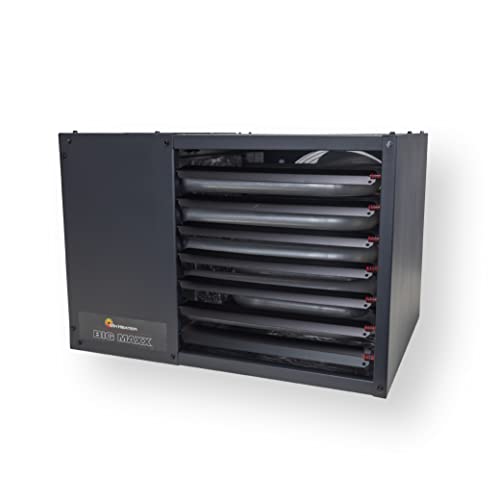
Mr. Heater Big Maxx MHU80NG 80,000 BTU Natural Gas
Call 888-896-7031 for Free Local HVAC Quotes – Compare and Save Today!
Brand: Mr. Heater
Power & Coverage: The Big Maxx is a high-output unit heater rated at 80,000 BTU with coverage suitable for large garages or workspaces (the listing references up to ~2000 sq. ft.). It is designed as a utility/heavy-duty heater for spaces needing strong heat output.
Mounting & Accessories: Includes two angle brackets for mounting and a liquid propane conversion kit (if needed). The product requires electrical power for the fan (120V) and specifies minimum clearances from the floor. Thermostat and venting arrangements are considerations for correct installation.
Use Case: Best for larger enclosed or semi-enclosed spaces where forced-air distribution and high BTU output are required. This model is a category 1/3 venting-capable heater and typically mounted high on walls or ceilings using appropriate brackets or supports.
Reznor UDXC-45 45,000 BTU Natural Gas Ceiling Heater

Brand: Reznor (1HVAC)
Design & Efficiency: The UDXC-45 is a forced-air natural gas heater with a reported 83% thermal efficiency and two heating output levels for different weather conditions. It is designed as an indoor-rated unit that can serve as a ceiling-mounted gas heater for garages, workshops, or commercial spaces.
Mounting: The unit includes suspension points and is commonly used as a ceiling mount hanging furnace or gas wall heater depending on mounting hardware. Mounting brackets and venting accessories may be sold separately.
Application Notes: While powerful and efficient for enclosed or semi-enclosed areas, confirm suitability for outdoor-exposed installations since this model is primarily intended for indoor applications with ceiling mounting. Follow manufacturer instructions for venting and clearances.
GasOne PH-8000 50,000 BTU Propane Outdoor Patio Heater

Brand: Gas One
Fuel Type & Mobility: A propane-powered outdoor patio heater with a 50,000 BTU rating. Unlike the other units listed, this model is designed to be portable and used as a freestanding outdoor heater on patios, terraces, and yards.
Use & Ambience: Provides radiant heat aimed at seating areas to create a warm outdoor ambiance. Portability makes it flexible for event use or repositioning across outdoor spaces where a hardwired or hard-piped natural gas ceiling heater is not practical.
Considerations: As a propane unit, it requires safe fuel handling and clearance management. It’s less suited as a permanent ceiling installation but valuable as a non-plumbed, high-output outdoor option.
Buying Guide: How To Choose An Outdoor Ceiling Gas Heater
Selecting the best outdoor ceiling gas heater requires balancing heat output, installation, fuel type, and environmental conditions. The following key considerations will help narrow options.
Heat Output And Coverage (BTU)
BTU rating indicates the potential heat output. Higher BTUs cover larger spaces but require proper venting and mounting clearances. Estimate the square footage and the degree of enclosure: semi-enclosed patios need less BTU than fully open outdoor areas due to heat loss.
Radiant vs Forced-Air Heating
- Radiant Infrared: Warms people and surfaces directly, efficient for open or windy environments where heating the air is impractical.
- Forced-Air Unit Heaters: Move warm air into a space, useful for enclosed garages or workshops where air retention is better and distribution via fan is beneficial.
Fuel Type: Natural Gas vs Propane
Natural Gas: Ideal for permanent ceiling installations with existing gas lines. It offers continuous fuel supply and lower operating fuss for fixed setups.
Propane: Portable and flexible; useful where plumbing a gas line is impractical. Requires cylinder changes and safe outdoor storage.
Mounting And Clearances
Ceiling-mounted heaters must meet manufacturer-specified clearances on all sides. For safety and performance, confirm ceiling height, clearance from combustible materials, and whether suspension hardware or brackets are needed.
Weather Resistance And Location
Outdoor-rated units or those specified for covered patios will include wind, rain, or corrosion resistance. For fully exposed outdoor installations, choose heaters designed for exterior use or use weather-protective housings per manufacturer guidelines.
Installation And Venting Requirements
Natural gas ceiling heaters often require certified gas piping and possibly venting arrangements. Forced-air gas heaters may be category 1/3 venting capable—verify local codes and hire licensed installers when required.
Energy Efficiency And Controls
Look for multi-stage outputs, thermostatic control compatibility, and high thermal efficiency ratings. Infrared units typically provide direct heat with less wasted energy when heating people rather than the entire air volume.
Noise And Air Movement
Forced-air models have fans that produce noise and airflow; evaluate whether this is acceptable for the intended space. Infrared radiant models are typically quieter because they lack forced-air fans.
Appearance And Commercial Considerations
For visible patio installations, design and finish matter. Stainless or brushed finishes, concealed piping, or integrated aesthetic housings may be important for commercial patios or residential decks with design priorities.
Safety Features
Confirm pilot/shutoff safety features, tip-over protection for portable models, flame sensors, and compliance with relevant certifications or IP ratings for outdoor use.
Maintenance And Serviceability
Consider access for routine maintenance, replacement parts availability (burner, ignitor, glass elements), and whether the manufacturer provides commercial support or service networks.
Comparison Perspectives
- Small Covered Patio: Consider a radiant infrared ceiling heater with wind resistance (e.g., Bromic) for direct warmth and aesthetic integration.
- Large Garage or Workshop: A forced-air unit heater like the Big Maxx or Reznor provides distributed heat and higher total BTU capacity.
- Flexible, Non-Permanently Plumbed Spaces: Portable propane patio heaters (GasOne) offer mobility without permanent gas lines.
- High Mount Ceilings (12–15 ft): Use models specified for those heights—infrared units designed for taller clearances are more effective at delivering heat to occupants.
When evaluating models, match the heater’s rated application (indoor, indoor/outdoor, or outdoor only), required clearances, fuel type, and whether the heater’s heating method aligns with the space’s exposure and use patterns. Always consult manufacturer documentation and local building codes prior to installation.
Tips for Getting the Best HVAC Prices
- Prioritize Quality Over Cost
The most critical factor in any HVAC project is the quality of the installation. Don’t compromise on contractor expertise just to save money. - Check for Rebates
Always research current rebates and incentives — they can significantly reduce your overall cost. - Compare Multiple Quotes
Request at least three estimates before making your choice. You can click here to get three free quotes from local professionals. These quotes include available rebates and tax credits and automatically exclude unqualified contractors. - Negotiate Smartly
Once you've chosen a contractor, use the proven strategies from our guide — How Homeowners Can Negotiate with HVAC Dealers — to get the best possible final price.