
Choosing the best hot water heater depends on where you need hot water, how much flow you require, power source, and installation constraints. The table below summarizes the five selected Amazon models covered in this guide to help you compare capacity, power type, and intended use at a glance.
| Product | Type | Capacity / Flow | Power Source |
|---|---|---|---|
| Nessxa 1.8 Gallon Mini Tank | Mini Tank Point-Of-Use | 1.8 Gallons | Electric (110V/1500W) |
| Bosch Tronic 3000 T 2.5-Gallon | Mini Tank Point-Of-Use | 2.5 Gallons | Electric (120V) |
| 120V 3000W Tankless Electric | Point-Of-Use Tankless | Low-flow (0.3–0.5 GPM performance spec) | Electric (110V/3000W) |
| VEVOR 10 Gallon Tank | Small Storage Tank | 10 Gallons | Electric (1600W) |
| VELPAX Propane Tankless | Gas Tankless | Up To 4.74 GPM | Propane (68,000 BTU/hr) |
Content Navigation
- Nessxa 1.8 Gallon Mini Tank Water Heater
- Bosch Tronic 3000 T 2.5-Gallon Mini-Tank
- 3000W Tankless Electric Under Sink Heater
- VEVOR 10 Gallon Electric Tank Water Heater
- VELPAX Propane Tankless Water Heater
- Buying Guide: How To Choose The Right Hot Water Heater
- 1. Point-Of-Use Versus Whole-Home Needs
- 2. Capacity And Flow Rate
- 3. Power Source And Electrical Requirements
- 4. Installation Constraints
- 5. Recovery Time And Energy Efficiency
- 6. Safety Features And Materials
- 7. Controls And User Interface
- 8. Intended Fixture Use And Flow Matching
- 9. Maintenance And Longevity
- 10. Environmental And Cost Considerations
- Comparison Perspectives: Quick Decision Framework
Nessxa 1.8 Gallon Mini Tank Water Heater

This mini tank point-of-use heater stores hot water for immediate delivery at a sink or small fixture. It is designed for under-sink installation and can be wall- or floor-mounted for compact spaces.
- Instant Hot Water — 24-hour ready hot water via a compact internal storage tank, reducing wait time and water waste.
- Temperature Range — Adjustable thermostat from 77°F to 176°F (25°C–80°C) for tailored output.
- Energy Saving Standby — Enters standby at inlet temperatures below 77°F to minimize power draw.
- Safety & Build — External ABS housing, stainless internal tank, and separation of water and electrical components.
Suitable For: Point-of-use applications like kitchen or bathroom sinks where short bursts of hot water are needed. Not intended for showers or high-flow fixtures.
Bosch Tronic 3000 T 2.5-Gallon Mini-Tank
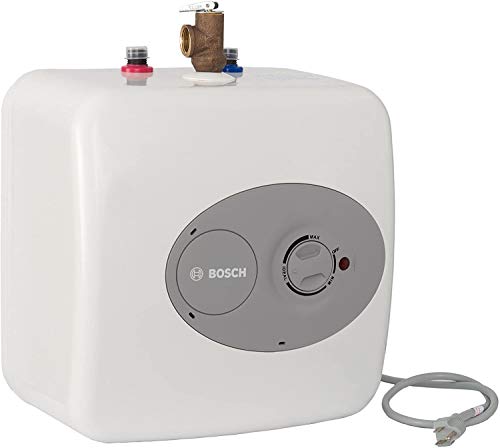
The Bosch Tronic 3000 T is a widely used 2.5-gallon electric mini-tank designed for point-of-use convenience with a focus on reliability and thermal efficiency.
Call 888-896-7031 for Free Local HVAC Quotes – Compare and Save Today!
- Point-Of-Use Capacity — 2.5-gallon storage delivers immediate hot water at the fixture.
- High Thermal Efficiency — Listed thermal efficiency of 98% for reduced heat loss.
- Durable Construction — Premium glass-lined interior for corrosion resistance and long service life.
- Easy Installation — Plugs into a 120V outlet (12A) for straightforward independent installation.
Suitable For: Under-sink or small utility applications where a slightly larger buffer than 1–2 gallon units is helpful. Good for handwashing and dish rinsing tasks.
3000W Tankless Electric Under Sink Heater

This 110V tankless electric heater is an on-demand point-of-use unit that heats water instantly with a compact footprint and digital display.
- Fast Temperature Rise — 3000W output raises water temperature quickly at very low flows (performance specs note temperature rise at 0.3–0.5 GPM).
- Digital Controls — LED display with selectable Fahrenheit/Celsius and temperature settings.
- Safety Protections — Water/electricity isolation, IPX4 waterproofing, leakage and dry-boil protection, automatic shutdown on overheating.
- Flow Sensitivity — Outlet temperature varies with flow rate; not suitable for showers that require higher GPM.
Suitable For: Single faucet or lavatory use where small volumes of very hot water are required instantly. Best used where flow requirements are below typical shower demands.
VEVOR 10 Gallon Electric Tank Water Heater

The VEVOR unit is a small storage tank heater suitable for multiple short uses or light household tasks. It bridges the gap between mini point-of-use tanks and full-size storage water heaters.
Call 888-896-7031 for Free Local HVAC Quotes – Compare and Save Today!
- 10-Gallon Capacity — Larger buffer for repeated uses like dishwashing or laundry in small settings.
- Immersion Heating Element — Continuous heating capability and quick recovery for steady delivery.
- Temperature Control — Rotary control and LED display with max heating up to about 167°F (75°C).
- Safety Coating — Enamel glass coating to resist corrosion and enhance safety.
Suitable For: Small apartments, cabins, or multi-fixture light-duty uses where a greater hot water buffer reduces cycling and extends usable hot water between refills.
VELPAX Propane Tankless Water Heater

This propane-powered tankless unit supplies on-demand hot water with a higher flow rate suitable for multiple fixtures or a shower, and is built for indoor use with appropriate venting.
- Higher Flow Capability — Up to 4.74 GPM for simultaneous use at 2–3 points of use depending on inlet temperature.
- Propane Fuel — 68,000 BTU/hr output for rapid heating and strong temperature rise performance.
- Safety Features — Flame failure device, anti-freeze and overheating protection, and digital temperature display.
- Durable Construction — Stainless steel body and oxygen-free copper components to resist corrosion and reduce heat loss.
Suitable For: Homes or cabins without reliable electric capacity that need higher flow rates, or for applications where tankless gas heating provides better performance for showers and multiple simultaneous uses.
Buying Guide: How To Choose The Right Hot Water Heater
Selecting a hot water heater requires matching device capabilities to the installation location, expected demand, and available utilities. Below are key considerations to make an informed decision.
1. Point-Of-Use Versus Whole-Home Needs
Point-of-use heaters (mini-tanks and low-capacity tankless) are ideal for single sinks, small kitchens, or utility closets. They reduce wait time and water waste at a single fixture. Whole-home demands require higher-capacity storage tanks or high-BTU tankless gas units to sustain showers, multiple simultaneous taps, or appliances.
2. Capacity And Flow Rate
For storage tanks, use gallon capacity to estimate run-time between reheats. A 1–2.5 gallon mini-tank suits a single sink. A 10-gallon model supports multiple short uses. For tankless, compare GPM (gallons per minute) and temperature rise at expected inlet temperatures—higher GPM and BTU/wattage support showers and multiple outlets.
3. Power Source And Electrical Requirements
Electric point-of-use units often plug into 110–120V circuits at 1500–3000W. Check circuit breaker compatibility and whether hardwiring is required. Tankless electric models at 120V are suited for low-flow; higher wattage models require 240V and dedicated breakers. Propane or natural gas tankless units deliver higher output but require fuel supply and proper venting.
4. Installation Constraints
Measure available space for wall or under-sink mounting. Verify plumbing connections (NPT or compression fittings) and electrical outlet placement. Consider venting requirements for gas heaters and clearance for service access.
5. Recovery Time And Energy Efficiency
Storage tanks have recovery cycles—larger tanks provide longer continuous supply before reheating. Tankless units provide continuous hot water but their output temperature depends on water flow and inlet temperature. Look for thermal efficiency indicators and standby energy management in mini-tanks to reduce idle power use.
6. Safety Features And Materials
Check for overheat protection, leak detection, dry-boil safeguards, and pressure/temperature relief (T&P) valves. Durable internal materials (glass-lined or stainless steel tanks) reduce corrosion. For gas units, flame failure cutoffs and anti-freeze protections are important in cold environments.
7. Controls And User Interface
Digital displays and adjustable thermostats provide more precise temperature control. Simple knob controls offer basic adjustability. Consider units with memory or constant-temperature functions if consistent output is important.
8. Intended Fixture Use And Flow Matching
Match the heater to fixture flow: faucets and lavatories typically operate at 0.5–1.5 GPM; showers usually require 1.8–2.5 GPM or more. A tankless 110–120V unit may meet faucets but not showers. Propane or higher-wattage electric tankless units are better for showers.
9. Maintenance And Longevity
Periodic flushing or descaling is recommended for hard water environments, especially for tankless heat exchangers. Glass-lined and enamel-coated tanks provide corrosion resistance. Consider warranty terms and ease of replacement parts.
10. Environmental And Cost Considerations
Tankless systems typically reduce energy consumption by heating on demand versus keeping a tank hot. Mini-tanks with good insulation and standby modes can also be efficient for localized use. Consider fuel cost and availability—electricity versus propane or natural gas—when evaluating long-term operating costs.
Tips for Getting the Best HVAC Prices
- Prioritize Quality Over Cost
The most critical factor in any HVAC project is the quality of the installation. Don’t compromise on contractor expertise just to save money. - Check for Rebates
Always research current rebates and incentives — they can significantly reduce your overall cost. - Compare Multiple Quotes
Request at least three estimates before making your choice. You can click here to get three free quotes from local professionals. These quotes include available rebates and tax credits and automatically exclude unqualified contractors. - Negotiate Smartly
Once you've chosen a contractor, use the proven strategies from our guide — How Homeowners Can Negotiate with HVAC Dealers — to get the best possible final price.
Comparison Perspectives: Quick Decision Framework
- If You Need Immediate Sink Hot Water With Minimal Fuss: Choose a 1.8–2.5 gallon mini-tank (Nessxa or Bosch) for under-sink installation and simple plug-in setups.
- If You Want Continuous Low-Flow Hot Water Without Storage: Choose a point-of-use tankless electric with sufficient wattage for the fixture; verify flow-temperature specs carefully.
- If You Need Multiple Uses Or Light Whole-Home Support: Consider a 10-gallon storage tank like VEVOR for larger buffer capacity and repeated use without long recovery pauses.
- If You Require Shower Capability Or Multiple Simultaneous Fixtures: Select a gas/propane tankless unit with higher GPM and BTU output (like VELPAX) and ensure proper venting and fuel supply.
- If Installation Simplicity Is A Priority: Look for plug-in models with standard 120V cords and minimal hardwiring, but confirm circuit capacity first.