
Sunrooms need heaters that handle large glass areas, variable insulation, and daytime solar gains. Below is a concise comparison of reliable options for heating a sunroom, including portable electric heaters, a vent-free natural gas wall heater, and a reflective window film to control solar heat.
| Product | Type | Best For |
|---|---|---|
| Dreo Space Heater (Gold) | Electric Ceramic Tower | Large Rooms, Quiet Operation |
| Aikoper PTC Space Heater | Portable PTC Ceramic | Efficient Small-To-Medium Rooms |
| BLACK+DECKER Portable Heater | Compact Desktop Heater | Spot Heating, Desks & Small Areas |
| Mr. Heater Vent Free Natural Gas | Wall-Mount Gas Heater | Whole-Sunroom Heat, High Output |
| STATINT Reflective Window Film | Window Film / Solar Control | Reduce Solar Heat Gain / Heat Retention |
Content Navigation
- Dreo 25″ Electric Space Heater
- Aikoper 1500W PTC Space Heater
- BLACK+DECKER Portable Space Heater
- Mr. Heater 30,000 BTU Vent Free Wall Heater
- STATINT Reflective Window Film
- Buying Guide: Choosing The Right Heater For A Sunroom
- 1. Determine Heating Load And Room Size
- 2. Fuel Type: Electric vs Gas
- 3. Heat Distribution And Coverage
- 4. Safety Features
- 5. Noise Level And Comfort
- 6. Energy Efficiency And Controls
- 7. Window Treatments And Passive Options
- 8. Installation, Ventilation, And Code Compliance
- 9. Maintenance And Lifespan
- 10. Comparison Perspectives
Dreo 25″ Electric Space Heater

Type: 25″ Ceramic Tower Heater. This Dreo model emphasizes fast airflow and extended range with a hyperamics thermal design and extended impeller to move warm air up to an increased distance.
- Heat Delivery: 11.5 ft/s fast heat and extended range for heating larger open areas such as sunrooms.
- Safety: V0 flame retardant material, reinforced plug, ETL-certified overheat and tip-over protections, plus child lock.
- Noisy Level: Design reduces noise to as low as 32dB, suitable for quiet daytime lounging.
This tower-format heater is built for continuous indoor use and broader heat distribution compared with small portable units. The safety features are geared toward family settings. Consider room layout and window placement to get the most uniform heat spread from the tower design.
Aikoper 1500W PTC Space Heater
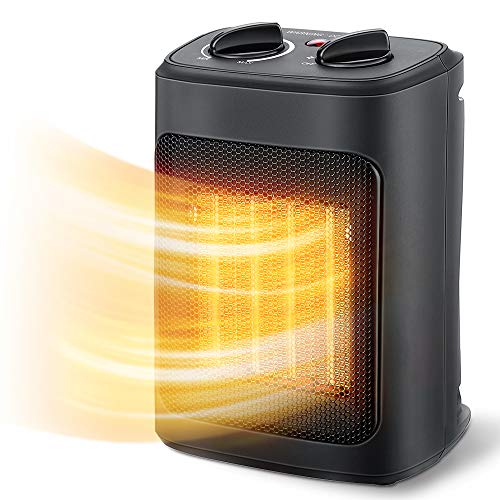
Type: PTC Ceramic Portable Heater. Designed for quick warm-up with an efficient fan to distribute heat evenly across small to medium spaces.
Call 888-896-7031 for Free Local HVAC Quotes – Compare and Save Today!
- Heating Technology: PTC ceramic element for rapid, stable heat and longer element life.
- Controls: Adjustable thermostat with 3 heat settings plus a fan-only mode for seasonal use.
- Energy: Marketed as energy-efficient for targeted zone heating to reduce central heating use.
The Aikoper unit is appropriate when you want a compact, responsive heater to supplement a sunroom’s heating. It works best in better-insulated sunrooms or for localized heating near seating areas. Evaluate the wattage and available electrical circuits when planning placement.
BLACK+DECKER Portable Space Heater

Type: Compact Desktop Heater with Carry Handle. Lightweight and portable for spot heating applications and close-proximity warmth.
- Portability: Small footprint and carry handle, easy to move between seating areas in a sunroom.
- Settings: Low (750W), High (1500W), and Fan-only mode to suit different needs.
- Design: Intended for personal use at desks or near chairs rather than whole-room heating.
This model is useful for targeted comfort where full-space heating is unnecessary or when supplemental warmth is desired near occupants. Use with caution in humid or wet sunroom areas—keep away from direct moisture and maintain clearance from window coverings.
Mr. Heater 30,000 BTU Vent Free Wall Heater
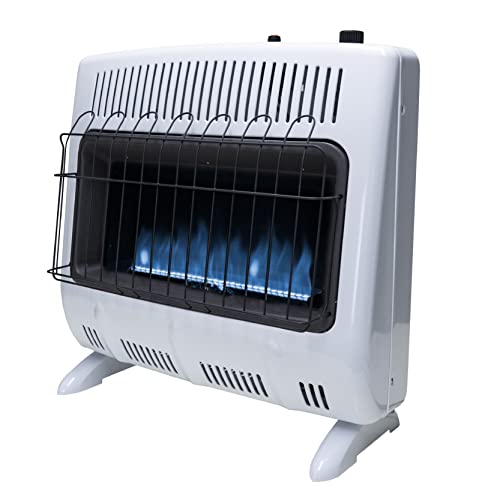
Type: Vent-Free Natural Gas Wall Heater. High-output convection heater intended for large sunrooms, additions, and poorly insulated spaces.
Call 888-896-7031 for Free Local HVAC Quotes – Compare and Save Today!
- Output: Up to 30,000 BTU, suitable for areas up to approximately 1,000 sq. ft., depending on insulation and fenestration.
- Controls: Built-in thermostat and electric ignition; consistent blue-flame convection heat distribution.
- Fuel & Use: Natural gas operation requires proper ventilation considerations and adherence to local codes for vent-free appliances.
This option provides whole-room heating capacity not achievable with small electric units. Considerations include fuel availability, installation requirements, and building codes. Vent-free heaters are effective in many sunrooms but require attention to combustion byproduct management and manufacturer clearance guidelines.
STATINT Reflective Window Film
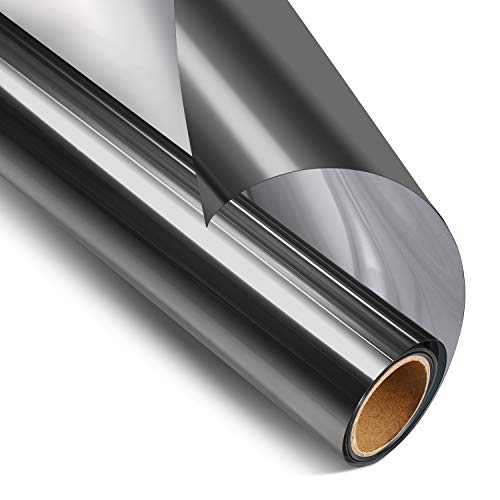
Type: Mirror-Reflective Window Film For Heat Control. Not a heater, but a passive thermal control product that reduces solar heat gain and retains winter heat.
- Solar Control: Reflects most solar rays, blocks 90% UV and 82% infrared rays to reduce glare and fading.
- Energy Impact: Helps retain heat in winter and reduce cooling loads in summer, balancing daytime solar dynamics in sunrooms.
- Privacy: One-way daytime privacy due to mirror-like exterior appearance; visibility changes with interior lighting.
Window film can improve a sunroom’s thermal performance and reduce sudden temperature swings caused by direct sun. It pairs well with heaters by reducing unwanted heat loss at night and limiting solar overheating during the day. Note the reversal of mirror effect at night—use curtains or blinds for full privacy after dark.
Buying Guide: Choosing The Right Heater For A Sunroom
Selecting the right heater for a sunroom depends on several variables. Use this buying guide to compare performance, safety, and suitability for glass-heavy spaces.
1. Determine Heating Load And Room Size
Calculate the sunroom’s volume and consider insulation, number of windows, and orientation. Higher glass area increases heat loss at night and heat gain during the day. Use BTU estimates or wattage rules of thumb: roughly 10 watts per square foot for moderate conditions, adjusting upward for poorly insulated sunrooms.
2. Fuel Type: Electric vs Gas
- Electric Heaters: Easy to install, portable, and safe for condos. Ideal for supplemental zone heating. Look for PTC ceramic or tower designs for efficiency and airflow.
- Natural Gas (Vent-Free): High output and lower operating cost in some regions. Requires gas hookup and adherence to local codes. Consider combustion product awareness and ensure proper manufacturer clearance.
3. Heat Distribution And Coverage
Tower and wall-mounted convection units distribute heat differently than fan-forced or radiant models. For even warmth in larger sunrooms, choose units with extended airflow or wall-mounted convection heaters. For spot heating, compact fan or ceramic heaters suffice.
4. Safety Features
- Tip-Over Protection: Essential for portable units in multi-use rooms.
- Overheat Shutoff: Prevents component damage and reduces fire risk.
- Child Lock And Flame-Retardant Materials: Benefit households with kids or pets.
5. Noise Level And Comfort
Consider sound if the sunroom doubles as a reading or TV space. Look for models with low decibel ratings or silent convection operation for minimal disturbance.
6. Energy Efficiency And Controls
- Thermostat Control: Maintains steady temperature and reduces cycling losses.
- Multiple Heat Modes: Allow seasonal use (fan-only mode) and economy settings.
- Smart Or Programmable Options: Some heaters offer timers or smart controls to match occupancy patterns.
7. Window Treatments And Passive Options
Addressing thermal loss through windows is critical. Reflective films, blackout films, or insulated curtains reduce heat exchange and complement active heaters. Combining passive measures with heating reduces runtime and improves comfort consistency.
8. Installation, Ventilation, And Code Compliance
Gas appliances, including vent-free units, may be restricted by local regulations. Confirm installation requirements, combustion air needs, and CO/safety detector placement. For electric heaters, ensure circuits can support wattage demands and maintain manufacturer-recommended clearances.
9. Maintenance And Lifespan
Look for units with accessible filters, durable heating elements (PTC ceramics resist burnout), and clear service instructions. Window films and curtains require occasional cleaning but provide long-term passive benefits.
10. Comparison Perspectives
- Whole Sunroom Heating: High-BTU gas wall heater or multiple strategically placed tower heaters.
- Supplemental Spot Heating: Compact PTC or desktop electric heaters near seating areas.
- Energy-Savvy Strategy: Combine reflective film or thermal curtains with programmable electric heaters to limit runtime.
Use these considerations to balance upfront installation complexity, ongoing operating costs, and the specific thermal behavior of your sunroom. Matching equipment to room size, insulation, and occupant use patterns yields the most effective, efficient results.
Tips for Getting the Best HVAC Prices
- Prioritize Quality Over Cost
The most critical factor in any HVAC project is the quality of the installation. Don’t compromise on contractor expertise just to save money. - Check for Rebates
Always research current rebates and incentives — they can significantly reduce your overall cost. - Compare Multiple Quotes
Request at least three estimates before making your choice. You can click here to get three free quotes from local professionals. These quotes include available rebates and tax credits and automatically exclude unqualified contractors. - Negotiate Smartly
Once you've chosen a contractor, use the proven strategies from our guide — How Homeowners Can Negotiate with HVAC Dealers — to get the best possible final price.