
Wall heaters are common retrofit options for midcentury and 1970s homes where central heat may be limited. This guide compares popular wall-mounted electric and infrared units suitable for those installations, emphasizing capacity, mounting, thermostat control, and modern smart features.
| Product | Type / Key Feature |
|---|---|
| Heat Storm HS-1500-PHX-WIFI | Infrared, Wi‑Fi Control |
| Cadet Com‑Pak CSC202TW | Electric Fan‑Forced, 240/208V, 2000/1500W |
| Cadet Com‑Pak CSC151TW | Electric Fan‑Forced, 120V, 1500W |
| Dreo Smart Wall Heater WH719S | PTC Ceramic, 120° Oscillation, Smart |
| Broan‑NuTone 198 | High Capacity Wall Heater, 4000/2000W Convertible |
Content Navigation
- Heat Storm HS-1500-PHX-WIFI Infrared Heater, Wifi Wall Mounted
- Cadet Com-Pak Electric Wall Heater CSC202TW With Thermostat
- Cadet Com-Pak CSC151TW Electric Wall Heater With Thermostat
- Dreo Smart Wall Heater WH719S, Electric Space Heater for Bedroom 1500W
- Broan-NuTone 198 High Capacity Wall Heater
- Buying Guide: Choosing A Wall Heater For A 1970s Home
Heat Storm HS-1500-PHX-WIFI Infrared Heater, Wifi Wall Mounted

The Heat Storm HS‑1500 is a wall‑mounted infrared unit designed for targeted zone heating. The listed features highlight Wi‑Fi control for remote temperature management, a touch screen with digital thermostat, and a tip‑over safety shutoff. This model is marketed as a space‑saving option for bedrooms, kitchens, and offices.
Infrared heating typically provides direct radiant warmth to objects and occupants, which can feel efficient in smaller rooms or rooms with high ceilings common in 1970s homes. The Wi‑Fi and remote functionality allow scheduling and integration with modern home control routines, while the tip‑over safety and programmable thermostat address basic safety and energy control requirements.
Cadet Com-Pak Electric Wall Heater CSC202TW With Thermostat
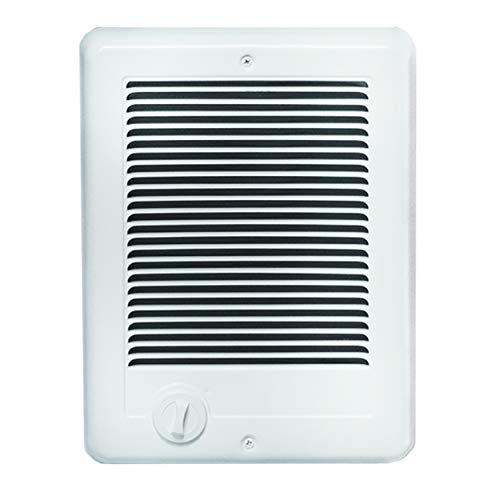
The Cadet Com‑Pak CSC202TW is a fan‑forced electric wall heater rated for 2000/1500 watts at 240/208 volts and claims to heat areas up to 200 sq. ft. quickly. Key features include a fast‑heating coil element, an efficient and quiet fan to distribute air, and built‑in safety features that shut the unit off if temperatures exceed normal operating ranges.
Call 888-896-7031 for Free Local HVAC Quotes – Compare and Save Today!
Fan‑forced units like this model provide convective heat and are effective at warming room air relatively fast. The design suits installations where supply voltage is 240/208V; some 1970s residences may already have compatible wiring or can accommodate it during retrofits. The integrated thermostat and safety shutoff are relevant for maintaining comfort and protecting older wall cavities during prolonged operation.
Cadet Com-Pak CSC151TW Electric Wall Heater With Thermostat

The Cadet CSC151TW is a 120V, 1500W version of the Com‑Pak series, intended for typical single‑phase household circuits. The product listing emphasizes the complete unit with thermostat and suitability for standard residential installations.
This lower‑wattage model is applicable where 240V wiring is not available or when a less powerful zone heater is desirable. The integrated thermostat simplifies temperature control and can replace older in‑wall heaters while using similar wall‑can dimensions, which may reduce wall repairs when updating vintage systems.
Dreo Smart Wall Heater WH719S, Electric Space Heater for Bedroom 1500W

The Dreo WH719S is a smart PTC ceramic wall heater with 120° vertical oscillation designed to distribute warm air evenly. Features include app and voice control compatibility with Alexa and Google Home, a precise thermostat range (41–95°F with 1°F accuracy), a 24‑hour timer, and remote control.
Call 888-896-7031 for Free Local HVAC Quotes – Compare and Save Today!
PTC ceramic elements provide steady heat with inherent safety benefits and stable temperature control. The wide oscillation and smart controls represent modern conveniences that can be useful in retrofitting older homes where preserving aesthetics is important but adding modern control is desired. The precise temperature control and scheduling can support energy management in occupied and unoccupied periods.
Broan-NuTone 198 High Capacity Wall Heater
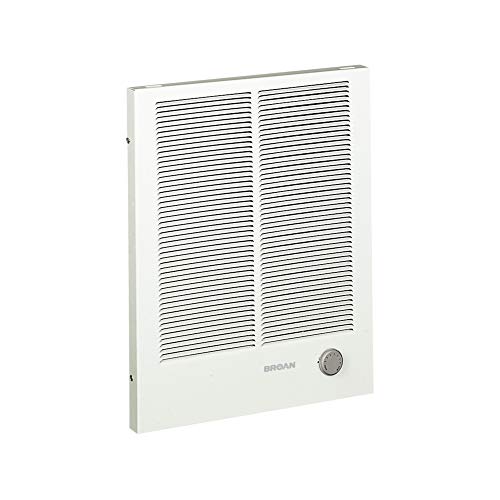
The Broan‑NuTone 198 is a high‑capacity wall heater capable of operating at 4000W on 240VAC or converting to 2000W at 120V. It features an 18‑gauge steel painted grille with downflow louvers to direct heat toward the floor and a front‑mounted adjustable thermostat.
This model is suitable for owners needing substantial heat output in rooms with high heat loss, a common condition in older 1970s constructions with single‑pane windows or limited insulation. The heavy‑duty grille and simple thermostat reflect the robust, utilitarian design often paired with high‑capacity applications and retrofits where maximum heat is necessary.
Buying Guide: Choosing A Wall Heater For A 1970s Home
This buying guide covers electrical compatibility, heat distribution, installation, controls, safety, and aesthetics—key factors for retrofitting wall heaters into 1970s homes.
Electrical Compatibility And Capacity
- Voltage And Circuit Availability: Verify whether the room has 120V or 240V circuits. Models like the Cadet CSC151TW operate at 120V/1500W, while CSC202TW requires 208/240V and delivers higher wattage.
- Wattage And Room Size: Estimate the room area and heat loss (window area, insulation). High‑capacity units like the Broan‑NuTone 198 deliver more heat for poorly insulated rooms; 1500–2000W units suit smaller areas or well‑insulated rooms.
Heat Delivery Method
- Fan‑Forced (Convective): Models from Cadet use a fan to circulate warm air. They heat air quickly and distribute heat throughout a room but may produce slight noise.
- Radiant/Infrared: Infrared units such as the Heat Storm deliver radiant heat to occupants and objects directly, which can feel efficient for targeted heating but warms air more slowly.
- PTC Ceramic: Dreo’s PTC units combine ceramic heating with controlled airflow, offering steady output, quick response, and often built‑in safety characteristics.
Controls, Convenience, And Smart Features
- Built‑In Thermostat: Integral thermostats provide basic temperature regulation and reduce the need for external controls. Digital thermostats can be more precise than mechanical ones.
- Smart And Remote Control: Wi‑Fi or app‑enabled units (Heat Storm, Dreo) allow scheduling, remote management, and voice integration—useful when modern convenience is a priority.
- Oscillation And Louvers: Oscillation (Dreo) or adjustable louvers (Broan) change heat direction, improving distribution in rooms with unusual layouts common in older homes.
Installation And Retrofit Considerations
- Wall Can Compatibility: Many Cadet series units share mounting dimensions with older models, minimizing wall repairs during replacement.
- Clearances And Wall Cavity: Confirm required clearances from combustible materials and ensure the wall cavity can accommodate the unit and wiring, especially in retrofits.
- Professional Wiring: High‑wattage units or conversions between 120V and 240V may require an electrician to install proper breakers and wiring.
Safety And Reliability
- Thermal Safeguards: Choose units with thermal shutoff protection to reduce fire risk if internal temperatures exceed safe levels.
- Tip‑Over Or Overheat Protections: For freestanding or wall units with movable elements, tip‑over and overheat features add layers of safety.
- Noise Levels: Fan motors create some noise; check product specs or user feedback if quiet operation is required for bedrooms or living spaces.
Aesthetic And Historical Fit
- Grille Style And Finish: For 1970s homes where visual continuity matters, opt for units with painted grilles or low‑profile designs that blend with original trim.
- Minimal Wall Repair: Units that match standard wall can sizes reduce patchwork and preserve original wall finishes when retrofitting.
Comparison Perspectives
- Performance vs. Wiring: Higher output models (Broan 198, Cadet 2000W) require 240V circuits but deliver strong heat; 120V 1500W units (Cadet CSC151TW, Dreo WH719S) fit standard circuits but offer less peak output.
- Modern Controls vs. Simplicity: Smart units (Heat Storm, Dreo) provide scheduling and remote management but add network dependencies; simple models (Cadet, Broan) prioritize straightforward mechanical or digital thermostats.
- Radiant vs. Convective Heat: Infrared models provide direct radiant warmth useful for focused comfort, while fan‑forced and PTC units heat room air more uniformly—choose based on occupant preference and room characteristics.
When selecting a wall heater for a 1970s home, confirm electrical compatibility, consider heat method and distribution needs, prioritize safety features, and balance modern convenience with historical aesthetics. Proper installation and sizing will ensure the unit performs effectively within the unique constraints of midcentury construction.
Tips for Getting the Best HVAC Prices
- Prioritize Quality Over Cost
The most critical factor in any HVAC project is the quality of the installation. Don’t compromise on contractor expertise just to save money. - Check for Rebates
Always research current rebates and incentives — they can significantly reduce your overall cost. - Compare Multiple Quotes
Request at least three estimates before making your choice. You can click here to get three free quotes from local professionals. These quotes include available rebates and tax credits and automatically exclude unqualified contractors. - Negotiate Smartly
Once you've chosen a contractor, use the proven strategies from our guide — How Homeowners Can Negotiate with HVAC Dealers — to get the best possible final price.