
Find compact, efficient wall-mounted heaters suitable for bedrooms, offices, and small studios. Below is a quick comparison of top wall heater options selected for performance, controls, and installation flexibility.
| Product | Type / Key Feature | Voltage / Watts |
|---|---|---|
| Heat Storm HS-1500-PHX-WIFI Infrared Heater | Wi‑Fi Infrared, Wall Mounted | 1500W (model) |
| Cadet Com-Pak CSC202TW | Electric Wall Heater With Thermostat, Fan | 240/208V, 2000/1500W |
| Cadet Com-Pak CSC151TW | Electric Wall Heater With Thermostat | 120V, 1500W |
| Dreo Smart Wall Heater WH719S | Smart PTC Heater, Wide Oscillation, App/Alexa | 1500W (model) |
| Cadet Energy Plus CEC163TW | Digital Thermostat Built-In, Multi-Voltage Options | 240/208/120V, multiple wattages |
Heat Storm HS-1500-PHX-WIFI Infrared Heater, Wifi Wall Mounted

Type: Infrared wall-mounted heater with Wi‑Fi control.
Key Features: (Wall Mounted Heater Only.) Wi‑Fi enabled makes it possible for you to control the temperature from your phone!, Tip‑Over safety shut off, Touch screen with digital thermostat, and remote included., Space saving wall mount design means you don’t lose floor space. Perfect for bedrooms, kitchens, offices and more
This model uses infrared heating to deliver targeted warmth without occupying floor space. Built‑in Wi‑Fi and a touch screen provide remote scheduling and temperature control. Safety features include tip‑over shutoff and a digital thermostat for maintaining setpoints. The design favors installation where a compact, wall‑mounted infrared source is preferred over blower‑based units.
Cadet Com-Pak Electric Wall Heater Complete Unit With Thermostat (CSC202TW)
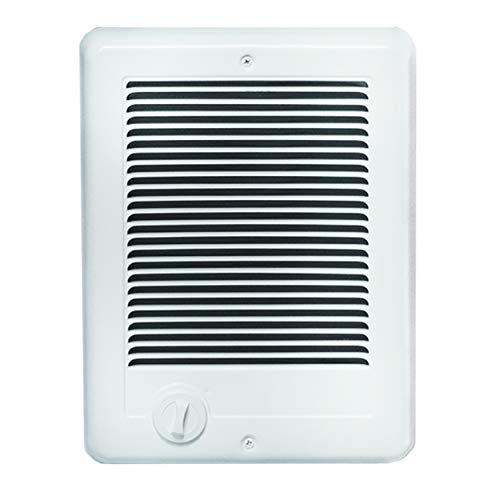
Call 888-896-7031 for Free Local HVAC Quotes – Compare and Save Today!
Type: Fan‑assisted electric wall heater with integrated thermostat.
Key Features: FAST HEATING coil element warms an area up to 200 sq. ft. in a hurry. Ceiling installation is possible with models that are 1,500 watts or less. These models work best at elevations under 10,000 feet, EFFICIENT AND QUIET fan spreads the warmth all around, REST SAFE AND EASY – safety features turn heater off if normal operating temperatures are exceeded
The CSC202TW is a higher‑output model suitable for larger small rooms where quick air circulation is needed. A coil element combined with a fan reduces warm‑up time and distributes heat evenly. Built‑in safety cutouts protect against overheating. This unit is intended for hardwired installation and is commonly chosen where faster convection heating is preferred to radiant heat.
Cadet Com-Pak Electric Wall Heater Complete Unit with Thermostat (CSC151TW)

Type: 120V wall heater with built‑in thermostat.
Key Features: Cadet Com-Pak Electric Wall Heater Complete Unit with Thermostat (Model: CSC151TW, Part: 67509), 5120 BTU, 120 Volt, 1500 Watt, White
Call 888-896-7031 for Free Local HVAC Quotes – Compare and Save Today!
This model is the 120V variant aimed at typical home circuits for straightforward replacement or new installs without running 240V wiring. It uses a thermostat and coil element to provide steady convection heat. The compact footprint and standard power rating make it a common choice for bedrooms or small offices where simple, reliable heating is the priority.
Dreo Smart Wall Heater, Electric Space Heater WH719S

Type: Smart PTC ceramic wall heater with wide vertical oscillation.
Key Features: Widespread Warmth: Dreo’s 120° wide oscillation heating distributes warm air evenly from top to bottom, helping to bring fast heat to every corner of your room more efficiently than regular wall-mounted heaters., Smart Control, Seamless Lifestyle: Schedule room heating hours to match your routine, access your heater settings from anywhere with the Dreo app, or even use your voice to control it thanks to Alexa and Google Home compatibility., Fast and Accurate Temperature Control: Set the room temp as you like, choose from 41 to 95°F range with an unprecedented 1°F accuracy. Dreo’s PTC ceramic space heater brings fast and steady heating for an exceptional comfort experience.
This Dreo model uses PTC ceramic heating and motorized oscillation to move warm air through the room. Smart control options (app and voice assistants) support scheduling and remote adjustment. The 120° vertical sweep helps heat tall or deep rooms more evenly. It is suitable where precise temperature control and app integration are desired.
Cadet Energy Plus Wall Heater Complete Unit With Built-in Digital Thermostat (CEC163TW)

Type: Electric wall heater with onboard digital thermostat and multi‑voltage compatibility.
Key Features: SIMPLE: Made with an onboard digital thermostat with simple to use push button controls, a large digital display, and no complicated programming for ease of use, SAFE: Our heater has been designed with a thermal safeguard protection that turns off the heater if the normal operating temperatures are exceeded, EASILY UPDATE OLD HEATERS: You can use the same wall can as many Cadet Com-Pak series units, so no wall patchwork or additional wall board cut outs should be required
The Energy Plus series focuses on upgradeability and ease of use. The built‑in digital thermostat and push‑button controls simplify set up and adjustment. Compatibility with existing Cadet wall cans reduces installation labor for replacing older units. Thermal safeguard protection provides an added safety layer to avoid overheating.
Buying Guide: How To Choose A Wall Heater
Choosing a wall heater requires balancing room size, installation constraints, control preferences, and safety. The sections below outline the key considerations to evaluate before purchasing and installing a wall-mounted heater.
Room Size And Heat Output
Match wattage to room area. A 1500W unit typically covers a small room up to about 150–200 sq ft under normal insulation. Larger small rooms or spaces with high ceilings may require higher wattage or a fan‑assisted model for faster distribution.
Heating Method: Infrared vs. Convection (Fan/PTC)
Infrared (radiant) heaters warm objects and people directly and can feel quicker in targeted areas. Infrared is efficient for focused warmth without moving air.
Convection (coil or PTC with fan) heats air and circulates it to raise ambient temperature evenly. Fan‑assisted units shorten warm‑up time and spread heat more uniformly.
Controls And Smart Features
Digital thermostats and Wi‑Fi control allow precise scheduling and remote temperature adjustment. Smart compatibility (Alexa, Google Home) is useful for integration into automated home setups. Simple push‑button thermostats still provide reliable local control.
Voltage And Wiring
Confirm available circuit voltage: 120V units are easier to install on standard household circuits. 240V or multi‑wattage models require appropriate wiring and often higher capacity for larger rooms. Professional installation is recommended for non‑plug-in hardwired units.
Installation And Retrofit Considerations
Check whether the product uses a standard wall can or requires new cutouts. Models designed to use existing Cadet wall cans can reduce wall patching during replacement. Also consider clearance, mounting height, and local electrical codes.
Noise And Air Movement
Fan‑assisted heaters move more air and may produce audible noise. Look for low‑dB ratings if quiet operation is important, especially in bedrooms or studios. PTC designs often run quieter than coil‑and‑fan units.
Safety Features
Essential safety features include overheat protection, tip‑over shutoff (where applicable), and thermal safeguards. IP ratings and flame‑retardant materials may be relevant if installing in moisture‑prone spaces like bathrooms—always verify product IP rating and local code allowances.
Energy Efficiency And Operation Costs
While wall heaters are typically efficient at converting electricity to heat, runtime and thermostat management affect operating costs. Use programmable schedules or ECO modes to limit runtime. For whole‑house efficiency, consider how the wall heater integrates with insulation and other heat sources.
Maintenance And Durability
Fan units may require occasional dusting and motor checks. Coil elements and PTC ceramics are generally low‑maintenance. Choose units with replaceable filters or accessible grills if you expect frequent cleaning.
Comparison Perspectives
- Performance: Fan‑assisted Cadet models heat air quickly; infrared Heat Storm offers direct radiant warmth.
- Controls: Dreo and Heat Storm provide app/voice control for smart homes; Cadet Energy Plus provides simple digital controls without cloud dependency.
- Installation: Cadet units are common for retrofit replacements using standard wall cans; smart units may require additional clearance for oscillation or wiring.
- Noise: Infrared units are typically quieter; fan‑assisted and oscillating PTC units produce more sound but improve distribution speed.
When comparing models, weigh the tradeoffs between distribution speed, control sophistication, installation complexity, and safety features. Verify electrical compatibility and installation requirements before buying to ensure the selected wall heater meets your space and code needs.
Tips for Getting the Best HVAC Prices
- Prioritize Quality Over Cost
The most critical factor in any HVAC project is the quality of the installation. Don’t compromise on contractor expertise just to save money. - Check for Rebates
Always research current rebates and incentives — they can significantly reduce your overall cost. - Compare Multiple Quotes
Request at least three estimates before making your choice. You can click here to get three free quotes from local professionals. These quotes include available rebates and tax credits and automatically exclude unqualified contractors. - Negotiate Smartly
Once you've chosen a contractor, use the proven strategies from our guide — How Homeowners Can Negotiate with HVAC Dealers — to get the best possible final price.