
Keeping a crawl space above freezing and dry requires a heater that combines moisture resilience, overheat protection, and tip‑over / tamper safety. The table below summarizes five heaters from Amazon that offer safety features and reliable heat delivery suitable for crawl space use when installed per local code and safety guidance.
| Product | Key Safety Features | Heating Type |
|---|---|---|
| BEYOND HEAT Milkhouse Space Heater | Tip‑over switch, overheat protection, ETL | Electric ceramic / fan |
| Dreo Space Heater (Digital, Remote) | Tilt detection, overheat protection, V0 flame retardant, ETL | PTC ceramic |
| WINHL 17 Inch PTC Heater | Built‑in thermostat, multiple heat settings | PTC ceramic |
| Emerson SH1501 1500W Heater | PTC ceramic, 3 heat levels, fan modes | PTC ceramic |
| Dr Infrared DR‑238 Carbon Infrared Heater | IP55 rating (indoor/outdoor), instant infrared heat | Carbon infrared |
Content Navigation
BEYOND HEAT Milkhouse Space Heater

This BEYOND HEAT unit is marketed with an emphasis on safety and durability. It offers 3 power levels (fan‑only, 1300W, 1500W) and an anti‑freeze setting that engages below 40°F, which can be useful for crawl spaces at risk of freezing. The heater includes a tip‑over switch and internal overheat protection, and the listing notes ETL certification.
For crawl space applications, the anti‑freeze function and hardier construction are helpful, and ETL certification indicates the unit meets basic electrical safety standards. Installation considerations include keeping the unit off the ground, ensuring clearance from insulation and debris, and following any local code limitations on electric heater use in enclosed utility spaces.
Dreo Space Heater, Portable Electric Heaters

Dreo’s model pairs a 1500W PTC system with a focused heat funnel design for rapid warm airflow. The product emphasizes 8+ safety features including a tilt‑detection sensor, overheat protection, V0 flame‑retardant materials, safety plug, and ETL certification. The thermostat control offers fine increments (41–95°F) for precise temperature maintenance.
Call 888-896-7031 for Free Local HVAC Quotes – Compare and Save Today!
The accurate thermostat and robust safety controls make this model suitable for controlled crawl space heating where precise setpoints help avoid overheating and energy waste. Ensure the unit is placed on a stable platform and protected from direct moisture or standing water; the product is not rated for wet locations.
WINHL 17 Inches Electric Heater

The WINHL 17″ model uses PTC ceramic heating for quick warm‑up and includes a smart thermostat that auto‑adjusts output based on measured temperature. With selectable wattages (700W, 1000W, 1500W) and a remote, it allows flexible control to keep a crawl space at a stable minimum temperature.
PTC elements limit current as temperature rises, which provides a degree of built‑in safety versus resistance coils. For crawl spaces, the multiple lower power settings can reduce energy use while maintaining critical freeze protection. Placement off the soil and away from insulation that can touch the unit is important.
Emerson SH1501 1500W Electric Space Heater
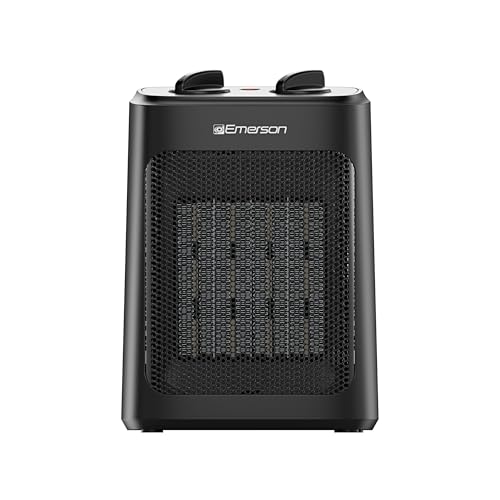
The Emerson SH1501 combines PTC ceramic heating with a high‑efficiency fan and three heat levels (700W, 900W, 1500W) plus a fan‑only mode. Its simple dial thermostat and proven PTC technology offer reliable performance and energy efficiency for maintaining a crawl space above freezing.
Call 888-896-7031 for Free Local HVAC Quotes – Compare and Save Today!
Emerson’s straightforward controls make it easy to set a conservative heat level that protects pipes and structure without constant monitoring. As with other plug‑in heaters, protect the unit from moisture, ensure stable mounting or placement, and avoid placing it directly beneath insulation or near vapor barriers.
Dr Infrared Heater DR-238 Carbon Infrared Heater
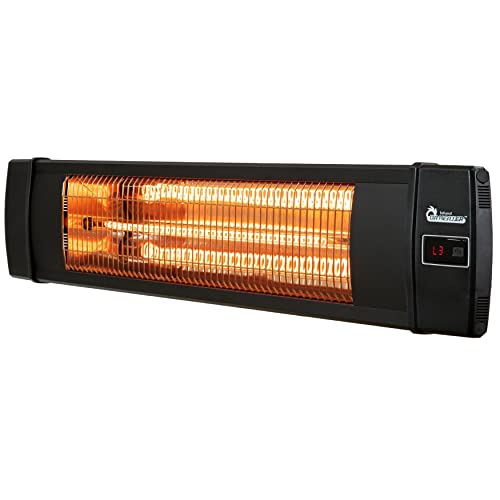
The Dr Infrared DR‑238 is a carbon infrared heater with an IP55 rating, listed for indoor and outdoor use. Infrared heat warms objects and surfaces rather than only air, which can be effective in drafty or poorly insulated crawl spaces. The unit offers three power settings and remote control operation.
The IP55 ingress protection rating indicates resistance to dust and water jets, making this model comparatively more resilient to damp conditions found in some crawl spaces. However, even an IP55 unit needs proper mounting and clearance to avoid contact with insulation or stored materials and should be installed following electrical code for damp locations.
Buying Guide: Choosing A Safe Heater For A Crawl Space
Selecting a heater for a crawl space combines concerns about safety, moisture resistance, temperature control, and installation practicality. Below are the primary considerations and comparison perspectives to evaluate before selecting and installing a unit.
Safety Features To Prioritize
- Tip‑Over Protection: Automatically cuts power if the unit falls. Important for units placed on uneven surfaces.
- Overheat Protection / Thermal Cutoff: Prevents internal temperatures from reaching unsafe levels.
- Certification (ETL/UL): Third‑party electrical safety testing reduces risk of wiring or component failures.
- Flame‑Retardant Materials: V0 or similar ratings reduce ignition risk in the event of component failure.
Moisture And Location Considerations
- Ingress Protection (IP) Rating: If your crawl space is damp or occasionally wet, a heater with an IP rating (e.g., IP55) provides greater resilience than standard indoor‑only units.
- Elevation And Mounting: Elevate the heater above the crawl space floor to avoid standing water and to reduce dust buildup.
- Clearances: Maintain manufacturer‑specified clearances from insulation, wood framing, and stored materials to reduce fire risk.
Heating Technology Comparison
- PTC Ceramic Heaters: Rapid warm‑up, self‑limiting element behavior, good for small spaces and safe operation.
- Infrared/Carbon Heaters: Heat objects and surfaces directly; can be effective in reducing cold surfaces and freezing risk in poorly insulated crawl spaces. IP ratings often available for outdoor use models.
- Fan‑Assisted Electric Heaters: Distribute warm air quickly but rely on air movement; may be less effective in very drafty spaces without airflow management.
Control, Thermostat, And Power Options
- Accurate Thermostat: Look for fine increments or NTC/precision control to avoid overheating and save energy.
- Low‑Power Settings: Multiple wattage options (700W–1500W) allow conservative operation to maintain a safe minimum temperature without excessive electrical load.
- Timers And Remote Control: Useful for scheduled operation to reduce runtime while protecting against freeze events.
Installation, Electrical, And Code
- Circuit Capacity: Ensure the circuit can supply the heater without overloading. Dedicated circuit may be required for permanent installations.
- Permanent vs Portable: Portable plug‑in heaters are easier to deploy but must be used with caution. Permanent, hard‑wired solutions may be preferable for long‑term installations and must be done to code by a licensed electrician.
- Local Codes And Insurance: Verify local building codes and insurance requirements for heating equipment in crawl spaces. Some jurisdictions prohibit certain portable heaters in confined utility areas.
Moisture Control And Complementary Measures
- Vapor Barrier And Drainage: A polyethylene vapor barrier and proper site drainage reduce moisture load and limit heater runtime.
- Insulation: Properly insulating the subfloor and rim joists reduces the heating demand and improves freeze protection.
- Ventilation Balance: Maintain required ventilation or follow conditioned crawl space practices; altering ventilation can require other mechanical changes.
Maintenance And Monitoring
- Regular Inspection: Check for dust, cobwebs, rodent damage, and water intrusion. Clean air inlets as recommended by the manufacturer.
- Temperature Monitoring: Use a separate thermometer or smart sensor to verify crawl space conditions and heater performance.
- Replace Filters / Components: Follow manufacturer guidance for replacing parts or servicing to retain safety features.
Comparison Perspectives
- Safety vs Moisture Resilience: IP‑rated infrared units (e.g., Dr Infrared) offer superior moisture resistance but may radiate heat differently than PTC ceramic units. Choose based on the primary hazard—moisture or freeze risk.
- Precision Control vs Simplicity: Digital heaters with fine thermostat control save energy and maintain steady temperatures; simple mechanical thermostats are robust but less precise.
- Temporary vs Permanent Solution: Portable plug‑in heaters are suitable for short‑term protection; for year‑round conditioning, consider a permanent, code‑compliant heating strategy installed by a professional.
Selecting the safest heater for a crawl space requires matching the device’s safety features and moisture tolerance to the specific conditions of the space, and ensuring proper installation and regular maintenance to minimize risk.
Tips for Getting the Best HVAC Prices
- Prioritize Quality Over Cost
The most critical factor in any HVAC project is the quality of the installation. Don’t compromise on contractor expertise just to save money. - Check for Rebates
Always research current rebates and incentives — they can significantly reduce your overall cost. - Compare Multiple Quotes
Request at least three estimates before making your choice. You can click here to get three free quotes from local professionals. These quotes include available rebates and tax credits and automatically exclude unqualified contractors. - Negotiate Smartly
Once you've chosen a contractor, use the proven strategies from our guide — How Homeowners Can Negotiate with HVAC Dealers — to get the best possible final price.