
Choosing the right electric outdoor wall heater depends on space, mounting preference, power source, and weather protection. Below is a concise comparison of five well-reviewed electric infrared wall heaters suited for patios, decks, garages, and commercial areas. The product sections that follow summarize features, mounting options, power settings, certifications, and practical notes to help you decide.
| Product | Power / Modes | Mounting | Weather Rating |
|---|---|---|---|
| Dr Infrared Heater DR-238 | 900W / 1200W / 1500W | Wall / Portable (plug-in) | IP55 (Indoor & Outdoor) |
| Ceiling Electric Outdoor Heater (sundate) | 1500W, 9 Heat Levels | Wall or Ceiling | IP65 (Waterproof) |
| Briza Infrared Electric Patio Heater | 1500W, Multiple Levels | Wall, Ceiling, Tripod/Stand | Indoor/Outdoor Rated |
| ThermoMate Infrared Electric Patio Heater | 1500W / 3000W (Hardwired) | Wall (Hardwired) | Designed For Outdoor Use (240V) |
| PowerScale Infrared Heater | 1500W, 9 Levels, 24H Timer | Wall Mounted | IP65 (Waterproof) |
Dr Infrared Heater DR-238 Carbon Infrared Outdoor Heater
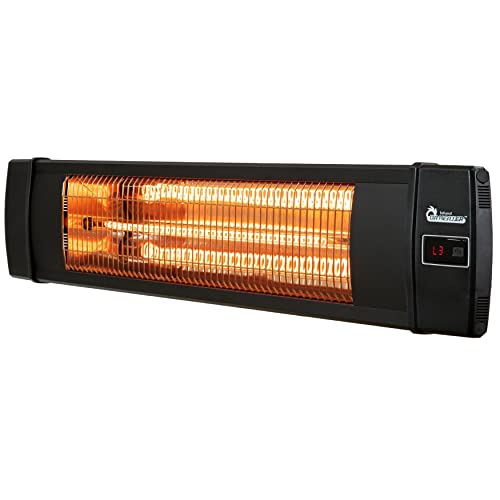
The Dr Infrared DR-238 is marketed for both indoor and outdoor use with an IP55 rating, making it suitable for covered patios, garages and open-air restaurant areas. It offers three power settings—900W, 1200W, and 1500W—allowing staged heat output to match occupancy and ambient conditions.
Key listed features include clean, odorless carbon infrared heat, instant warmth, and a plug-and-go design using standard 120V power. The unit ships with a remote control for convenient operation from a seating area or table.
Mounting options focus on wall installation, and its IP55 approval indicates resistance to water jets and limited dust ingress suitable for many outdoor covered scenarios. The modular power settings help manage energy use and comfort without hardwiring.
Ceiling Electric Outdoor Heater Wall-Mounted Hanging Patio 1500W (sundate)

Call 888-896-7031 for Free Local HVAC Quotes – Compare and Save Today!
This 1500W infrared unit emphasizes fast heating and flexible installation. It includes brackets for both wall and ceiling mounting and supports multiple controls: remote and Wi‑Fi capability. The manufacturer supplies two remotes to avoid losing control access.
Built from rustproof metal and carrying an IP65 waterproof rating, the heater is designed to handle rain, snow, dust, and sand exposure. The product description highlights 98% efficiency and a high-temperature disinfection effect tied to the infrared carbon fiber tube.
Sundate’s unit is positioned for protected outdoor locations like gazebos, patios, and restaurant overhangs where users want quick warmth and remote scheduling. The IP65 rating supports installation in more exposed environments than lower-rated units.
Briza Infrared Electric Patio Heater – Portable Wall/Garage Heater
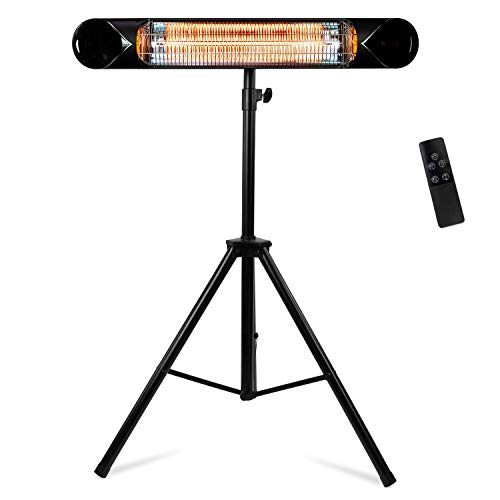
The Briza patio heater is designed as a dual-use solution: it mounts to walls or ceilings and also pairs with an adjustable tripod stand for portable placement. The included hardware and stand make it adaptable to changing outdoor layouts or temporary events.
Control is handled via remote, allowing on/off, timer, and heat-level adjustments from seating areas. Safety features listed include a built-in tip-over sensor that shuts the unit off to reduce fire risk if the heater is accidentally displaced.
Call 888-896-7031 for Free Local HVAC Quotes – Compare and Save Today!
Briza’s model appeals when flexibility is important—moving between mounted and freestanding use—without requiring hardwiring. It is commonly chosen for home patios, garages, and enclosed porches that need a compact, multi-mount heater.
ThermoMate Infrared Electric Patio Heater, 3000W Carbon Fiber

ThermoMate’s heater emphasizes high output with a switchable 1500W / 3000W mode and a carbon fiber heating tube promising near-instant warmth in about three seconds. The unit is intended for larger coverage—manufacturer notes recommend mounting heights and coverage in the 100+ square foot range for optimal performance.
This model requires hardwiring to a dedicated 240V circuit, which suits larger patios, garages, or semi-commercial installations where higher wattage is needed. A full-featured remote includes a 24-hour timer and selectable heat modes for scheduling and energy management.
Because it is hardwired, ThermoMate is better placed as a semi-permanent installation for users who need strong, immediate infrared heat across a larger outdoor seating area or workspace.
PowerScale Infrared Heater 24H Timer Outdoor Heater

PowerScale’s 1500W wall-mounted heater focuses on control features and safety. It offers 9 adjustable heat levels, a 24-hour timer, memory function, and touchscreen controls plus a remote. The unit claims rapid warm-up—approximately 2.5 seconds—and effective reach up to about 10 feet.
Safety and durability are prominent: ETL certification is mentioned and the heater has an IP65 rating for waterproof and dustproof protection. Built-in overheating detection and tip-over shutoff are listed to reduce risk during unattended operation.
The PowerScale model suits homeowners and small commercial operators who prioritize programmable operation, precise heat control, and robust IP-rated construction for more exposed outdoor placements.
Buying Guide: Choosing An Electric Outdoor Wall Heater
This buying guide covers key considerations when selecting an electric outdoor wall heater for patios, decks, garages, or commercial outdoor spaces.
1. Power And Coverage
Heater outputs commonly range from 900W to 3000W. Higher wattage delivers greater heat radius and faster comfort. Estimate required output based on area size, ceiling height, and whether the space is open or enclosed. For small covered patios 900–1500W can be sufficient; larger or open seating areas often need 1500W or higher, sometimes on 240V circuits.
2. Mounting Options
Choose between wall-mounted, ceiling-mounted, portable tripod, or hardwired fixed installations. Wall and ceiling mounts keep floors clear and provide directed warmth. Tripods or stands add portability for events or changing layouts. Hardwired units are better for high-power permanent installations.
3. Weather Rating And Durability
IP ratings indicate environmental protection. An IP55 rating offers protection against dust and low-pressure water jets for covered outdoor areas. IP65 provides higher resistance to water and dust for more exposed locations. For semi-exposed decks or restaurants, prioritize IP65 or higher and rustproof materials.
4. Heating Technology
Infrared (carbon or ceramic) heaters warm people and objects directly rather than heating air, which is efficient in breezy outdoor areas. Carbon fiber elements often heat quickly and provide focused radiant warmth. Consider the desired warmth feel and whether direct radiant heat suits your seating layout.
5. Control Features
Remote controls, Wi‑Fi, timers, and memory functions improve convenience and energy management. A timer allows preheating before guests arrive, while multiple heat levels help balance comfort and operating cost. Touchscreens and memory recall simplify repeated settings.
6. Safety And Certifications
Look for ETL or UL listings for electrical safety, tip-over protection on portable models, and automatic shutoff on overheating. Grounded plugs (3-prong) and built-in safety grills reduce risk. For commercial installations, check local electrical codes and certification requirements.
7. Power Source And Installation Requirements
Confirm whether a unit is 120V plug-in or requires 240V hardwiring. Hardwired 240V heaters provide higher power but require an electrician and dedicated circuit. Plug-in models offer DIY installation but may have lower peak output.
8. Mounting Height And Heat Angle
Manufacturers often specify recommended mounting heights and optimal heat angles. Lower mounting provides stronger direct heat but requires safe clearance from occupants. Follow manufacturer guidance for maximum coverage and safety clearances.
9. Energy Efficiency And Operating Cost
Infrared heaters can be more efficient outdoors than propane because they deliver direct radiant heat. Use adjustable power levels and timers to reduce runtime. For frequent long sessions, higher-efficiency models and programmable timers reduce recurring energy usage.
10. Use Case Scenarios
- Residential Covered Patio: Plug-in 120V units with IP55 protection and remote control are convenient.
- Exposed Outdoor Dining/Commercial: Prefer IP65-rated, hardwired 240V or higher-output units with professional installation.
- Portable Needs/Events: Models with tripod stands or quick-mount systems provide versatility.
- Garages and Workshops: Consider enclosed-space ratings and ventilation if used indoors.
Comparison Perspectives
When comparing models, weigh these perspectives: installation complexity (plug-in versus hardwired), environmental exposure (IP55 vs IP65), control sophistication (timer / Wi‑Fi / remote), and output needs (1500W vs 3000W). Also factor in material quality and certifications for longevity and code compliance.
Use the product feature lists and this buying guide to match a heater to your specific site, safety needs, and convenience preferences. Proper sizing, correct mounting, and adherence to electrical and safety instructions are essential for effective and reliable outdoor heating.
Tips for Getting the Best HVAC Prices
- Prioritize Quality Over Cost
The most critical factor in any HVAC project is the quality of the installation. Don’t compromise on contractor expertise just to save money. - Check for Rebates
Always research current rebates and incentives — they can significantly reduce your overall cost. - Compare Multiple Quotes
Request at least three estimates before making your choice. You can click here to get three free quotes from local professionals. These quotes include available rebates and tax credits and automatically exclude unqualified contractors. - Negotiate Smartly
Once you've chosen a contractor, use the proven strategies from our guide — How Homeowners Can Negotiate with HVAC Dealers — to get the best possible final price.