
Choosing a propane heater for indoor spaces requires balancing heat output, safety features, and installation type. The table below summarizes five propane heaters suited for indoor or semi-indoor use; full details follow so you can compare performance, coverage, and safety characteristics.
| Model | Type | BTU Range | Coverage |
|---|---|---|---|
| Mr. Heater Portable Buddy MH9BX | Portable Radiant | 4,000–9,000 | Up To 225 sq. ft. |
| Mr. Heater MHVFBF20LPT | Vent-Free Blue Flame | 20,000 | Up To 700 sq. ft. |
| Mr. Heater 4k–18k Dual Tank | Portable Multi-Setting | 4,000–18,000 | Up To 450 sq. ft. |
| ProCom ML250TPA-B Infrared | Ventless Infrared | Up To 25,000 | Up To 1,150 sq. ft. |
| Dyna-Glo IR30PMDG-1 | Vent-Free Infrared | 6,000–30,000 | Up To 1,000 sq. ft. |
Content Navigation
- Mr. Heater Portable Buddy MH9BX
- Mr. Heater MHVFBF20LPT 20,000 BTU
- Mr. Heater 4,000–18,000 BTU Portable
- ProCom ML250TPA-B Infrared Ventless
- Dyna-Glo IR30PMDG-1 Infrared Wall Heater
- Buying Guide
- 1. Heater Type: Radiant vs Blue Flame vs Infrared
- 2. BTU Output And Room Size
- 3. Ventless (Vent-Free) vs Vented
- 4. Safety Features
- 5. Fuel Connection And Runtime
- 6. Installation And Local Codes
- 7. Thermostat And Controls
- 8. Indoor Air Quality Considerations
- 9. Portability And Intended Use
- 10. Maintenance And Warranty
Mr. Heater Portable Buddy MH9BX
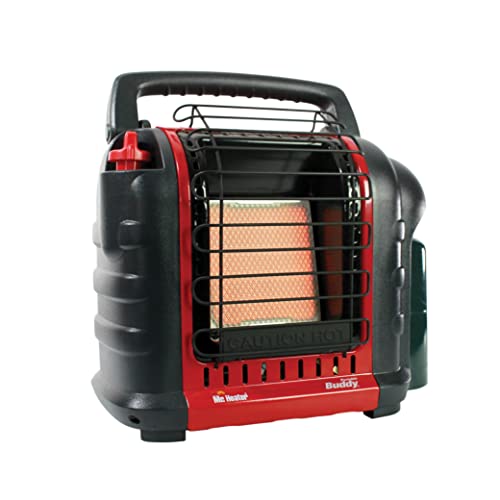
This portable radiant propane heater uses infrared technology to warm objects and people directly rather than relying solely on air circulation. The unit offers adjustable settings between 4,000 and 9,000 BTUs, with a stated coverage up to ~225 sq. ft., making it suited for small rooms, campers, and workshops.
Key features listed include a durable Piezo igniter for matchless startup, a refined tip-over safety switch that audibly engages, and radiant heat delivery often perceived as “sun-like.” The design emphasizes portability and quick localized heat. This model is described for indoor-safe use in limited spaces; follow manufacturer ventilation and placement guidelines for interior use.
Mr. Heater MHVFBF20LPT 20,000 BTU
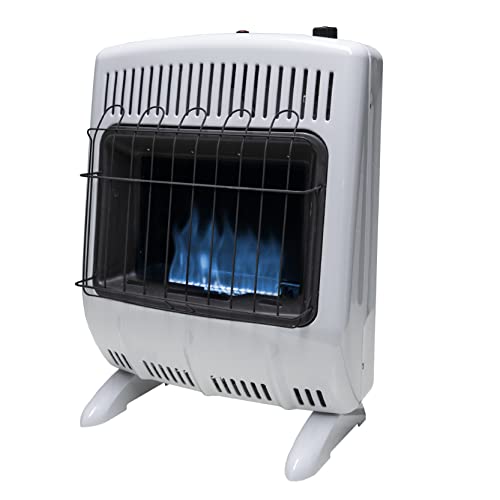
This wall-mounted vent-free blue flame heater provides up to 20,000 BTUs and is presented as suitable for rooms up to ~700 sq. ft. It includes a thermostat for temperature control and an electronic ignition system powered by a battery (included).
Call 888-896-7031 for Free Local HVAC Quotes – Compare and Save Today!
Listed safety attributes include an Oxygen Depletion Sensor (ODS), which automatically shuts the unit off if oxygen levels fall below safe thresholds. The specification also notes consistent performance up to certain elevations. This design is for fixed installation and is commonly used for additions, sunrooms, garages, and cabins where vent-free solutions are permitted by code.
Mr. Heater 4,000–18,000 BTU Portable
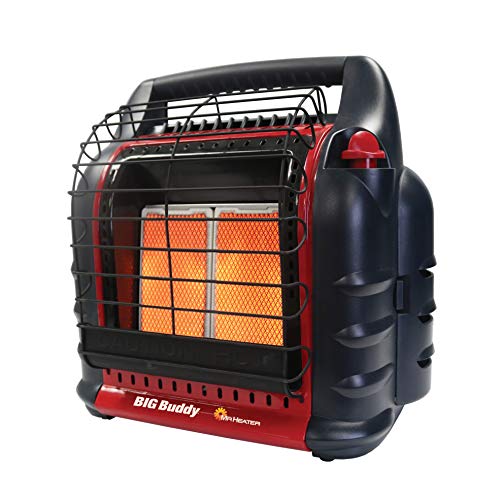
This portable LP gas heater has three heat levels—4,000, 9,000, and 18,000 BTU—allowing flexible coverage up to ~450 sq. ft. It supports operation from small 1 lb cylinders or larger tanks (with accessory hose), and a dual-tank connection option is mentioned for extended runtime.
Features include a single-control start knob with piezo spark ignition and an automatic safety shutoff for tip-over events. The variable output and portability make it a versatile option for indoor-outdoor transitions like garages or temporary workshop heat, provided local regulations allow indoor propane use.
ProCom ML250TPA-B Infrared Ventless

This compact ventless infrared mini heater provides up to 25,000 BTU with a thermostat control and is described to heat large spaces (stated up to ~1,150 sq. ft.). It offers wall-mount or floor placement using included hardware.
Call 888-896-7031 for Free Local HVAC Quotes – Compare and Save Today!
The product references multi-level thermostat settings and emphasizes slimmer styling for residential environments. As a ventless infrared option, it radiates heat to objects and surfaces. Users should review ventless heater codes and indoor air quality considerations where they plan to install this type.
Dyna-Glo IR30PMDG-1 Infrared Wall Heater

This vent-free infrared wall heater offers variable heat from 6,000 to 30,000 BTU, stated coverage to around 1,000 sq. ft., and is designed to radiate heat to objects and occupants. The unit comes ready for liquid propane use and emphasizes infrared heat delivery mechanisms.
Specifications highlight the broad BTU range and infrared operation that warms surfaces first. As with other vent-free systems, the product is positioned for areas where increased heat without flue venting is preferred, subject to local codes and indoor air quality practices.
Buying Guide
Selecting an indoor propane space heater requires careful consideration of safety, space size, heater type, and installation requirements. Below are key factors to compare and verify before purchase.
1. Heater Type: Radiant vs Blue Flame vs Infrared
Radiant/Infrared heaters warm objects and people directly and can feel faster for spot heating. Blue flame
2. BTU Output And Room Size
Match BTUs to square footage. Smaller rooms (100–300 sq. ft.) can use 4,000–9,000 BTU units; medium rooms may need 10,000–20,000 BTU; large areas often require 25,000–30,000 BTU. Consider ceiling height and insulation; higher ceilings and poor insulation increase demands.
3. Ventless (Vent-Free) vs Vented
Vent-freeVented
4. Safety Features
Look for ODS (Oxygen Depletion Sensor), tip-over switches, automatic shutoff, and reliable ignition systems (Piezo or electronic). For wall-mounted vent-free heaters, verify child guarding and clearance specifications.
5. Fuel Connection And Runtime
Portable units may run on 1 lb cylinders or larger tanks with adapters. Check whether the model supports dual tank connections or accessory hoses for extended runtime. Confirm hose and regulator compatibility with local propane supply standards.
6. Installation And Local Codes
Wall-mounted and ventless units usually require professional installation and must comply with local building and fuel codes. Verify allowable indoor use of propane appliances in your jurisdiction. Some installations need permits or inspections.
7. Thermostat And Controls
Thermostatic control allows steadier temperatures and improved fuel efficiency. Battery-powered electronic ignition simplifies startup for fixed installations; portable models commonly use Piezo igniters.
8. Indoor Air Quality Considerations
Vent-free combustion consumes oxygen and emits moisture and small amounts of combustion byproducts. Ensure adequate ventilation, use ODS-equipped units, and consider co-monitoring with carbon monoxide detectors and oxygen-level practices.
9. Portability And Intended Use
Choose portable radiant units for temporary, localized heating or outdoor-to-indoor transitional needs. Fixed wall-mounted units suit permanent spaces where continuous, whole-room heating is desired.
10. Maintenance And Warranty
Review manufacturer maintenance recommendations like periodic inspections, cleaning of burners, and replacement of valves or sensors. Check warranty coverage and availability of replacement parts and service.
Tips for Getting the Best HVAC Prices
- Prioritize Quality Over Cost
The most critical factor in any HVAC project is the quality of the installation. Don’t compromise on contractor expertise just to save money. - Check for Rebates
Always research current rebates and incentives — they can significantly reduce your overall cost. - Compare Multiple Quotes
Request at least three estimates before making your choice. You can click here to get three free quotes from local professionals. These quotes include available rebates and tax credits and automatically exclude unqualified contractors. - Negotiate Smartly
Once you've chosen a contractor, use the proven strategies from our guide — How Homeowners Can Negotiate with HVAC Dealers — to get the best possible final price.