
Find the Right Fan Heater for your space by comparing fan-powered ceramic heaters, tower combos, and heat-powered stove fans. Below is a quick comparison of the five selected options to help you match capacity, portability, and safety to your needs.
| Product | Type | Key Strength | Power Source |
|---|---|---|---|
| LifePlus 2 in 1 Heater Fan Combo | Desktop / Personal | Dual heating/cooling modes, tilt | Electric (ceramic) |
| Lasko Oscillating Tower Fan And Space Heater | Tower Ceramic Combo | Full-room circulation, tall oscillation | Electric (ceramic) |
| Dreo Tower Fan And Heater Combo | Tower Hybrid | High airflow, precision temp control | Electric (PTC ceramic) |
| Tomersun Wood Stove Fan | Heat-Powered Stove Fan | Circulates wood-stove heat, no electricity | Thermoelectric (heat-driven) |
| VODA 4-Blade Heat Powered Stove Fan | Heat-Powered Stove Fan | 4-blade design, increased warm-air diffusion | Thermoelectric (heat-driven) |
Content Navigation
- LifePlus 2 In 1 Heater Fan Combo, Portable Cooling Desk Fan
- Lasko Oscillating All Season Tower Fan And Space Heater
- Dreo Tower Fan And Heater Combo, 29.2ft/s Standing Fans For Bedroom
- Tomersun Wood Stove Fan, Heat Powered Stove Fan With Thermometer
- VODA 4-Blade Heat Powered Stove Fan For Wood/Log Burner
- Buying Guide: How To Choose A Powerful Fan Heater
LifePlus 2 In 1 Heater Fan Combo, Portable Cooling Desk Fan

This compact unit offers both a 1500W or 750W ceramic heating option and a cool-air fan mode. It features a 45° tilt for directional airflow and an independent fan motor designed to boost air output while keeping noise low. Control is done through a single knob that switches between heating and two fan speeds, aimed at simple operation for all users.
- Power Modes: 1500W and 750W heating plus cool fan mode.
- Design: Small footprint for desk or floor use; 45° tilt for targeting airflow.
- Controls: Single-knob operation simplifies mode and speed selection.
- Safety/Noise: Ceramic heating element with overheat protection; manufacturer emphasizes quiet motor.
Best suited for personal zones, workstations, and small rooms where quick, directed warmth or a cooling breeze is needed. The combined cooling function increases year-round utility compared with single-mode space heaters.
Lasko Oscillating All Season Tower Fan And Space Heater

The Lasko tower combines a 1500-watt ceramic heater with a multi-speed fan in a slim, 42-inch package designed for whole-room circulation. The tall oscillating design distributes warmed or cooled air more evenly than a fixed-direction personal heater.
Call 888-896-7031 for Free Local HVAC Quotes – Compare and Save Today!
- Heating & Cooling: 3 heat settings and 4 fan speeds provide flexible temperature and airflow control.
- Safety: ETL-listed with overheat protection and cool-touch housing for safer operation.
- Space Saving: Slim footprint fits tight rooms while offering high-reaching air distribution.
- Controls: Remote control capability supports convenient adjustments from across the room.
Designed for apartments, bedrooms, and living areas where a tall oscillating unit can move more air and maintain steady comfort without occupying much floor space. The ETL listing and cool-touch housing are relevant considerations for family spaces.
Dreo Tower Fan And Heater Combo, 29.2ft/s Standing Fans For Bedroom

Dreo markets a hybrid solution combining a 1500W PTC heater and multiple fan speeds with a high-performance DC motor delivering up to 1585 CFM and wide 120° oscillation. Features include precise temperature control from 41–95°F, an ECO mode for efficiency, and rapid 2-second warm-up performance.
- Airflow: Upgraded DC motor and ultrawide oscillation for long-range air delivery.
- Temperature Control: ±1.5°F precision and multiple heat/cool levels for detailed room conditioning.
- Modes & Timer: Numerous speed levels, modes, and a 12-hour timer for scheduling.
- Noise: Manufacturer specifies quiet operation (25dB nominal in low modes for some models).
Appropriate for larger rooms where stronger airflow and precise temperature settings matter. The combination of high CFM and wide oscillation aims to reduce cold spots and deliver faster feel of warmth or cooling over distance.
Tomersun Wood Stove Fan, Heat Powered Stove Fan With Thermometer

This thermoelectric stove fan is designed to sit on a wood stove and operate using stove heat—no electricity required. The unit uses 8 blades to increase air volume and starts automatically around 158°F. Tomersun states it circulates heat and can reduce fuel consumption by directing warmed air into the room.
Call 888-896-7031 for Free Local HVAC Quotes – Compare and Save Today!
- Power Source: Heat-driven; no batteries or cords needed.
- Blade Design: Eight blades for higher air volume and faster distribution.
- Operating Range: Starts ~158°F; optimal working range shown and an upper removal threshold to prevent damage.
- Included Accessory: Thermometer for monitoring stove surface temp.
Best for wood-stove owners who want to improve heat distribution without electricity. The automatic start and increased blade count aim to spread warm air faster than simpler stove fans.
VODA 4-Blade Heat Powered Stove Fan For Wood/Log Burner
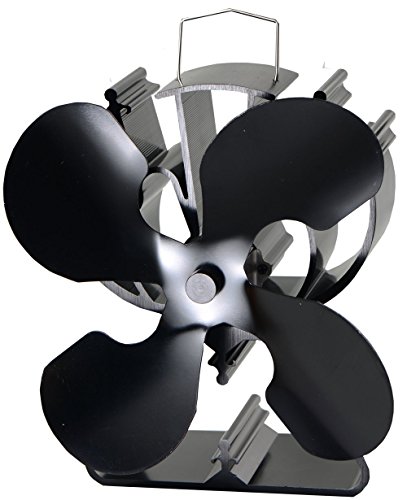
The VODA heat-powered fan uses a four-blade aluminum design to move warm air off a stove and into living spaces. It runs from the stove’s heat, requires no electrical power, and is promoted as increasing warm-air diffusion while helping reduce wood consumption through more efficient heat use.
- Operation: Thermoelectric generation—fan speed changes with stove temperature.
- Efficiency: Manufacturer claims improved heat distribution and lower wood usage compared to no fan.
- Durability: Aluminum blades are intended to resist warping and maintain airflow performance.
- Use Case: Works with wood stoves, log burners, and some fireplace setups.
Useful for those seeking a passive method to balance room temperatures from a single heat source. Performance will vary by stove surface temperature and placement.
Buying Guide: How To Choose A Powerful Fan Heater
Selecting a fan heater involves matching the device’s heating method, airflow, safety features, and placement to your needs. Below are key considerations and comparison perspectives.
1. Heating Technology And Effectiveness
Ceramic and PTC (positive temperature coefficient) elements heat quickly and often include built-in overheat protection. Look for 1500W models for typical single-room heating. For wood stoves, thermoelectric stove fans redistribute existing heat rather than generate it.
2. Airflow And Coverage
Airflow metrics such as CFM (cubic feet per minute) and oscillation angle indicate how well a unit moves air. Tower designs with wide oscillation cover more floor area; desktop units are best for targeted, short-range heating.
3. Room Size And Placement
Match heater wattage and fan airflow to room square footage. Towers are suited to living rooms and open areas. Compact desktop models target desks and small bedrooms. Stove fans are specific to wood stove setups and should be placed per stove manufacturer guidance.
4. Controls And Convenience
Consider programmable timers, remote controls, and precise temperature settings. Multi-mode units that also offer cooling increase year-round utility. Simple knob controls are easier for shared spaces or for users who prefer straightforward operation.
5. Safety Features
Verify ETL or UL listings, automatic overheat shutoff, and cool-touch housing when available. Fans that sit on stoves require safe placement and temperature range awareness. For households with children or pets, cool-touch and tip-over protection are important.
6. Energy Use And Efficiency
PTC elements and ECO modes can offer more efficient operation. Heat-powered stove fans do not consume electricity but their effectiveness depends on stove temperature. Consider whether you prioritize electrical efficiency or distribution efficiency from an existing heat source.
7. Noise Level
Noise ratings vary by motor and speed levels. DC motors and heat-powered fans often advertise quieter operation. If bedroom use is intended, look for low-decibel operation in manufacturer specs.
8. Durability And Materials
Metal fans and aluminum blades resist warping under heat. Ceramic and PTC elements are common for longevity in electric heaters. For stove fans, robust blades and thermal interfaces are desirable for sustained high-temperature exposure.
9. Specific Use Cases Compared
- Personal Desk Use: Small ceramic units with tilt and low fan noise (e.g., LifePlus) provide direct warmth or cooling.
- Whole-Room Coverage: Tower combos with high airflow and oscillation (e.g., Lasko, Dreo) offer broader circulation and precise thermostat control.
- Wood Stove Optimization: Thermoelectric fans (e.g., Tomersun, VODA) re-distribute stove heat without electricity and can lower fuel consumption.
10. Installation, Maintenance, And Safety Practices
Place heaters on stable, flat surfaces, keep clearance from combustibles, and clean fans and filters per manufacturer guidance. For stove fans, place on a flat area of the stove and ensure the fan’s operating temperature aligns with recommended ranges.
When comparing models, prioritize the combination of power (wattage), airflow (CFM or oscillation), safety certifications, and the intended application. For year-round value, consider units that provide both heating and cooling. For off-grid or wood-burning setups, heat-powered fans can improve comfort without electrical consumption.
Tips for Getting the Best HVAC Prices
- Prioritize Quality Over Cost
The most critical factor in any HVAC project is the quality of the installation. Don’t compromise on contractor expertise just to save money. - Check for Rebates
Always research current rebates and incentives — they can significantly reduce your overall cost. - Compare Multiple Quotes
Request at least three estimates before making your choice. You can click here to get three free quotes from local professionals. These quotes include available rebates and tax credits and automatically exclude unqualified contractors. - Negotiate Smartly
Once you've chosen a contractor, use the proven strategies from our guide — How Homeowners Can Negotiate with HVAC Dealers — to get the best possible final price.