
Finding the right brown baseboard heater or register depends on size, material, airflow control, and installation method. Below is a concise comparison table of the five selected products covered in this guide to help you choose quickly.
| Product | Type | Key Feature |
|---|---|---|
| TruAire 48 Inch Baseboard Register (Brown) | Steel Register | Damper for airflow control |
| Yaocom 2 Pack Baseboard Register 18 Inch (Brown) | Steel Register Pack | Two covers with easy install and lever |
| Plastic Baseboard Register (18″, Brown) | Plastic Register | Lightweight with damper |
| Ozo Brothers 12 x 4 Inch Brown Air Register Cover | Small Steel Grille | All-steel with insect net |
| TPI F391260C 1250W Hydronic Electric Baseboard Heater | Hydronic Electric Heater | Copper tube casing with aluminum fins |
TruAire 48 Inch Baseboard Register (Brown)

The TruAire 48 Inch Baseboard Register is an all-steel construction register designed for longer runs. The unit includes an integrated damper to adjust airflow, making it suitable for rooms that require variable heat distribution or balancing.
Key dimensions: 48 inches overall length, intended for standard baseboard openings. Steel construction provides durability and a consistent finish for brown-colored HVAC trim.
Installation considerations: the register is surface-mounted and expects compatible mounting points or screw holes. The damper lever allows basic manual flow control without additional dampers or ductwork adjustments.
Yaocom 2 Pack Baseboard Register Vent 18 Inch

Call 888-896-7031 for Free Local HVAC Quotes – Compare and Save Today!
This Yaocom listing includes two 18-inch steel baseboard covers, intended for replacing multiple vents or for paired installations. The vents include a smooth air adjust lever for manual airflow control and are finished in brown powder coat.
Materials and build: constructed from quality steel to provide rigidity and corrosion resistance. The package quantity supports multi-room upgrades and staged replacements.
Ease of install: designed to reuse existing screw holes for a simple surface mount. Users should confirm the opening size before purchase to ensure compatibility with the listed 18-inch duct dimension.
Plastic Baseboard Register 18″ Brown

This brown 18-inch plastic baseboard register is formed from high-quality plastic resin and includes an easy open/close damper. The lightweight construction reduces risk of denting and simplifies handling during installation.
Performance characteristics: plastic registers typically offer corrosion resistance and are less thermally conductive than steel, which can affect perceived warmth at the grille surface.
Call 888-896-7031 for Free Local HVAC Quotes – Compare and Save Today!
Applications: well suited for rooms where moisture resistance or lower weight is preferred, such as bathrooms, basements, or rental properties. Confirm opening size and depth for fitment prior to installation.
Ozo Brothers 12 x 4 Inch Brown Air Register Cover

The Ozo Brothers 12 x 4 inch register is an all-steel grille intended for small baseboard or wall openings. Exterior size 12″ x 4″ with a stated fit for approximately an 11″ x 2.5″ hole.
Notable features include a bright brown finish and an integrated fiberglass insect net, which helps keep debris and insects out of duct openings. Surface mounting makes this a simple DIY replacement part for older or damaged grilles.
Consideration: this size is smaller than standard baseboard runs and best used for localized vents, returns, or exterior wall vent needs where a compact grille is required.
TPI F391260C Hydronic Electric Baseboard Heater
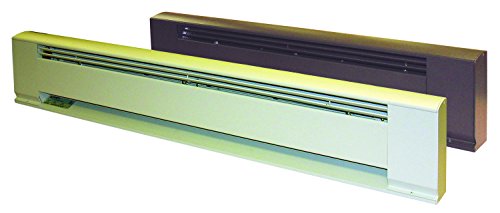
The TPI F391260C Series 3900 hydronic electric baseboard heater is a manufactured-in-USA unit featuring a copper tube casing with aluminum fins. It operates at 1250W and 6 amps for targeted room heating.
Safety and control: includes an automatic linear limit for thermal protection. Hydronic-style units provide more even surface temperature distribution compared with bare-element electric baseboards.
Installation and use: designed for fixed mount along baseboard runs. Match circuit and amperage requirements, and confirm wall clearance and mounting standards for hydronic electric units prior to installation.
Buying Guide For Brown Baseboard Heaters And Registers
This buying guide covers the key considerations when selecting a brown baseboard heater or register, including compatibility, material, airflow control, installation, and long-term maintenance.
Tips for Getting the Best HVAC Prices
- Prioritize Quality Over Cost
The most critical factor in any HVAC project is the quality of the installation. Don’t compromise on contractor expertise just to save money. - Check for Rebates
Always research current rebates and incentives — they can significantly reduce your overall cost. - Compare Multiple Quotes
Request at least three estimates before making your choice. You can click here to get three free quotes from local professionals. These quotes include available rebates and tax credits and automatically exclude unqualified contractors. - Negotiate Smartly
Once you've chosen a contractor, use the proven strategies from our guide — How Homeowners Can Negotiate with HVAC Dealers — to get the best possible final price.
Type And Purpose
- Registers vs Heaters: Registers and covers are passive trim pieces that route airflow from a central HVAC system. Electric or hydronic baseboard heaters generate heat and require electrical or plumbing connections.
- Replacement vs New Installation: For simple cosmetic or airflow fixes, choose a register or grille. For adding heating capacity, select a dedicated baseboard heater with proper electrical rating.
Material And Finish
- Steel Registers: Durable, often powder-coated for corrosion resistance; better for high-traffic areas and long runs.
- Plastic Registers: Lightweight, non-corroding, and easier to handle; check heat tolerance if placed near heaters.
- Coating Quality: Powder coat finish resists chipping and rust; verify color consistency if matching trim.
Size And Fitment
- Measure the actual duct opening and exterior mounting dimension. Registers often list overall length and fitted duct opening—match both.
- Small grilles (e.g., 12 x 4) suit limited openings; longer registers (18″, 48″) are for continuous baseboard runs.
- Depth and projection matter for flush mounts or recessed cavities—confirm clearance behind the wall or baseboard cavity.
Airflow Control And Dampers
- Built-In Dampers: Provide manual control of airflow; useful for balancing room temperatures without altering ductwork.
- Smooth Adjust Levers: Easier to operate and adjust; consider durability of the lever mechanism.
- For precise zoning, pair manual dampers with thermostats or zone controls if integrating with central systems.
Heater Specifications And Safety
- Wattage And Amperage: Match the heater’s wattage and amperage to your circuit capacity. Electric baseboards require correct wiring and breaker sizing.
- Element Type: Hydronic-style with copper tube and fins provides even heat dispersion; steel-finned elements heat rapidly but have higher surface temperatures.
- Thermal Limits And Controls: Automatic limits and built-in thermostats improve safety. Confirm whether a separate thermostat is required for the heater model.
Installation And Compatibility
- Mounting Method: Surface-mounted registers typically use existing screw holes; replaceable grilles often match standard hole patterns.
- Professional vs DIY: Registers and lightweight covers are generally DIY-friendly. Electric or hydronic baseboard heaters often require professional electrical work for safe and code-compliant installation.
- Local Codes: Verify local electrical codes for heater installations and required clearances around combustible materials.
Durability And Maintenance
- Rust Resistance: Powder-coated steel and plastic resist rust; steel units may need touch-up paint over time if scratched.
- Cleaning: Dust and debris reduce airflow; removable registers ease cleaning. Insect nets and grills can reduce contamination.
- Long-Term Wear: Consider lever/damper durability and fastener corrosion in humid environments.
Comparison Perspectives
- Cost vs Longevity: Plastic registers are lower weight and cost-effective for cosmetic fixes; steel registers offer longer life and better resistance to impact.
- Performance vs Safety: Hydronic-style heaters (copper tube with fins) deliver smoother heat but require correct installation. Electric elements heat quickly but need thermal limits and clearances.
- Quantity Needs: Multipacks (e.g., 2-pack or 10-pack) provide bulk replacement for multi-room projects and can reduce installation time if multiple vents match the same size.
Final Selection Checklist
- Measure opening dimensions and depth.
- Decide between passive register and active heater.
- Confirm material and finish for durability and aesthetics.
- Check airflow control options (dampers and levers).
- For heaters, verify electrical ratings and safety features.
- Consider multi-pack options when replacing multiple vents.