
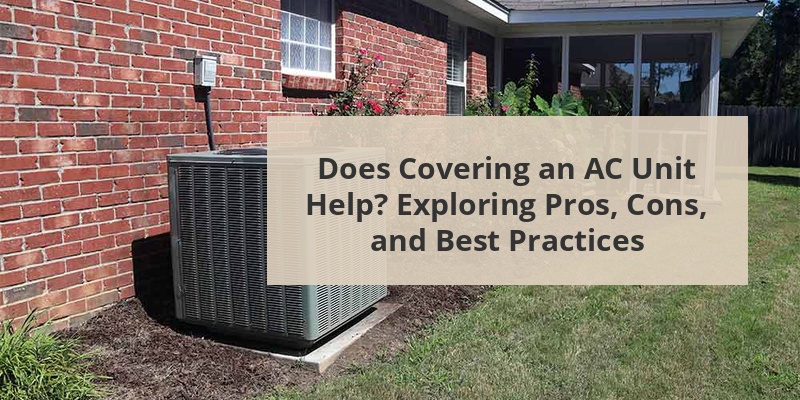
Protecting your outdoor air conditioning unit can seem like a no-brainer, especially during harsh American winters or pollen-heavy spring seasons. But does covering an AC unit actually help— or could it cause more harm than good? This comprehensive guide examines the benefits and risks of covering your AC unit, delves into when and how to use covers, and offers expert-backed best practices for every U.S. region. Whether you’re a homeowner or property manager, discover what really matters for your AC system’s health and longevity.
Content Navigation
- Summary Table: Should You Cover Your AC Unit?
- Why Homeowners Consider Covering Air Conditioning Units
- How Air Conditioners Are Built To Handle Weather
- Potential Benefits Of Covering Your AC Unit
- Potential Risks Of Covering An AC Unit
- When Is It Helpful To Cover Your AC Unit?
- When Should You Avoid Covering The AC Unit?
- Types Of AC Unit Covers: Pros And Cons
- Expert Recommendations From Leading HVAC Manufacturers
- How To Properly Cover An AC Unit If Needed
- Regional Considerations: Best Practices Across The US
- Maintenance Tips For Outdoor AC Units—With Or Without Covers
- Common Myths About Covering AC Units
- Signs That Your AC Unit Needs Covering
- Frequently Asked Questions: AC Unit Covers
- Key Takeaways For U.S. Homeowners
Summary Table: Should You Cover Your AC Unit?
| Scenario | Recommendation | Potential Benefit | Potential Risk |
|---|---|---|---|
| Heavy Snow/Ice (Northern States) | Partial Cover | Protects top from debris/ice | Could trap moisture if fully covered |
| Fall (Leaves/Acorns) | Mesh Cover | Keeps out leaves, maintains airflow | Minimal if breathable |
| Spring/Pollen Season | Optional Light Cover | May reduce cleaning needs | Pest nesting if left for long periods |
| Rainy Season | Do Not Cover | Not necessary; units designed for rain | Moisture build-up, rust |
Why Homeowners Consider Covering Air Conditioning Units
Many American homeowners believe that covering the outdoor AC unit offers protection from weather-related wear, debris accumulation, and potential system damage. The main motivations include:
- Shielding AC components from snow, ice, and heavy rain, especially in cold climates
- Preventing leaves, acorns, and twigs from clogging the condenser in the fall
- Minimizing dirt, pollen, and dust buildup during allergy seasons
- Discouraging animals from nesting inside the unit over winter
These concerns drive the common question: “Does covering an AC unit help, or does it introduce new risks?”
How Air Conditioners Are Built To Handle Weather
Modern air conditioning condensers are engineered to withstand harsh outdoor conditions. Manufacturers design the external cabinet with durable materials like galvanized steel, baked-on powder coatings, and rust-inhibiting paint. Sealed electrical connections and protected coils further enhance weather resistance.
Most major brands, including Carrier, Trane, and Lennox, explicitly state that units are safe to leave uncovered year-round. This withstands:
- Rain and moisture
- UV sunlight
- Temperature swings
- Moderate snow/ice
Covering may seem logical, but improper use can interfere with these built-in defenses.
Call 888-896-7031 for Free Local HVAC Quotes – Compare and Save Today!
Potential Benefits Of Covering Your AC Unit
There are specific situations where strategically covering an AC unit offers clear benefits:
- Protects Against Large Debris: A well-fitted mesh or partial top cover can block falling branches, leaves, and pine needles in autumn, keeping the condenser cleaner and reducing maintenance.
- Provides Light Shielding From Ice: In areas with significant snowfall, a rigid top cover prevents heavy ice or icicles from building up directly on fan blades or coil tops.
- Deters Animals: Covers can reduce the risk of animals such as rodents or birds nesting within the open cavities of the condenser during winter months.
- Minimizes Pollen Buildup: In allergy-prone regions, a breathable spring cover may keep pollen and cottonwood seed out of the coils, supporting system efficiency.
Using a proper, breathable cover during the right seasons can offer targeted protection without interfering with the AC unit’s intended operation.
Potential Risks Of Covering An AC Unit
While covers have advantages, improper use poses several risks that can outweigh potential benefits.
- Moisture Trapping and Condensation: Non-breathable covers can trap moisture underneath, leading to rust and corrosion of metal parts, coil fins, and internal electronics.
- Mold and Mildew Growth: Reduced airflow beneath a cover—especially plastic or tarp—creates an ideal environment for mold, mildew, and bacterial growth inside the cabinet.
- Rodents and Pest Infestation: Full enclosure covers sometimes trap rodents or small wildlife, encouraging nesting and potential chewing on wiring or insulation.
- Overheating Risks: Forgetting to remove the cover before turning on the unit in spring can choke off airflow, causing overheating, trip-outs, or compressor damage.
The consensus among HVAC professionals is to avoid using heavy-duty, full-coverage tarps except for unique circumstances.
When Is It Helpful To Cover Your AC Unit?
Certain regions and settings justify selective use of covers. Consider a cover in these scenarios:
- Autumn (Midwest, Northeast, or Pacific Northwest): Use a mesh or top-only cover to shield from falling debris such as maple leaves or conifer needles.
- Severe Snowfall or Icicles (Upper Midwest, Rockies, Northeast): A rigid, water-resistant slab or “top hat” helps protect the fan assembly from damage by falling icicles or heavy snow accumulation.
- Pollen-Heavy Springs (Southeast, Central Plains): Temporarily use a loose-fitting, breathable cover to minimize pollen infiltration, removing it as temperatures rise and before using the AC system.
In most temperate or Southern U.S. climates, covering an AC unit is generally unnecessary and could create unintended problems.
Call 888-896-7031 for Free Local HVAC Quotes – Compare and Save Today!
When Should You Avoid Covering The AC Unit?
The majority of American homes do not require full AC unit covers year-round. Avoid covering in these circumstances:
- Rainy Or Humid Environments (Gulf Coast, Southeast): Covers can trap moisture, leading to internal rust and corrosion.
- During Operating Season: Never run your air conditioner while the outdoor unit is covered, as this blocks airflow and can cause serious mechanical failure.
- Mild Winter Climates (California, Southwest): No practical benefit is provided, since frost, ice, or heavy debris are rare.
Manufacturer guidelines usually recommend leaving the unit uncovered unless a specific seasonal threat exists.
Types Of AC Unit Covers: Pros And Cons
| Cover Type | Description | Best Use | Drawbacks |
|---|---|---|---|
| Full Vinyl/Plastic Cover | Encases unit on all sides; sometimes waterproof | Short-term, only in extreme snow/ice | Traps moisture, blocks airflow, pest risk |
| Mesh Cover | Plastic fabric mesh, allows airflow | Autumn leaf protection, light spring debris | Poor snow/ice shielding, doesn’t stop tiny particles |
| Top-Only Rigid Cover (A/C Hat) | Lays flat on unit top, leaves sides open | Protects fan from icicles or snow slabs | Leaves sides open for most debris |
| DIY Tarp/Cover | Homemade, often with cords/weights | Not recommended except emergencies | Poor fit, high moisture and pest risk |
Expert Recommendations From Leading HVAC Manufacturers
Industry leaders like Trane, Carrier, and Goodman recommend against full-coverage AC unit covers for routine use.
- Carrier: “Our units are built to withstand severe weather—including snow, rain, and sun. Covering the unit can trap moisture and cause accelerated corrosion.”
- Trane: “While a top-only cover can block heavy snow or debris, avoid plastic wraps or enclosed covers that restrict airflow.”
- Lennox: “Animals often nest under covered units in winter. Avoid covers unless heavy debris is a concern.”
Review your AC owner’s manual for any brand-specific cover guidance.
How To Properly Cover An AC Unit If Needed
If you choose to cover your AC unit, follow these best practices for safety and efficiency:
- Choose a breathable, mesh, or rigid-top-only cover (never full plastic or DIY tarps).
- Secure the cover so it won’t blow off, but avoid wrapping it tightly around the base or sides.
- Do not fully enclose the unit. Leave several inches of clearance on the sides and bottom to promote airflow.
- Remove the cover as soon as inclement weather passes or before the AC system is powered on in spring.
- Check the unit periodically for signs of pest entry or trapped moisture.
Proper use of specialty covers can minimize risks and offer limited protection during extreme conditions.
Regional Considerations: Best Practices Across The US
| Region | Best Practice | Why? |
|---|---|---|
| Northeast/Upper Midwest | Use a rigid top cover in winter | Heavy snowfall, ice, falling branches |
| Southeast/Gulf Coast | No cover recommended | High humidity, limited winter risk |
| Pacific Northwest | Mesh cover in autumn, remove in winter | Leaf litter, limited snow/ice |
| Southwest/California | No cover needed | Mild winters, minimal debris risk |
Maintenance Tips For Outdoor AC Units—With Or Without Covers
Whether or not you use a cover, good seasonal maintenance is key to AC performance:
- Clean leaves and debris from around the condenser at the start and end of each season.
- Maintain 2 feet of clear space on all sides for adequate airflow.
- Inspect coil fins and remove dirt with a garden hose (when unit is off).
- Check for rodent or pest activity, especially after winter.
- Schedule professional HVAC service annually for cleaning and tune-up.
These steps improve efficiency and longevity with or without the addition of a seasonal cover.
Common Myths About Covering AC Units
Several misconceptions persist about AC covers:
- Myth: Covers are essential for winter protection.
- Fact: Units are built for outdoor exposure; covers are only occasionally beneficial.
- Myth: A cover prevents all damage from storms.
- Fact: Large limbs or hail can damage a unit regardless of cover use; protection is limited.
- Myth: Plastic tarps are a cheap alternative.
- Fact: Ill-fitting tarps cause more harm due to moisture entrapment and pest risk.
Understanding these myths helps homeowners make more effective, evidence-based decisions.
Signs That Your AC Unit Needs Covering
If you experience any of the following, consider a partial or seasonal cover:
- Frequent clogs from falling leaves or pine needles during autumn
- Noticeable icicle damage or heavy snow buildup directly on the fan assembly
- Repeated buildup of spring pollen or fluff that requires interior cleaning
- Previous pest nesting inside the condenser (birds, squirrels, rodents)
Otherwise, routine maintenance and open exposure are usually sufficient.
Frequently Asked Questions: AC Unit Covers
No, tarps restrict airflow and foster moisture buildup, leading to rust and corrosion. Use only purpose-built, breathable covers if necessary.
Covers can block debris and light ice, but cannot fully protect against extreme storms or flooding. The design of modern units already accounts for outdoor winter exposure.
Never cover an AC unit during operating season. This blocks airflow and can cause overheating or mechanical failure.
Choose a rigid top-only cover that shields against falling ice or snow without wrapping the sides, allowing the system to breathe.
Key Takeaways For U.S. Homeowners
- Covering an AC unit is rarely necessary for most climates and installations.
- Misused covers can cause rust, mold, and pest problems—sometimes worse than leaving the unit exposed.
- Partial or top-only covers are useful if large debris, heavy snow, or icicles are a frequent issue.
- Always follow your manufacturer’s guidelines and remove any cover before starting up the system in spring.
When in doubt, consult your HVAC technician for region-specific advice on protecting your investment and maintaining top performance.
Tips for Getting the Best HVAC Prices
- Prioritize Quality Over Cost
The most critical factor in any HVAC project is the quality of the installation. Don’t compromise on contractor expertise just to save money. - Check for Rebates
Always research current rebates and incentives — they can significantly reduce your overall cost. - Compare Multiple Quotes
Request at least three estimates before making your choice. You can click here to get three free quotes from local professionals. These quotes include available rebates and tax credits and automatically exclude unqualified contractors. - Negotiate Smartly
Once you've chosen a contractor, use the proven strategies from our guide — How Homeowners Can Negotiate with HVAC Dealers — to get the best possible final price.