
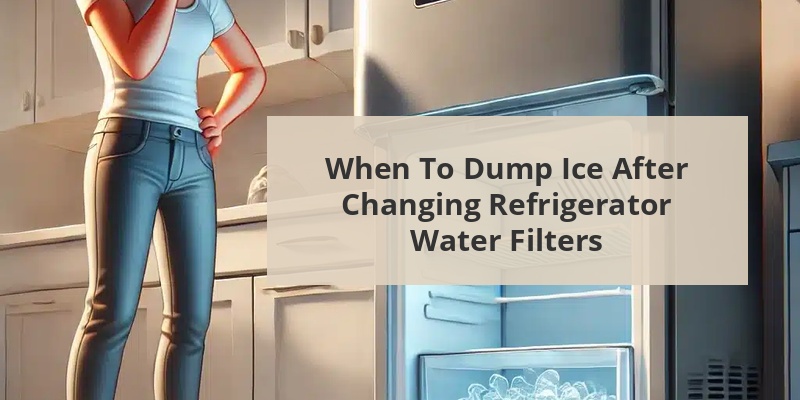
When replacing your refrigerator’s water filter, you might wonder if the ice in your freezer needs to be discarded as well. This is a common question with a nuanced answer. Generally, it’s recommended to dump existing ice after changing your water filter to ensure you’re enjoying the full benefits of your new filter. However, the necessity varies depending on your refrigerator model, filter type, and personal preferences regarding water quality. Understanding when and why to discard ice can help you maintain optimal water and ice quality while maximizing the effectiveness of your new filter.
Most modern refrigerators feature an integrated system where the same water line feeds both the water dispenser and the ice maker. The water filter is typically positioned in this line before it branches to these components. This design means that all water flowing to your ice maker passes through the filter first.
When a filter becomes old or clogged, it can impact both the taste and quality of your water and ice. Contaminants the filter would normally trap may pass through, potentially affecting ice clarity, taste, and odor. Additionally, minerals and particles from an old filter might dislodge during the replacement process, temporarily affecting water quality.
| Component | Function | Relation to Water Filter |
|---|---|---|
| Water Filter | Removes contaminants, improves taste | Primary purification system |
| Water Line | Delivers water to dispenser and ice maker | Carries filtered water |
| Ice Maker | Freezes water into ice cubes | Uses filtered water to produce ice |
When to Dump Ice After Changing a Water Filter
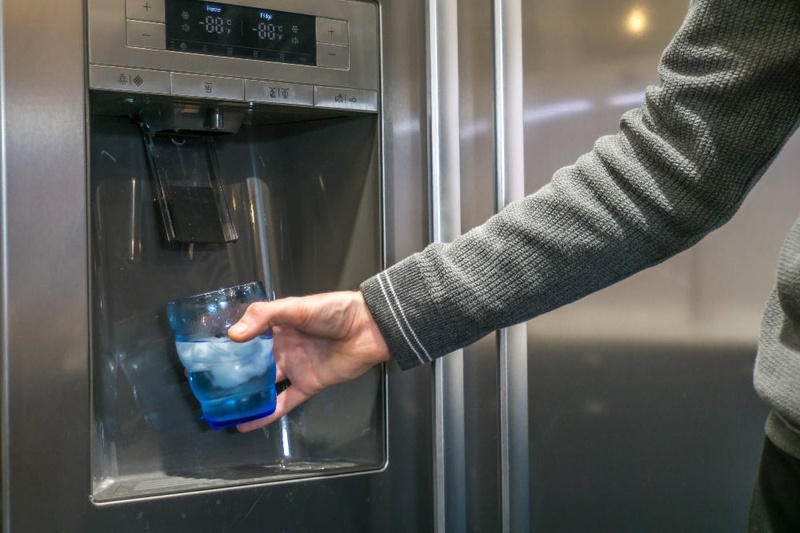
Yes, you should typically dump ice after changing your water filter for several important reasons. First, ice made with the old, potentially less effective filter may contain more impurities or have an off-taste. Second, during filter replacement, air bubbles and carbon particles from the new filter might enter the system, affecting initial water quality.
Most manufacturers recommend discarding the first 1-2 batches of ice after a filter change. This allows the system to flush out any residual particles and ensures the ice is made with fully filtered water. Some premium refrigerator models have an automatic flush cycle after filter changes, but manual dumping is still recommended.
Exceptions to the Rule
Not all situations require dumping ice. If your previous filter was relatively new (replaced as a precaution rather than at end-of-life) and your ice looks and tastes normal, you might choose to keep it. Additionally, if your ice maker operates on a separate water line that doesn’t use the same filter, dumping ice wouldn’t be necessary.
Call 888-896-7031 for Free Local HVAC Quotes – Compare and Save Today!
Different Types of Refrigerator Water Filters

The type of filter in your refrigerator can influence whether dumping ice is necessary. Below is a comparison of common filter types and their implications for ice quality after replacement:
| Filter Type | Filtration Method | Post-Change Recommendations |
|---|---|---|
| Carbon Block | Activated carbon adsorbs contaminants | Dump ice; flush 1-2 gallons of water |
| Carbon Media | Loose carbon particles filter water | Dump ice; higher chance of carbon flushing needed |
| Reverse Osmosis | Membrane filtration removes microscopic contaminants | Usually less flushing needed; still recommend dumping ice |
| Sediment Filters | Removes larger particles only | Minimal flushing needed; ice dumping optional |
Carbon filters typically require more thorough flushing as they can release carbon particles initially. Most refrigerators use carbon-based filtration due to its effectiveness in improving taste and odor, making ice dumping more important with these systems.
Best Practices for Filter Changes
Following these steps during filter replacement will minimize the need for extensive ice dumping and ensure optimal water quality:
- Run water through the dispenser for 3-5 minutes after installation to flush the new filter properly
- Discard the first 1-2 batches of ice made after the filter change
- Check manufacturer guidelines for your specific model’s recommendations
- Consider turning off the ice maker before replacing the filter and reactivating it afterward
- Mark your calendar for the next filter change (typically every 6 months)
Some high-end refrigerators have a specific “filter flush” setting designed to automate this process. If your model has this feature, activate it according to the manufacturer’s instructions rather than manually flushing the system.
Signs Your Ice May Be Affected by a Filter Change
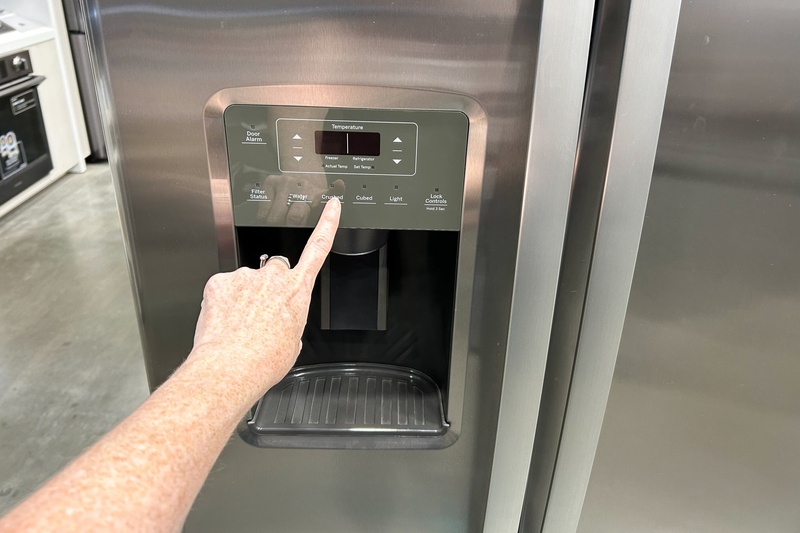
Even if you’ve decided not to dump your ice, watch for these indicators that the ice quality has been compromised:
- Cloudy appearance in ice cubes (beyond normal cloudiness)
- Black specks or particles visible in the ice
- Unusual taste or odor
- Ice that melts faster than normal
- Change in ice color or transparency
If you notice any of these signs, it’s best to empty the ice bin completely and allow the system to produce fresh ice with the new filter. This ensures you’re getting the full benefit of your filter investment and enjoying the best possible ice quality.
Call 888-896-7031 for Free Local HVAC Quotes – Compare and Save Today!
Benefits of Fresh Filters and Clean Ice
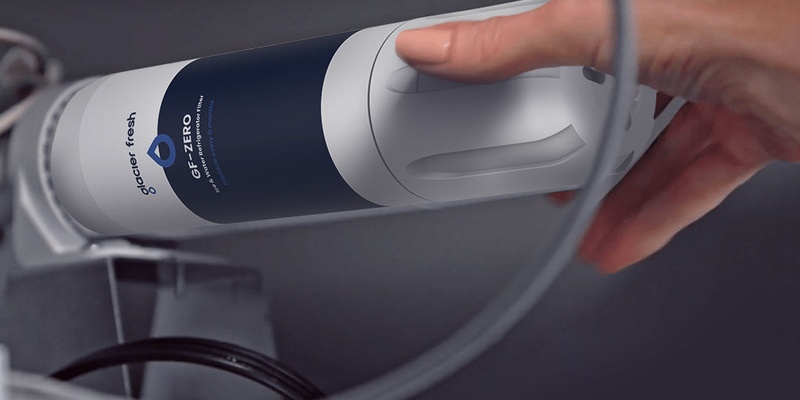
Changing your water filter regularly and dumping old ice offers several advantages that make the minor inconvenience worthwhile:
Improved taste and odor removal is the most immediately noticeable benefit. Fresh filters are more effective at removing chlorine and other chemicals that can affect flavor. Healthier drinking water is another key advantage, as new filters better reduce contaminants like lead, mercury, and certain pesticides that may be present in tap water.
Regular filter changes also contribute to extended appliance life. Clean filters prevent mineral buildup in water lines and ice makers, reducing the risk of clogs and mechanical failures. This preventive maintenance can save substantial repair costs over the life of your refrigerator.
How Long to Wait Before Using New Ice
After changing your water filter and dumping old ice, you might wonder how long to wait before using newly produced ice. Most manufacturers recommend:
- Wait for approximately 24 hours for the first complete batch of new ice
- Allow the ice maker to complete 2-3 cycles for optimal quality
- Consider dumping the very first batch of new ice as it may still contain trace particles
If you’re in a hurry, the first batch of ice is generally safe to consume, but it might not deliver the optimal taste experience that your new filter can provide. Patience yields the best results, especially if your previous filter was significantly overdue for replacement.
Frequently Asked Questions
Can I get sick from not dumping ice after a filter change?
It’s highly unlikely you would become ill from consuming ice made with an old filter. The primary concern is taste and quality rather than safety. However, if your filter change was prompted by contaminated water issues, dumping ice becomes a health precaution rather than merely a quality consideration.
How often should I change my refrigerator water filter?
Most manufacturers recommend changing filters every 6 months or after filtering approximately 200-300 gallons of water. Households with high water usage or poor water quality may need more frequent changes. Many refrigerators have indicator lights that signal when a change is needed based on water volume or time elapsed.
Why does my new filter make the water taste strange?
Initial odd tastes after filter installation are common and usually temporary. This occurs because new carbon filters release small amounts of carbon dust during initial use. Running several gallons of water through the system and dumping the first batch of ice will typically resolve this issue within 24-48 hours.
Tips for Getting the Best HVAC Prices
- Prioritize Quality Over Cost
The most critical factor in any HVAC project is the quality of the installation. Don’t compromise on contractor expertise just to save money. - Check for Rebates
Always research current rebates and incentives — they can significantly reduce your overall cost. - Compare Multiple Quotes
Request at least three estimates before making your choice. You can click here to get three free quotes from local professionals. These quotes include available rebates and tax credits and automatically exclude unqualified contractors. - Negotiate Smartly
Once you've chosen a contractor, use the proven strategies from our guide — How Homeowners Can Negotiate with HVAC Dealers — to get the best possible final price.