
The following guide highlights reliable wall heaters suitable for older homes built in the 1960s or for homeowners restoring vintage interiors who need efficient, compact heating replacements. Each product listing below includes key features and compatibility notes for older wiring, wall can sizing, and thermostat options.
| Product | Type | Notable Feature |
|---|---|---|
| Cadet Com-Pak CSC202TW | Hardwired Electric Wall Heater | Fast heating coil element, thermostat |
| Cadet Com-Pak CSC151TW | 120V Electric Wall Heater | Compact 1500W model for smaller rooms |
| Cadet Energy Plus CEC163TW | Digital Thermostat Wall Heater | Built-in digital thermostat, retrofit-friendly |
| Heat Storm HS-1500-PHX-WIFI | Infrared Wi‑Fi Wall Heater | Smart control and remote, space-saving |
| Broan‑NuTone 9815WH | High Capacity Wall Heater | Adjustable thermostat, convertible 120/240V |
Content Navigation
Cadet Com-Pak CSC202TW Electric Wall Heater
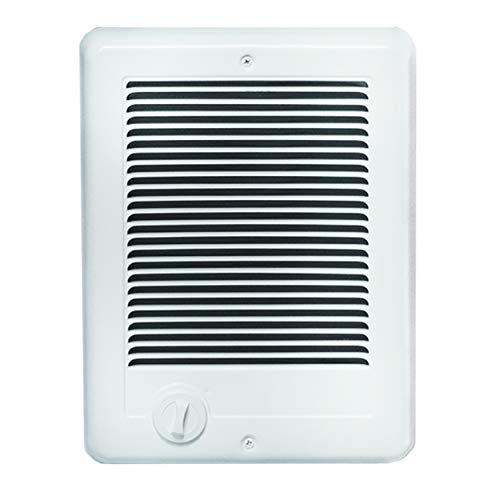
This Cadet Com-Pak model is a complete, hardwired wall heater with a built-in thermostat. The unit uses a fast heating coil element capable of warming areas up to about 200 sq. ft., making it suitable for living rooms, dens, or bedrooms in mid-century homes. Its fan-driven distribution provides efficient and quiet heat spread. The heater includes safety features that shut the unit off if internal temperatures exceed safe limits, aligning with modern safety expectations for older house upgrades.
Compatibility notes: The CSC202TW is rated for 240/208V and offers higher wattage options (2000/1500W). For 1960s homes, confirm existing circuit capacity and junction box depth; some models may require a dedicated circuit or panel capacity check. Ceiling installation is possible for lower-watt models, but this 2000W variant is intended for wall mounting.
Cadet Com-Pak CSC151TW 1500W Wall Heater

The CSC151TW is a 120V, 1500W Cadet Com-Pak designed as a compact replacement heater. Its 5120 BTU heating capacity is typical for bedroom and smaller living area heating needs. The unit is a complete package with a built-in thermostat and is engineered for straightforward installation into standard wall cans often found in older homes.
Call 888-896-7031 for Free Local HVAC Quotes – Compare and Save Today!
Use case: This model suits rooms with existing 120V wiring and limited wall space. The simplicity of the Com-Pak design reduces the need for major wall modifications, an advantage when preserving original wall finishes or trim in 1960s-era interiors. As always, verify the wall box compatibility and circuit breaker rating prior to installation.
Cadet Energy Plus CEC163TW Digital Wall Heater

The Cadet Energy Plus CEC163TW adds a modern digital thermostat while maintaining the compact wall-mounted footprint associated with classic wall heaters. The built-in digital controls and large display provide simple push-button operation without complex programming. It includes thermal safeguard protection to shut the unit down if temperatures exceed safe levels.
Retrofit benefits: This model is designed to use the same wall can as many Cadet Com-Pak units, reducing the need for additional wall cutouts or patchwork when replacing an older 1960s heater. The combination of a digital thermostat with an installation-friendly form factor makes it a practical choice for homeowners seeking upgraded control in period homes.
Heat Storm HS-1500-PHX-WIFI Infrared Wall Heater

The Heat Storm HS-1500-PHX-WIFI is an infrared-style wall-mounted heater with Wi‑Fi connectivity and a touch screen. Its space-saving design preserves floor area and offers smart control via phone apps and voice assistants. The package includes a remote and a digital thermostat, along with tip-over safety and a touch panel for local control.
Call 888-896-7031 for Free Local HVAC Quotes – Compare and Save Today!
Considerations for older homes: Infrared heaters operate differently than coil-and-fan units and can feel subjectively warmer due to radiant heat. The HS-1500 is designed for easy wall mounting; however, confirm wiring requirements for the model and whether hardwiring or plug-in installation is needed. The smart features add convenience for modernized vintage homes.
Broan‑NuTone 9815WH High Capacity Wall Heater

The Broan‑NuTone 9815WH is a high-capacity wall heater with an adjustable front-mounted thermostat and a contemporary white grille. It operates at 1500W and can be converted between 120V and 240V wiring, which is useful when adapting to varied electrical configurations in older homes.
Maintenance and longevity: The heater is permanently lubricated and does not require oiling or disassembly for routine operation. The adjustable thermostat provides simple manual heat control, and the product’s design aims for reliable service in supplemental heating roles common in mid-century residences.
Buying Guide: Choosing Wall Heaters For 1960s Homes
Selecting the right wall heater for a home built in the 1960s involves assessing electrical compatibility, physical fit, heating capacity, safety features, and desired control options. The sections below break down these considerations to help match a modern unit to older construction and wiring practices.
Electrical Compatibility
- Confirm Circuit Voltage: Many 1960s homes have a mix of 120V and 240V circuits. Choose a heater that matches your existing wiring or plan for rewiring if a different voltage is required.
- Breaker Capacity: Verify the breaker and panel capacity before adding a high-wattage device. Dedicated circuits are often recommended for permanent wall heaters.
- Convertible Models: Models that convert between 120V and 240V offer flexibility when original wiring may vary from room to room.
Wall Can And Mounting Fit
- Standard Wall Cans: Many Cadet Com-Pak and Energy Plus units are designed to fit standard wall cans used historically, minimizing the need for drywall patching and trim work.
- Depth And Clearance: Older walls may have less cavity depth; measure can depth and confirm the heater’s mounting requirements.
- Ceiling Mounting: Some lower-watt models allow ceiling installation, but check manufacturer specifications—higher-watt models are usually wall-mounted only.
Heating Performance And Room Size
- BTU/Watt Matching: Estimate room heat loss and match the heater’s BTU or watt rating. Typical 1500W units suit small to medium rooms; higher wattage supports larger spaces.
- Radiant vs Convection: Infrared (radiant) heaters like the Heat Storm provide directional warmth and can feel warmer quickly. Coil-plus-fan units offer circulating warmth for evenly heated spaces.
- Fan Noise And Air Movement: Check fan-assisted models for noise levels if the heater will be used in bedrooms or quiet spaces.
Controls And Convenience
- Built-in Thermostats: Integrated mechanical or digital thermostats simplify installation and provide automatic temperature regulation.
- Smart Features: Wi‑Fi and app control allow remote scheduling and voice commands, useful for homeowners modernizing older properties.
- Manual vs Programmable: Decide between simple manual dials and programmable thermostats based on user comfort and energy goals.
Safety And Certification
- Overheat Protection: Ensure the unit includes thermal safeguards that switch the heater off if temperatures are excessive.
- Tip‑Over And Wall Mount Safety: Confirm mounting hardware and installation procedures to meet wall-mounted safety standards.
- Certifications: Look for recognized safety certifications indicating compliance with current electrical and safety codes.
Installation And Retrofit Considerations
- Professional Assessment: For homes with older knob-and-tube wiring or limited panel capacity, consult a licensed electrician before installation.
- Reuse Existing Wall Cans: Products explicitly designed to fit common Com-Pak wall cans reduce carpentry work when replacing original 1960s heaters.
- Trim And Aesthetics: Choose grille colors and styles that complement mid-century interior finishes when maintaining period-appropriate appearances.
Energy Efficiency And Operating Cost
- Wattage vs Run Time: Lower-watt units use less power per hour, but thermostat control and insulation levels heavily influence runtime and cost.
- Eco Modes And Precision Thermostats: Digital and smart models can maintain tighter temperature control and reduce wasted energy.
- Zoned Heating Strategy: Use wall heaters to provide zoned supplemental heat rather than relying on a whole-house system for lower operating costs.
Comparison Perspectives
- Traditional Coil Units (Cadet, Broan): Known for ruggedness and retrofit-friendly wall-can compatibility; often preferred when matching original installation methods.
- Digital Thermostat Units (Cadet Energy Plus): Offer modern control and easier temperature accuracy while still fitting traditional mounting points.
- Infrared/Smart Units (Heat Storm, Dreo): Provide rapid radiant warmth and smart scheduling; may require different mounting or wiring approaches.
- No-Maintenance Design: Look for permanently lubricated motors and sealed heaters to reduce maintenance needs in older homes.
Final selection should be guided by room size, existing electrical infrastructure, preferred control options, and whether you prioritize maintaining period-accurate wall installations. For any replacement in a 1960s home, verify the heater’s fit with existing wall cans and consult an electrician for safe, code-compliant installation.
Tips for Getting the Best HVAC Prices
- Prioritize Quality Over Cost
The most critical factor in any HVAC project is the quality of the installation. Don’t compromise on contractor expertise just to save money. - Check for Rebates
Always research current rebates and incentives — they can significantly reduce your overall cost. - Compare Multiple Quotes
Request at least three estimates before making your choice. You can click here to get three free quotes from local professionals. These quotes include available rebates and tax credits and automatically exclude unqualified contractors. - Negotiate Smartly
Once you've chosen a contractor, use the proven strategies from our guide — How Homeowners Can Negotiate with HVAC Dealers — to get the best possible final price.