
Looking For A Reliable 20,000 BTU Propane Heater? This guide compares vent-free blue flame and radiant models designed to heat small to mid-size spaces. Below is a quick summary table of the most relevant 20,000 BTU propane heaters reviewed in this article.
| Product | Type | Key Feature |
|---|---|---|
| Mr. Heater MHVFBF20LPT | Vent-Free Blue Flame | Thermostat, ODS Safety, 0.926 lbs/hr |
| ProCom ML200TBA-B | Ventless Blue Flame | Thermostat Control, Wall Or Floor Mount |
| Dyna-Glo Signature Series | Vent-Free Blue Flame | Adjustable 16k–20k BTU, Convection Heat |
| Mr. Heater Vent Free Radiant Dual Fuel | Radiant Vent-Free (Dual Fuel) | Radiant Heat, Dual Fuel Compatibility |
| Mr. Heater MHVFDF20BFT | Vent-Free Dual Fuel Blue Flame | Dual Fuel, ODS, Two-Step Fuel Connection |
Mr. Heater MHVFBF20LPT 20,000 BTU Blue Flame Vent Free Propane Heater
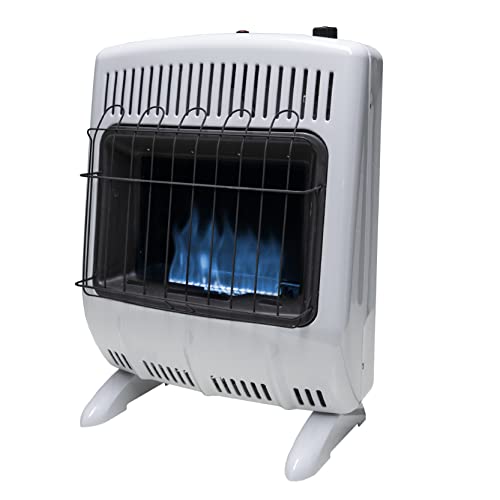
This vent-free wall-mounted heater Provides Up To 20,000 BTUs, suitable for rooms up to about 700 sq. ft. The unit uses a blue flame burner that convects heat, producing even warmth without venting to the outside. The heater includes a built-in thermostat and a battery-powered electronic ignition for reliable startup; a battery is included.
Safety features include an Oxygen Depletion Sensor (ODS) that shuts the unit off if oxygen levels drop below safe limits. Fuel consumption is listed at 0.926 lbs/hr, and the model is rated for operation at elevations up to 4,500 ft. This heater is designed for indoor supplemental heat in additions, cabins, garages, or sunrooms.
ProCom ML200TBA-B Ventless Propane Gas Blue Flame Space Heater

The ProCom ML200TBA-B Is A Ventless Blue Flame heater with a maximum output of 20,000 BTU and an advertised coverage up to 950 sq. ft. It offers High/Medium/Low thermostat control for flexible heat output and a slim design that can be wall-mounted or placed on the floor using the included base feet.
Call 888-896-7031 for Free Local HVAC Quotes – Compare and Save Today!
Its compact form factor is intended for residential rooms, offices, or living spaces where a vent-free propane option is preferred. The unit emphasizes dependable thermostat control and straightforward installation with included hardware. As a ventless model, it relies on indoor air for combustion and should be installed following local codes and ventilation guidelines.
Dyna-Glo Signature Series 20,000 BTU Liquid Propane Blue Flame Thermostatic Vent Free Wall Heater

The Dyna-Glo Signature Series Offers Variable Heat Output from 16,000 to 20,000 BTU/hr with a blue flame design that convects heat similarly to central heating. It is labeled liquid propane ready and provides even room warming through convection currents rather than direct radiant heat.
This model is presented as a vent-free wall heater suitable for spaces up to roughly 700 sq. ft. The thermostat control enables set-and-forget operation, while the blue flame burner aims for efficient combustion. Users should note fuel conversion limitations and follow manufacturer guidance on installation and fuel type.
Mr. Heater 20,000 BTU Vent Free Radiant Dual Fuel Heater

This Mr. Heater Model Is A Vent-Free Radiant unit Offering 20,000 BTU Output With Dual Fuel Capability (propane and natural gas). Radiant heaters heat objects and people directly, which can feel warmer at lower air temperatures compared to convection units.
Call 888-896-7031 for Free Local HVAC Quotes – Compare and Save Today!
Safety and convenience features include Dual LP/NG Low Oxygen Detection Systems, thermostatic control for precise settings, and a battery-operated electronic spark ignition. The dual fuel design provides flexibility for installations where either propane or natural gas is available; confirm local code compliance before choosing fuel type.
Mr. Heater MHVFDF20BFT Vent Free Blue Flame Dual Fuel Natural Gas And Propane Heater

The MHVFDF20BFT Is A 20,000 BTU Vent-Free Blue Flame Heater Capable Of Running On Propane Or Natural Gas. It’s Rated For Heating Areas Up To About 700 sq. ft. and functions at elevations up to 4,500 ft.
Notable features include an automatic low oxygen shut-off system (ODS), a patented two-step fuel connection to reduce wrong-fuel hook-ups, and a fuel-type selector knob. Fuel consumption is listed around 0.926 lbs/hr on propane. The design emphasizes even convection heating and safety interlocks for indoor installation.
Buying Guide: Choosing The Right 20,000 BTU Propane Heater
Selecting a propane heater involves evaluating performance, safety, installation needs, and long-term operating factors. The following sections cover the most important considerations for American homeowners and DIY installers.
Heating Capacity And Room Size
BTU Rating Versus Space: A 20,000 BTU heater typically suits spaces from about 400 to 950 sq. ft. depending on insulation, ceiling height, and climate. Use higher coverage estimates only for well-insulated rooms and milder climates. For garages, cabins, or uninsulated rooms, expect effective coverage at the lower end of the range.
Vent-Free Blue Flame Versus Radiant
- Vent-Free Blue Flame (Convection): Heats air by convection for even temperature distribution. Works well for whole-room heating and sustained background warmth.
- Radiant Heaters: Warm people and objects directly and may feel warmer even when ambient air is cooler. Useful for garages, workshops, or situations where quick direct warmth is desired.
Fuel Type And Dual Fuel Options
Propane-Only Models are simple if you use LPG cylinders. Dual Fuel Models add flexibility if natural gas is an option later or available on-site. Confirm that installations and conversions comply with local codes and that the unit’s fuel connections and selector features are used correctly.
Safety Features
- Oxygen Depletion Sensor (ODS): Shuts off the heater if indoor oxygen levels drop—essential for vent-free units.
- Tip-Over And Flame Sensors: Relevant for portable units.
- Two-Step Fuel Connection: On dual fuel models, helps prevent wrong-fuel hook-ups.
Controls And Ignition
Thermostatic Control allows automated temperature regulation, improving comfort and efficiency. Electronic or battery-powered ignitions provide reliable startups versus standing pilot lights. For off-grid or remote use, consider units with manual piezo ignition.
Installation And Clearance Requirements
Vent-free heaters must be installed with required clearances to combustibles and in locations meeting local building codes. Wall-mounted units need suitable framing and mounting hardware. For safety and code compliance, professional installation is often recommended, especially for dual fuel or hard-piped units.
Indoor Air Quality And Vent-Free Considerations
Vent-free heaters burn fuel indoors and discharge combustion products into the room. Ensure adequate ventilation, avoid use in tightly sealed spaces without fresh air sources, and be cautious around people with respiratory issues. Regular maintenance and following manufacturer operation limits help minimize indoor air impacts.
Elevation And Performance
Some models are rated for high-elevation operation (e.g., up to 4,500 ft). At higher elevations, combustion characteristics change, which may require specific models or adjustments. Check the manufacturer’s specs for elevation ratings and guidance.
Durability, Warranty, And Replacement Parts
Consider the brand’s warranty, availability of replacement parts (thermostats, igniters, burners), and customer support. Established HVAC brands typically offer broader service networks and parts availability.
Installation Scenarios And Use Cases
- Basements, Garages, Workshops: Radiant or vent-free units can provide efficient supplemental heat—choose based on whether you want object-focused warmth or whole-room convection.
- Cabins And Additions: Blue flame vent-free heaters deliver stable convection heat for living spaces.
- Temporary Or Mobile Use: Portable propane heaters are best for short-term or outdoor use; they often include tip-over protection and piezo igniters.
Maintenance And Seasonal Storage
Regularly inspect burners, pilot assemblies, and connections for soot, corrosion, or leaks. Shut off and disconnect propane during extended storage. Follow manufacturer cleaning schedules for consistent performance and safety.
Comparison Perspectives
Efficiency: Blue flame models tend to provide efficient convection heating for closed rooms, while radiant units can feel warmer at lower air temperatures for targeted heating.
Safety: Look for ODS-equipped vent-free models; dual fuel units should have features preventing wrong-fuel hookups. Proper installation and adherence to clearances are critical.
Flexibility: Dual fuel models add versatility where natural gas is or may become available. Wall-mount units free floor space, while floor/base models offer portability.
Installation Complexity: Hard-piped or permanently mounted units generally require professional installation. Freestanding or base-mounted units can be easier but still require proper ventilation and adherence to codes.
Final Note: When choosing a 20,000 BTU propane heater, balance the type of heat (convection vs radiant), safety features (ODS, fuel safeguards), intended space size, and installation constraints. Always follow manufacturer instructions and local building codes for installation and operation.
Tips for Getting the Best HVAC Prices
- Prioritize Quality Over Cost
The most critical factor in any HVAC project is the quality of the installation. Don’t compromise on contractor expertise just to save money. - Check for Rebates
Always research current rebates and incentives — they can significantly reduce your overall cost. - Compare Multiple Quotes
Request at least three estimates before making your choice. You can click here to get three free quotes from local professionals. These quotes include available rebates and tax credits and automatically exclude unqualified contractors. - Negotiate Smartly
Once you've chosen a contractor, use the proven strategies from our guide — How Homeowners Can Negotiate with HVAC Dealers — to get the best possible final price.