
Choosing The Right Camper Gas Heater depends on whether you need space heating or on-demand hot water for an RV or camper. Below is a quick comparison of selected products covering portable radiant heaters, tankless on-demand units, and a 6-gallon hybrid tank model.
| Product | Type | Key Benefit |
|---|---|---|
| Mr. Heater Portable Buddy MH9BX | Portable Propane Radiant Heater | Direct radiant heat for up to 225 sq. ft.; indoor-safe |
| RUNSAIL RV Tankless Water Heater 65,000 BTU | Tankless Propane Water Heater | Endless hot water; built-in pressure relief & safety |
| KINGRVER 65,000 BTU Tankless Water Heater | Tankless Propane Water Heater | Low-pressure activation; high-altitude and freeze protection |
| KINGRVER HybridShower 6 Gallon | Gas & Electric 6-Gallon Tank Heater | Dual-fuel flexibility; direct replacement fit for many RVs |
| DARTMOOR 65,000 BTU Tankless | Tankless Propane Water Heater | Stable temperature control and multiple safety protections |
Content Navigation
Mr. Heater Portable Buddy Heater MH9BX
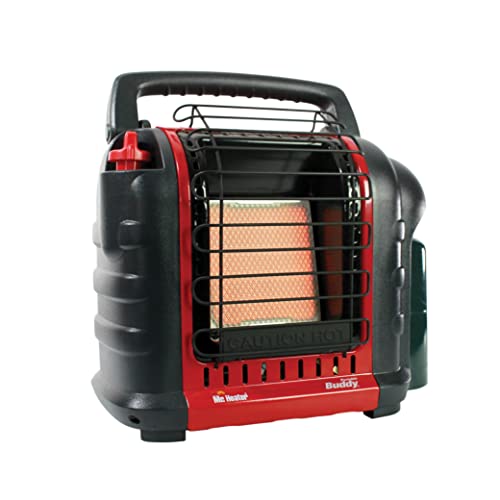
This portable propane radiant heater uses infrared technology to deliver direct, sun-like warmth to people and objects rather than just heating the air. Adjustable between 4,000 and 9,000 BTU, it is rated to heat spaces up to about 225 sq. ft., making it suitable for tents, small campers, and enclosed porches. The unit features a Piezo igniter for spark ignition without matches or batteries.
Safety features include an improved tip-over safety switch that audibly engages if the unit is tipped or jarred. As an indoor-safe radiant heater, it is designed to operate with propane while meeting ventilation and safety limits for small spaces when used as directed. The heater’s compact design supports portability for workshop or campsite use.
RUNSAIL RV Tankless Propane Water Heater
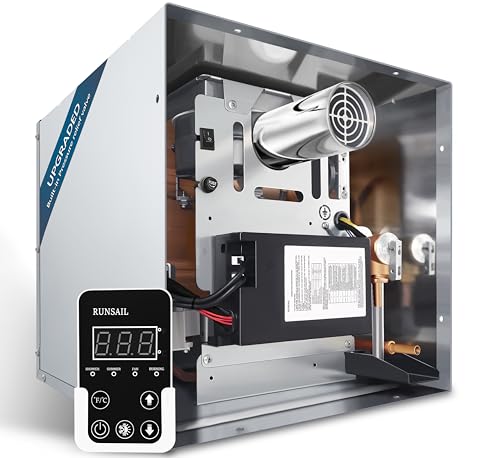
The RUNSAIL tankless unit provides on-demand hot water with a powerful 65,000 BTU burner and up to 3.96 GPM flow capacity. As a tankless system, it eliminates the wait for water to reheat and is suitable for continuous showers when propane and water supply are adequate.
Call 888-896-7031 for Free Local HVAC Quotes – Compare and Save Today!
Built-in safety features include a pressure relief valve compliant with ANSI & CSA standards, upgraded pressure-bearing capacity for the waterway system, and simplified installation without a separate relief valve. These features prioritize safety and reliability while aiming to reduce maintenance issues like frequent dripping from relief valves.
KINGRVER 65,000 BTU RV Tankless Water Heater

This KINGRVER tankless heater offers 65,000 BTU output with a low 0.5 GPM activation threshold, enabling reliable hot water at low inlet pressures. It’s designed to fit a standard 12.7″ x 12.7″ opening, with optional door kits in three sizes for refitment, making it compatible with many RV setups.
Engineered for high-altitude operation and featuring automatic freeze protection below 42.8°F, the unit is intended for colder environments and mountainous travel. The product emphasizes stable operation at elevations above 9,800 feet and ease of replacement for existing RV tank units.
KINGRVER HybridShower 6 Gallon RV Water Heater

The KINGRVER HybridShower is a 6-gallon gas and electric water heater designed as a direct replacement for many Suburban and Dometic units. With a porcelain-lined steel tank and built-in anode rod, the model focuses on corrosion protection and simplified maintenance.
Call 888-896-7031 for Free Local HVAC Quotes – Compare and Save Today!
Dual-fuel capability allows propane-only operation for off-grid use, electric-only when shore power or a generator is available, and a boost mode using both to speed recovery. This flexibility suits users who alternate between boondocking and campground hookups and need predictable recovery times for consecutive showers.
DARTMOOR 65,000 BTU RV Tankless Water Heater
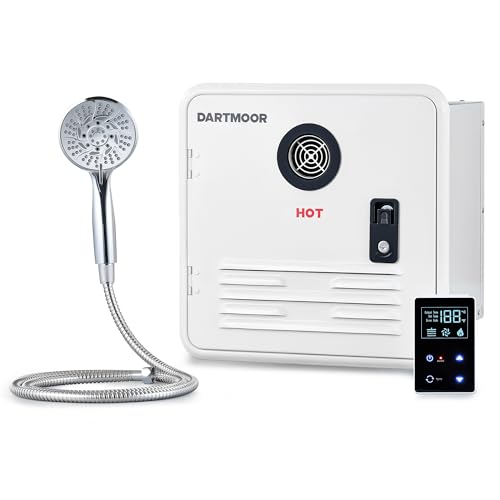
DARTMOOR’s tankless heater supplies 65,000 BTU with a rated 2.4 GPM flow and staged combustion technology for stable temperature control up to 124°F. The unit includes a showerhead kit and a 15″x15″ door option for a ready retrofit installation on many RVs.
Safety and reliability are emphasized with dry heating, flameout, overheat, overpressure, and anti-freeze protection, along with self-diagnostic error codes. The unit’s altitude-capable design supports usage at elevations up to about 9,840 ft, making it suitable for mountain travel and high-elevation camping.
Buying Guide: How To Choose A Camper Gas Heater
Selecting the right gas heater for a camper requires assessing your heating goals, installation constraints, and safety priorities. Below are the key considerations and comparison perspectives to guide purchase decisions.
Tips for Getting the Best HVAC Prices
- Prioritize Quality Over Cost
The most critical factor in any HVAC project is the quality of the installation. Don’t compromise on contractor expertise just to save money. - Check for Rebates
Always research current rebates and incentives — they can significantly reduce your overall cost. - Compare Multiple Quotes
Request at least three estimates before making your choice. You can click here to get three free quotes from local professionals. These quotes include available rebates and tax credits and automatically exclude unqualified contractors. - Negotiate Smartly
Once you've chosen a contractor, use the proven strategies from our guide — How Homeowners Can Negotiate with HVAC Dealers — to get the best possible final price.
1. Identify Intended Use
- Space Heating: Portable radiant heaters like the Mr. Heater MH9BX provide quick, targeted warmth for occupants and nearby surfaces. Choose these for short-duration warmth in small campers, tents, or add-on covered porches.
- Water Heating: Tankless or tank water heaters supply hot water for showers, dishes, and sinks. Tankless units provide continuous hot water on demand; tank units offer stored capacity and simpler recovery planning.
2. Fuel Type And Availability
- Propane: Most portable and RV water heaters use propane for heating. Confirm cylinder size and regulator compatibility for portable heaters and proper tank lines for built-in units.
- Electric Or Dual-Fuel Options: Hybrid or electric-capable water heaters let you use shore power to save propane when available. Evaluate whether campground hookups or a generator will be frequently accessible.
3. Heating Capacity And Space Size
- For space heaters, compare BTU output vs. square footage. A 4,000–9,000 BTU portable unit is suitable for small camper interiors; larger spaces need fixed heaters or multiple units.
- For water heaters, choose GPM (gallons per minute) ratings and BTU output that match your usage pattern—higher GPM supports simultaneous showers or faster fill/drain cycles.
4. Safety Features
- Tip-Over And Flameout Protection: Essential for portable space heaters to prevent accidental fires.
- Pressure Relief Valve & Certifications: Tankless and tank units should meet ANSI/CSA or equivalent standards and have built-in pressure relief or compliance-ready ports.
- Freeze Protection: Automatic heaters or thermostatic controls help avoid frozen pipes in cold climates.
5. Installation And Fitment
- Physical Dimensions: Check required door cutout sizes for replacement tankless units and clearance for ventilation.
- Ventilation Requirements: Fixed gas appliances need proper venting and exhaust routing. Portable radiant heaters require adequate fresh air and should be used per manufacturer instructions.
- DIY vs. Professional Install: Many RV water heaters can be installed by a competent DIYer, but gas line connections and vent routing generally benefit from professional inspection or installation.
6. Performance In Altitude And Cold
- Tankless units rated for high altitude are useful for mountain travel. Check altitude limits and whether the combustion system compensates for thinner air.
- Freeze protection matters for overnight low temps; some units have automatic anti-freeze modes or require electrical power to prevent freezing.
7. Maintenance And Longevity
- Anode Rods & Corrosion Protection: For tank models, replaceable anode rods extend tank life.
- Descaling: Tankless systems benefit from periodic descaling where water hardness is high.
- Service Access: Consider ease of access for diagnostics, filters, and burner inspection.
8. Noise, Comfort, And Temperature Stability
- Radiant vs. Convective Heat: Radiant heaters warm people and objects directly, often perceived as quicker and more comfortable in small spaces.
- Staged Combustion & Controls: Tankless units with staged combustion or microcomputer controls maintain more consistent outlet temperatures and can reduce propane consumption during light loads.
9. Comparative Perspectives
- Portability vs. Permanence: Portable propane radiant heaters are flexible but require monitoring. Built-in heaters offer integrated venting and hands-off operation.
- Tankless vs. Tank: Tankless supplies continuous hot water and saves space; tank units offer predictable immediate capacity and often simpler control systems.
- Initial Complexity vs. Operational Simplicity: Tankless installations are more complex but can be more efficient long-term. Tank models often require less advanced controls and can be easier to troubleshoot.
10. Final Selection Checklist
- Confirm the primary function: space heating or hot water.
- Match BTU and GPM ratings to your camper size and usage.
- Verify venting, installation space, and door/cutout dimensions.
- Check safety certifications, freeze protection, and altitude ratings.
- Plan for maintenance: anode rods, descaling, and access for repairs.