
Keeping a koi pond healthy through freezing weather requires reliable de-icing and temperature control. Below is a concise comparison of five pond heaters that target ice-free zones, oxygen exchange, and fish safety. The table summarizes core specs to help you compare features quickly.
| Product | Type | Thermostat | Power/Range |
|---|---|---|---|
| Farm Innovators 1250W Floating De-Icer | Floating Cast Aluminum | Built-In Thermostat | 1250W — For larger ponds |
| HITOP Outdoor Pond Heater (600W model) | Floatable Foam De-Icer | Constant Temp 68–72°F | 600W — For small to medium ponds |
| Pennington Aquagarden Ice Vent | Ice Vent / Surface De-Icer | Thermostat Controlled | Rated For Ponds Up To 1200 Gal |
| Laguna PowerHeat 315W Floating De-Icer | Floating Thermostat De-Icer | Integrated Thermostat | 315W — LED Indicator, 22 ft Cord |
| K&H Pet Products 750W Stock Tank Deicer | Floating/Submersible Deicer | Thermostatically Controlled | 750W — Multi-use for tanks & ponds |
Content Navigation
- Farm Innovators 1250W 7.5 Inch Cast Aluminum Floating Pond De Icer Heater
- HITOP Outdoor Pond Heater 600W Floatable De-Icer
- Pennington Aquagarden Ice Vent Pond Heater For Ponds Up To 1200 Gallons
- Laguna PowerHeat 315W Floating Pond Heater With Thermostat
- K&H Pet Products 750W Ultimate Stock Tank & Pond Heater
- Buying Guide: Choosing The Right Koi Pond Heater
Farm Innovators 1250W 7.5 Inch Cast Aluminum Floating Pond De Icer Heater

This unit Is Designed To Float On The Pond Surface To Maintain An Open Hole In Ice, Supporting Gas Exchange And Oxygen Entry For Fish During Cold Periods. Constructed From Patented Cast Aluminum For Improved Heat Transfer And Durability, The Heater Targets Localized De-Icing Rather Than Raising Entire Pond Temperature.
The Built-In Thermostat Controls Operation To Run Only When Necessary, Reducing Energy Waste. The Compact Design Simplifies Installation And The 10-Foot Cord Offers Flexible Placement Near Shore. For ponds needing a robust floating de-icer, This Model Emphasizes efficiency and weather resistance through its aluminum housing and thermostat management.
HITOP Outdoor Pond Heater 600W Floatable De-Icer

The HITOP 600W Model Is Marketed For Rapid Local Heating Around The Unit To Keep A Hole In The Ice So Fish Can Breathe. The Manufacturer Notes Heating Coverage Of Approximately 80–160 Gallons Near The Heater, With Suggested Suitability Up To ~160–320 Gallons Depending On Outdoor Conditions.
Call 888-896-7031 for Free Local HVAC Quotes – Compare and Save Today!
Key Features Include A Floatable Black Foam Collar To Keep The Unit On The Surface And Off Pond Mud, And An Intelligent Constant Temperature Feature That Maintains Water Immediately Around The Heater At 68–72°F. This Model Is Intended For Smaller Ponds Where A Floating, Thermostatic De-Icer Is Preferred And Quick Localized Melting Is Desired.
Pennington Aquagarden Ice Vent Pond Heater For Ponds Up To 1200 Gallons

The Pennington Aquagarden Ice Vent Is Designed To Create An Ice-Free Zone On The Pond Surface, Allowing Toxic Gases To Escape And Oxygen To Enter The Water Column. It Is Advertised As Being Safe For All Pond Types Including Plastic Liners, And Claims Coverage For Ponds Up To 1200 Gallons.
This Unit Focuses On winter protection By preventing complete ice closure and supporting aquatic life during cold spells. Thermostat control helps it operate only as needed. The product is positioned as a safe, general-purpose de-icer rather than a full-pond heating solution.
Laguna PowerHeat 315W Floating Pond Heater With Thermostat

The Laguna PowerHeat De-Icer Is A Thermostat-Controlled Floating Unit With A Highly Visible LED Pilot Light And An Integrated Safety Thermostat That Shuts Off On Overheat To Protect Internal Components. Rated To Function In Temperatures Down To 20°F, It Is Intended For Small To Medium Ponds Requiring Reliable Surface Thawing.
Call 888-896-7031 for Free Local HVAC Quotes – Compare and Save Today!
The 22-Foot Cord Provides Placement Flexibility, And The Design Emphasizes Safety For Plastic And Liner Ponds. The Unit Focuses On Creating Local Ice-Free Areas Rather Than Warming Entire Pond Volumes, Making It Suitable For Typical Koi Pond De-Icing Needs.
K&H Pet Products 750W Ultimate Stock Tank & Pond Heater
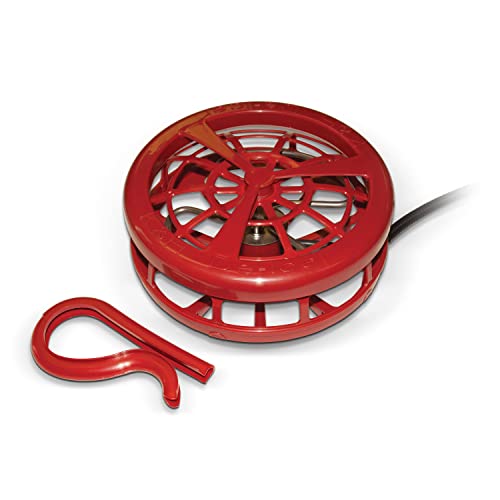
The K&H Ultimate Deicer Is Presented As A Dual-Purpose Floating Or Submersible Heater Designed For Stock Tanks But Often Used For Ponds And Troughs. It Is Thermostatically Controlled To Cycle On And Off As Needed And Includes A Full Cage And Cord Clip For Safety And Secured Placement.
Available In Multiple Wattages, The 750W Model Offers Higher Output For Larger Or More Exposed Water Containers. Manufacturer Notes Include Safety Listings And A Two-Year Warranty. The Unit Is Marketed For Energy Efficiency And Versatile Application Where A Robust, Multi-use De-Icer Is Preferred.
Buying Guide: Choosing The Right Koi Pond Heater
This guide covers the primary considerations when selecting a pond heater for koi ponds, focusing on safety, coverage, and winter management strategies.
Heater Type And Placement
- Floating De-Icers — Create a local ice-free zone at the surface for gas exchange. Best For Most Koi Ponds Where Only An Opening Is Needed.
- Submersible/Stock Tank Heaters — Can be used submerged to keep water moving near intakes; suitable for troughs and small ponds. Verify suitability for pond liners and koi safety.
- Ice Vents — Designed specifically to allow harmful gases to escape and oxygen in. Useful For Larger Ponds Where Targeted Venting Is A Priority.
Power, Pond Size, And Coverage
- Match Wattage To Pond Exposure: More exposed, colder environments require higher wattage to maintain an open hole. Use manufacturer guidance for gallon coverage but plan conservatively for severe cold.
- Local vs Whole-Pond Heating: Most pond heaters are intended to keep an ice-free zone rather than heat the entire pond. If whole-pond heating is required, consult a pond professional for appropriate systems.
Thermostat And Controls
- Thermostat-Controlled Units Reduce Energy Use By Operating Only When Necessary. Look For Units With Reliable Temperature Range Settings.
- Constant-Temperature Designs Are Useful For Maintaining A Specific Local Temperature Range Around The Heater, But Verify That The Setpoint Matches Your Needs For Koi Oxygen Exchange.
Materials, Safety, And Pond Compatibility
- Construction Materials — Cast aluminum and plated housings offer efficient heat transfer and durability. Ensure materials are safe for koi and pond liners.
- Caging And Mounting — Stock tank-style units often include protective cages and cord clips. For ponds with wildlife or children, a cage reduces contact risk.
- Look For Overheat Protection And Safety Listings To Minimize Failure Risk And Electrical Hazards.
Installation And Cord Length
- Verify Cord Length And Shore Access. Longer Cords Increase Placement Flexibility And Reduce Need For Extension Cables.
- Floating Units Should Remain Off The Bottom To Avoid Contact With Mud, Which Can Reduce Effectiveness.
Maintenance And Winter Best Practices
- Regularly Check The Heater And Cord For Damage, Especially After Storms Or Ice Movement.
- Keep An Eye On Ice Buildup And Confirm The Unit Maintains An Open Hole. If Ice Closes Over, Reposition Or Inspect Functionality.
- Pair A De-Icer With Aeration Or Water Movement Strategies To Improve Oxygen Levels And Reduce Toxic Gas Accumulation.
Comparison Perspectives
- Coverage Vs Efficiency — High-wattage units offer greater coverage but use more power. Thermostatic operation can balance energy use with protection needs.
- Durability Vs Cost — Cast aluminum and professionally-caged units typically last longer in harsh weather. Evaluate long-term durability for frequently freezing climates.
- Versatility — Stock tank models offer multi-use applications (troughs, bird baths) while pond-specific de-icers prioritize surface ventilation for ponds and liners.
When selecting a pond heater for koi, prioritize safety features, appropriate wattage for your pond’s exposure, and a design that creates an ice-free surface area for oxygen exchange. Consider pairing any heater with aeration and routine winter checks to maintain a healthy environment for koi during freezing conditions.
Tips for Getting the Best HVAC Prices
- Prioritize Quality Over Cost
The most critical factor in any HVAC project is the quality of the installation. Don’t compromise on contractor expertise just to save money. - Check for Rebates
Always research current rebates and incentives — they can significantly reduce your overall cost. - Compare Multiple Quotes
Request at least three estimates before making your choice. You can click here to get three free quotes from local professionals. These quotes include available rebates and tax credits and automatically exclude unqualified contractors. - Negotiate Smartly
Once you've chosen a contractor, use the proven strategies from our guide — How Homeowners Can Negotiate with HVAC Dealers — to get the best possible final price.