
Finding the right heater for a cabin means balancing warmth, safety, fuel source, and noise. Below is a concise comparison of five products that suit a variety of cabin setups — from off-grid propane solutions to electric infrared units and cozy bedding that improves perceived warmth.
| Product | Type | Key Strength |
|---|---|---|
| Mr. Heater MHVFBF20LPT | Vent Free Propane Wall Heater | High BTU Output For Larger Cabins |
| Dr Infrared Heater Portable (1500W) | Electric Infrared + Convection | Quiet Dual Heating With Remote |
| Mr. Heater Portable Buddy MH9BX | Portable Propane Radiant Heater | Direct Radiant Heat For Small Areas |
| Xtreme Heaters Boat, Cabin, & RV Heater | Electric Compact Space Heater | Low Profile, Tip‑Over Safety |
| Flannel Sheets Warm And Cozy | Bedding / Comfort Accessory | Improves Sleep Warmth Without Extra Energy |
Content Navigation
- Mr. Heater MHVFBF20LPT 20,000 BTU Vent Free Propane Heater
- Dr Infrared Heater Portable Space Heater, 1500-Watt
- Mr. Heater Portable Buddy MH9BX 4,000-9,000 BTU Radiant Heater
- Xtreme Heaters Boat, Cabin, & RV Heater
- Flannel Sheets Warm And Cozy Deep Pocket Bedding Set
- Buying Guide: Choosing The Right Cabin Heater
Mr. Heater MHVFBF20LPT 20,000 BTU Vent Free Propane Heater
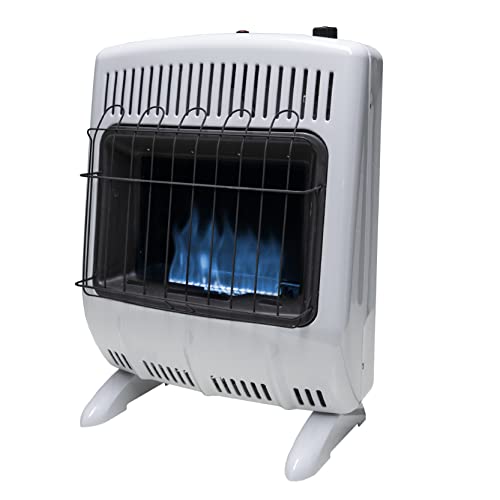
This wall-mounted vent-free propane heater delivers up to 20,000 BTUs, designed to warm spaces up to about 700 sq. ft. The unit operates reliably at elevations up to 4,500 ft, which is relevant for many cabin locations.
Key features listed include a built-in thermostat for accurate temperature control and a battery-powered electronic ignition for easy startup. Fuel consumption is specified at approximately 0.926 lbs per hour.
Safety is addressed by a factory-standard Oxygen Depletion Sensor (ODS), which shuts off the heater automatically if oxygen levels drop. As a vent-free product, indoor air quality considerations and local codes should be reviewed before installation.
Dr Infrared Heater Portable Space Heater, 1500-Watt
Call 888-896-7031 for Free Local HVAC Quotes – Compare and Save Today!
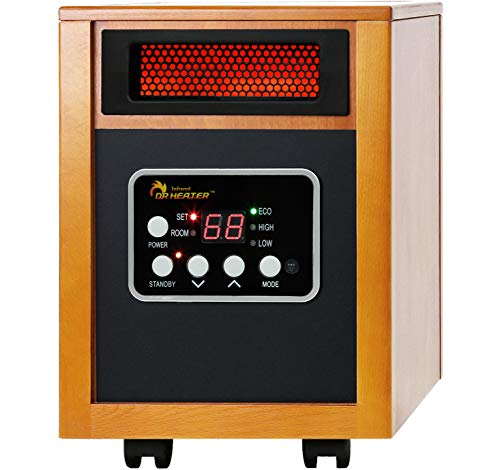
The Dr Infrared unit combines infrared quartz tubes with a PTC heating element to create a dual heating system that yields more effective room warmth than many single-method heaters.
Features include an auto energy-saving mode, high/low settings, remote control, and a 12-hour automatic shut-off timer. Built-in safety functions include tip-over and overheat protection. The manufacturer rates output roughly equivalent to 5,200 BTU.
This electric option is suited to cabi ns with reliable electrical supply and where quiet operation is a priority; the unit lists a blower noise level around 39 dB. The combination of radiant and convection heating often improves perceived warmth while reducing runtime.
Mr. Heater Portable Buddy MH9BX 4,000-9,000 BTU Radiant Heater
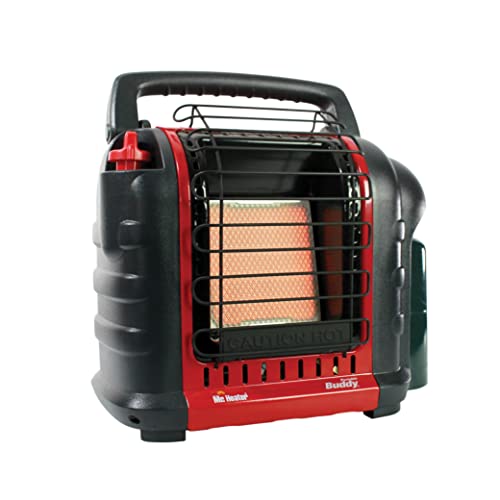
The Portable Buddy offers adjustable BTU settings from 4,000 to 9,000, producing direct radiant heat that warms people and objects rather than primarily heating air. It’s effective for areas up to about 225 sq. ft.
Notable features include a durable Piezo igniter that doesn’t require batteries, an improved tip-over safety switch that audibly engages if disturbed, and a compact footprint making it practical for workshops, campers, and small cabin rooms.
Call 888-896-7031 for Free Local HVAC Quotes – Compare and Save Today!
As a propane radiant heater, it excels at quick, targeted warmth and portability. Users should consider propane supply logistics, ventilation, and applicable indoor-use guidelines when deploying this type of unit.
Xtreme Heaters Boat, Cabin, & RV Heater

The Xtreme Heaters unit is described as a compact, low-profile electric space heater tailored for boats, RVs, and cabins. Its design draws air from the top so it can sit near walls or on carpet safely.
Key listed features include a stable base, quiet operation, and an automatic tip-over switch that cuts power if the unit falls. The unit’s low profile and quiet fan make it suitable where noise and space constraints matter.
Because it’s electric, the heater is straightforward to operate in grid-connected cabins or setups with inverter capacity. Consider available power capacity and desired heat output when comparing this to higher-BTU propane options.
Flannel Sheets Warm And Cozy Deep Pocket Bedding Set

While not a heater, high-quality flannel sheets can significantly improve perceived warmth and reduce the need for higher thermostat settings. This set includes fitted, flat, and pillowcases with built-in corner straps for a secure fit.
Features highlight durable microfiber flannel construction that resists pilling and fading, plus a snug fit for deep mattresses. Bedding upgrades are a low-energy method to enhance comfort, especially during sleeping hours.
Combining thermal bedding with a suitable heater can yield better comfort with lower energy or fuel consumption by addressing both ambient and personal heat retention.
Buying Guide: Choosing The Right Cabin Heater
Selecting a cabin heater depends on cabin size, power availability, ventilation, safety needs, and whether you require portability. Below are the chief factors to weigh.
Heat Output And Room Size
Match heater capacity to the cabin’s square footage. As a general rule, electric 1500W heaters effectively heat small to medium rooms; propane units can deliver much higher BTUs for larger or poorly insulated cabins. Consider ceiling height and insulation quality as they affect effective coverage.
Fuel Type: Propane Vs Electric
- Propane: Higher BTU output, useful off-grid, quick heating. Requires proper ventilation, fuel storage, and adherence to indoor-use guidelines. Products like vent-free wall heaters provide sustained heat but demand attention to indoor air considerations.
- Electric: Simpler installation, quiet operation, and integrated safety features. Best when grid power or adequate inverter capacity is available. Infrared + PTC hybrids can offer efficient, comfortable warmth.
Safety Features
Important safety features include tip-over protection, overheat protection, automatic shutoff sensors (including ODS for propane), and stable bases. For permanent installations, compliance with local codes and professional installation may be required.
Installation And Placement
Decide between wall-mounted, floor-standing, or portable options. Wall-mounted vent-free heaters free floor space but are semi-permanent. Portable units allow repositioning and targeted heat but require safe placement and clearance from combustibles.
Noise And Comfort
Consider blower noise if you plan to use the heater in sleeping areas or quiet cabins. Infrared radiant units often feel warmer at lower air temps because they heat objects directly, while convection heaters move air and may produce more sound.
Control And Convenience
Thermostats, remote controls, and programmable timers increase convenience and efficiency. Battery-free igniters reduce maintenance, while electronic ignitions simplify startup for vent-free or propane models.
Energy Efficiency And Operating Costs
Compare fuel consumption rates and electrical draw. Electric heaters are often simpler to estimate but can be costly on long runs; propane units deliver large BTU output for less electrical use but involve fuel logistics. Combining insulation and warm bedding reduces overall runtime.
Portability And Multiuse Scenarios
For cabins that double as workshops or seasonal spaces, portable propane buddy heaters or compact electric units are advantageous. Portable radiant heaters provide targeted warmth for occupants and gear, while wall heaters are better for consistent ambient heating.
Climate And Elevation Considerations
Cold climates and high elevations affect combustion performance for propane units; some models note performance up to specific elevations. Electric heaters are less affected by elevation but require sufficient power capacity.
Combined Approach
For many cabins, a hybrid strategy—primary ambient heating plus targeted radiant or supplemental heat and improved bedding—yields the best results. Example: a vent-free wall heater for general warmth plus a portable radiant for quick bursts and warm sheets at night.
Comparison Perspectives
- Largest Coverage: High-BTU vent-free propane wall heaters provide the most output for larger or poorly insulated cabins.
- Quiet, Energy-Sensitive: Infrared + PTC electric units balance quiet operation with efficient perceived warmth.
- Portability: Propane buddy heaters offer rapid, targeted heat with easy relocation.
- Low-Tech Warmth: Upgrading bedding and using insulated textiles increases comfort without extra fuel use.
Review the listed product features relative to your cabin’s constraints — insulation level, electrical capacity, fuel availability, and safety requirements — to determine the best fit.
Tips for Getting the Best HVAC Prices
- Prioritize Quality Over Cost
The most critical factor in any HVAC project is the quality of the installation. Don’t compromise on contractor expertise just to save money. - Check for Rebates
Always research current rebates and incentives — they can significantly reduce your overall cost. - Compare Multiple Quotes
Request at least three estimates before making your choice. You can click here to get three free quotes from local professionals. These quotes include available rebates and tax credits and automatically exclude unqualified contractors. - Negotiate Smartly
Once you've chosen a contractor, use the proven strategies from our guide — How Homeowners Can Negotiate with HVAC Dealers — to get the best possible final price.