
Choosing the right heater for a cabin requires balancing safety, ventilation type, heat output, and installation constraints. The table below summarizes five propane wall heaters available on Amazon, including both direct‑vent (vented) and commonly used vent‑free models for comparison and context.
| Product | Heater Type | BTU | Coverage |
|---|---|---|---|
| Comfort Glow 11,000 BTU Direct Vent | Direct Vent (Vented) | 11,000 | Up To 375 Sq. Ft. |
| Comfort Glow 17,000 BTU Direct Vent | Direct Vent (Vented) | 17,000 | Up To 570 Sq. Ft. |
| Mr. Heater 20,000 BTU Blue Flame | Vent‑Free (Blue Flame) | 20,000 | Up To 700 Sq. Ft. |
| Dyna‑Glo 30,000 BTU Infrared Vent Free | Vent‑Free (Infrared) | 6,000–30,000 | Up To 1,000 Sq. Ft. |
| Mr. Heater 18,000 BTU Radiant Vent Free | Vent‑Free (Radiant) | 18,000 | Up To 700 Sq. Ft. |
Comfort Glow 11,000 BTU Direct Vent Propane Heater
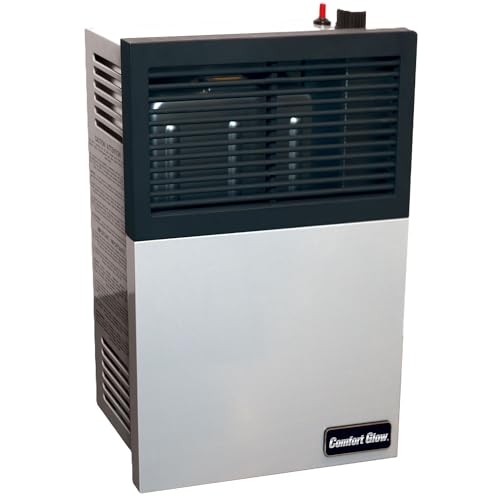
This direct vent propane wall heater uses a sealed combustion system to draw outside air for combustion and exhaust combustion products outdoors. It’s rated at 11,000 BTU and sized for spaces up to about 375 sq. ft. Key features include a sealed burn system, a matchless piezo ignition for easier startup, and a built‑in pressure regulator and safety pilot to stop gas flow if the pilot is extinguished. The compact wall‑mount design makes it suitable for smaller cabins or as a supplemental heater in a larger space. Because combustion air is taken from outside, indoor air quality concerns common to vent‑free units are minimized, which is important in tight cabin envelopes.
Comfort Glow 17,000 BTU Direct Vent Propane Heater

The larger direct‑vent offering from Comfort Glow delivers 17,000 BTU and is rated for roughly 570 sq. ft. Like the smaller model, it uses a sealed burn system and includes safety features such as a pressure regulator and safety pilot. Its wider front profile improves radiant and convective distribution for medium‑sized cabins. The sealed combustion and direct venting maintain indoor air quality while providing consistent warmth, making this model appropriate where local codes or occupant health concerns discourage vent‑free appliances.
Mr. Heater 20,000 BTU Blue Flame Vent Free Propane Heater
Call 888-896-7031 for Free Local HVAC Quotes – Compare and Save Today!
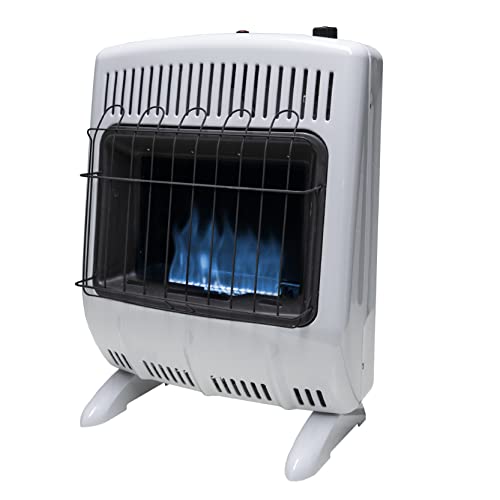
This blue‑flame, vent‑free wall heater produces up to 20,000 BTU and is advertised for spaces up to 700 sq. ft. It uses a thermostat and a battery‑powered electronic ignition for regulated heat control and easy starting. A factory‑standard Oxygen Depletion Sensor (ODS) provides an automatic safety shutoff if oxygen levels get too low. Vent‑free heaters can be highly efficient in transferring heat to the room since combustion products are released indoors; however, they also increase indoor moisture and rely on adequate room ventilation and compliance with local regulations.
Dyna‑Glo IR30PMDG‑1 30,000 BTU Infrared Vent Free Wall Heater

This infrared vent‑free heater offers a variable output from 6,000 to 30,000 BTU and is designed to heat up to 1,000 sq. ft. by radiating heat directly to objects and people rather than relying solely on convection. Infrared heat can feel more immediate and comfortable in drafty areas or spaces with high ceilings. As a vent‑free appliance, it requires attention to ventilation, humidity control, and local code compliance. It’s notable for offering broad BTU range control to match varying cold‑weather demands.
Mr. Heater 18,000 BTU Vent Free Radiant Propane Heater

This radiant vent‑free heater provides 18,000 BTU of infrared‑style warmth, suitable for areas up to about 700 sq. ft. It uses multiple burner tiles to produce radiant heat and lists fuel efficiency figures and runtime estimates. Built‑in ODS systems and thermostat controls are typically included on similar Mr. Heater units. While efficient, keep in mind that radiant vent‑free models transfer combustion byproducts into the living space, affecting moisture and potential pollutant levels.
Buying Guide: Choosing A Propane Heater For A Cabin
Selecting the right propane heater for a cabin means matching type, capacity, safety features, ventilation, and installation constraints. Below are the primary considerations to evaluate before purchasing.
Call 888-896-7031 for Free Local HVAC Quotes – Compare and Save Today!
Tips for Getting the Best HVAC Prices
- Prioritize Quality Over Cost
The most critical factor in any HVAC project is the quality of the installation. Don’t compromise on contractor expertise just to save money. - Check for Rebates
Always research current rebates and incentives — they can significantly reduce your overall cost. - Compare Multiple Quotes
Request at least three estimates before making your choice. You can click here to get three free quotes from local professionals. These quotes include available rebates and tax credits and automatically exclude unqualified contractors. - Negotiate Smartly
Once you've chosen a contractor, use the proven strategies from our guide — How Homeowners Can Negotiate with HVAC Dealers — to get the best possible final price.
Vented vs. Vent‑Free: Which To Choose
- Direct Vent (Vented/Sealed Combustion): Draws combustion air from outside and exhausts outdoors. Best for maintaining indoor air quality in well‑insulated or tightly sealed cabins and for occupants with respiratory concerns. Requires wall or roof penetration and proper vent termination.
- Vent‑Free (Unvented): Releases combustion products into the room; often more efficient at heating the air and simpler to install. Check local codes and consider moisture generation, which can be an issue in cabins constructed with wood or lacking proper ventilation.
Heating Capacity And Sizing
- Estimate cabin heat loss, not just square footage. Factors include insulation, ceiling height, window area, and cold exposure.
- Use BTU ratings as a guideline: 11–17k BTU for small to medium cabins; 20–30k BTU for larger or poorly insulated spaces or as primary heat source.
Safety Features To Prioritize
- Sealed combustion or Oxygen Depletion Sensor (ODS) depending on vent type.
- Safety pilot and pressure regulator to prevent unintended gas flow.
- Thermostat and reliable ignition systems reduce cycling issues and improve fuel economy.
Installation And Venting Requirements
- Direct vent models need a through‑wall or roof vent and must be installed per manufacturer instructions and local code. Professional installation is recommended.
- Vent‑free units often only require wall mounting and propane hookup, but local building codes may restrict or prohibit their use as primary heat sources.
Fuel Efficiency And Runtime
- Compare fuel consumption rates (lbs/hr or gallons/hr) and how they translate to runtime on typical propane cylinders used at your cabin.
- Vented vs. vent‑free does not inherently determine efficiency for occupant comfort; consider how heat is delivered (radiant vs. convective) for perceived warmth.
Indoor Air Quality And Moisture
- Vent‑free heaters add water vapor as a byproduct of combustion. In cold climates, this can condense and contribute to mold or wood damage unless ventilation or dehumidification is provided.
- Direct vent appliances keep combustion byproducts separate from indoor air, reducing pollutant and moisture impacts.
Controls, Zoning And Thermostats
- Select models with built‑in thermostats or compatibility with external controls for better comfort and fuel savings.
- Consider supplemental zone heating strategies: a single wall heater may be better for a main living area while other rooms rely on thermal transfer or secondary heat sources.
Local Codes, Regulations And Insurance
- Verify local building codes and manufacturer guidance for using vent‑free appliances as primary heat in cabins or sleeping areas.
- Some insurers and jurisdictions restrict vent‑free heaters; confirm allowable appliance types to avoid compliance issues.
Durability, Maintenance And Service Access
- Choose a unit with accessible service parts and clear maintenance instructions. Regular inspection of pilot systems, burners, and vents (if present) is necessary.
- For remote cabins, prioritize simple, reliable ignition systems and units that tolerate variable propane supply conditions.
Comparison Perspectives
- Safety Perspective: Direct vent models minimize indoor combustion exposure.
- Installation Perspective: Vent‑free units are easier and cheaper to install but may face code restrictions.
- Comfort Perspective: Radiant and infrared deliver immediate warmth to occupants; blue‑flame/convective models distribute heat through air movement.
- Operational Perspective: Consider runtime, fuel consumption, and how often the heater will be cycled in typical cabin use patterns.