
Choosing the right electric base heater helps maintain steady warmth and efficient energy use in rooms. Below is a quick comparison of five well-regarded electric heaters suited for baseboard or room heating needs, followed by detailed product sections and a practical buying guide.
| Product | Type | Power/Size | Key Features |
|---|---|---|---|
| Cadet F Series 36″ Electric Baseboard Heater | Hardwired Baseboard | 750W / 36″ | Requires thermostat, powder-coated steel, junction box |
| Cadet F Series 24″ Electric Baseboard Heater | Hardwired Baseboard | 350W / 24″ | Steel construction, 240/208V options |
| Comfort Zone 1500W Baseboard Space Heater | Plug-In/Convection Baseboard | 1500W | Adjustable thermostat, tip-over & overheat protection |
| KING 4K1210BW K Series Baseboard Heater | Hardwired Baseboard | 1000W / 4′ | Aluminum ribbon fin element, safety cutout |
| Dreo Oil Filled Radiator | Oil-Filled Radiant Heater | 1500W | Digital thermostat, timer, remote, multiple safety features |
Cadet 36″ Electric Baseboard Heater
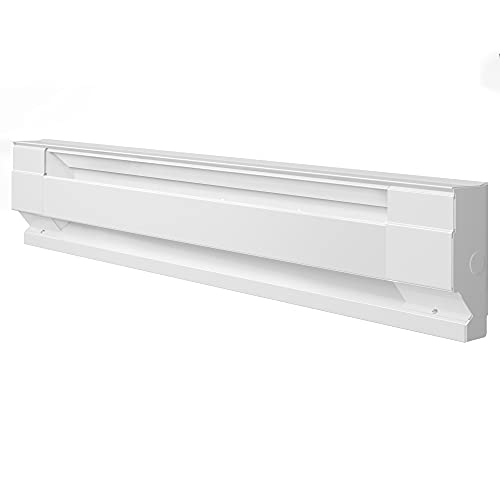
This Cadet F Series 36″ baseboard unit is designed for wall-mounted, hardwired installation in residential or light commercial settings. Built from 25 gauge steel with a 20 gauge junction box, it provides a durable housing for the heating element and wiring. The unit requires a separate thermostat for temperature control, making it suitable for rooms where centralized thermostat control is planned. Its all-metal construction and powder-coated finish help resist corrosion and surface wear.
Use cases include supplemental bedroom heating or retrofitting rooms with baseboard-ready wiring. Installation should follow local electrical codes and typically requires a licensed electrician for hardwired connections.
Cadet 24″ Electric Baseboard Heater
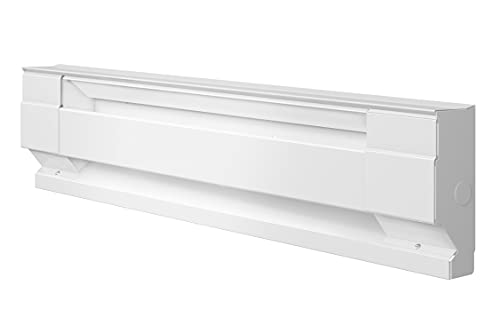
The Cadet 24″ model is a compact baseboard heater suited for small rooms, hallways, or as a supplemental heat source. Constructed from steel, it is available in 240/208V configurations with power ratings of 350W/262W, depending on the voltage. Like other Cadet F Series units, this model is intended for hardwired installations and requires a compatible thermostat to control temperature.
Call 888-896-7031 for Free Local HVAC Quotes – Compare and Save Today!
Its slim profile fits under windows or along short wall runs. Choose wiring and thermostat options that match room load and local electrical requirements for safe, consistent operation.
Comfort Zone 1500W Baseboard Space Heater

The Comfort Zone CZ600 is a convection-style baseboard space heater designed for medium rooms. It offers 1500W output, two heat settings, and an adjustable thermostat for localized temperature control. Safety features include overheat protection, a tip-over switch, and a stay-cool body, which reduce burn risk and provide safe operation around households with children or pets.
The unit emphasizes quiet operation, making it suitable for bedrooms or offices. Because it includes internal safety sensors and user controls, it can function as a stand-alone supplemental heater without requiring hardwired installation when configured per the manufacturer’s instructions.
KING 4′ K Series Baseboard Heater

The KING 4K1210BW is a 4-foot, 1000W hardwired baseboard heater designed for reliable convection heating. It uses an aluminum ribbon fin element to deliver heat along the length of the unit for even distribution. The model includes a full length safety cutout to interrupt power in the event of overheating.
Call 888-896-7031 for Free Local HVAC Quotes – Compare and Save Today!
This heater is intended for permanent installation and performs well as a continuous low-level heat source. It is commonly used in living rooms, bedrooms, or basements where steady, unobtrusive heat is desired. Proper sizing and pairing with a compatible wall thermostat will optimize comfort and efficiency.
Dreo Oil Filled Radiator With Digital Controls

The Dreo Oil Filled Radiator is a portable electric heater that delivers radiant and convected warmth via oil-filled fins. With 1500W power, a digital thermostat, remote control, and a 24-hour timer, it provides programmable, even heat without forced air. The model emphasizes even heat dispersion across its fins and includes multiple safety systems such as tilt protection, overheat sensors, and ETL listing.
Because it stores heat in oil and radiates warmth, this unit is effective at maintaining steady room temperatures and runs quietly. It is suitable for bedrooms, living rooms, or workspaces where silent, continuous heat and programmable control are priorities.
Buying Guide: How To Choose An Electric Base Heater
Selecting the right electric base heater requires balancing room size, installation type, energy use, and safety. Below are essential considerations and comparative perspectives to guide your decision.
Tips for Getting the Best HVAC Prices
- Prioritize Quality Over Cost
The most critical factor in any HVAC project is the quality of the installation. Don’t compromise on contractor expertise just to save money. - Check for Rebates
Always research current rebates and incentives — they can significantly reduce your overall cost. - Compare Multiple Quotes
Request at least three estimates before making your choice. You can click here to get three free quotes from local professionals. These quotes include available rebates and tax credits and automatically exclude unqualified contractors. - Negotiate Smartly
Once you've chosen a contractor, use the proven strategies from our guide — How Homeowners Can Negotiate with HVAC Dealers — to get the best possible final price.
1. Heater Type And Installation
- Hardwired Baseboard Heaters: Like Cadet and KING models, these install permanently and connect to a home thermostat or local control. They are appropriate when you want integrated, low-visibility heat along wall runs.
- Plug-In/Portable Baseboard or Radiators: Models like Comfort Zone and Dreo offer portability and often include built-in thermostats and safety features. Choose these when you need flexibility or cannot rewire the room.
- Radiant (Oil-Filled) vs Convection: Oil-filled radiators provide long-lasting, even heat and quiet operation. Convection baseboards heat air that circulates naturally; they warm up faster but may cool quicker when off.
2. Power, Sizing, And Room Matching
- Estimate needed wattage: a common guideline is 10–15 watts per square foot for typical rooms. For example, a 1500W heater suits many average bedrooms or offices when used as primary or supplemental heat.
- Longer baseboard lengths (24″, 36″, 48″) distribute heat across more wall area and can provide more even warmth for larger spaces when combined with proper wattage.
- Voltage and circuit: verify whether a unit requires 120V plug-in or 240V/208V hardwire. Hardwired units require dedicated circuits and professional installation.
3. Controls And Thermostat Options
- Built-In Thermostats: Offer local temperature control and convenience for portable units.
- External Wall Thermostats: Preferred for hardwired baseboards for whole-room control and energy efficiency.
- Programmable Features: Timers, digital settings, and remotes (as in oil-filled radiators) allow scheduled heating and can reduce runtime and energy consumption.
4. Safety Features
- Look for overheat protection and automatic shutoff mechanisms. Tip-over switches are critical for portable units.
- Stay-cool bodies or guarded surfaces reduce burn risk in high-traffic or child-occupied areas.
- For hardwired installations, ensure components are ETL/UL listed and installed to code to prevent electrical hazards.
5. Efficiency And Operating Cost Perspectives
- Electric resistance heat is nearly 100% efficient at point-of-use, but overall cost depends on local electricity prices and runtime. Use zoning and programmable thermostats to limit energy use to occupied spaces.
- Oil-filled radiators retain heat longer after power cycles, which can lower overall runtime in some scenarios.
- Convection baseboards provide fast heat but may cycle more frequently. Evaluate your usage profile—continuous low-level heat vs intermittent targeted heating—when selecting a type.
6. Durability, Build, And Maintenance
- Metal housings and powder-coated finishes resist dents and corrosion—helpful in garages or high-traffic locations.
- Aluminum ribbon elements provide even transfer and are common in long-run baseboards.
- Portable units require minimal maintenance; hardwired systems should be inspected periodically for wiring condition and secure mounting.
7. Noise, Comfort, And Air Quality
- Oil-filled and convection baseboards operate quietly, suitable for bedrooms and offices.
- Forced-air units or those with fans distribute heat quickly but may move dust; consider filtration or cleaning if indoor air quality is a concern.
8. Installation And Code Considerations
- Hardwired baseboards require proper circuit sizing and should follow local electrical codes. Professional installation is often recommended.
- Check clearances from furniture and drapes per manufacturer instructions to avoid heat buildup and fire risk.
Quick Comparison Tips
- Choose hardwired baseboards (Cadet, KING) for integrated, long-term heating solutions in finished rooms with existing wiring.
- Choose portable or oil-filled units (Comfort Zone, Dreo) for flexibility, quiet operation, and programmable controls without electrical installation.
- For large open areas, combine multiple units or longer-length baseboards to achieve even coverage.