
Choosing The Right Fireplace Grate can improve burn efficiency, reduce smoke, and boost radiant heat. Below is a quick comparison of top grates that suit a range of hearth sizes and needs.
| Product | Type / Material | Best For |
|---|---|---|
| Woodeze Lifetime Fireplace Grate 36″ | Heavy-Duty Steel Basket | Large Indoor Fireplaces, High Heat Output |
| Rocky Mountain Goods 23″ Cast Iron Grate | Cast Iron With Ember Retainer | Traditional Cast-Iron Strength & Cleaner Burns |
| Luoieo 21″ Cast Iron Fireplace Grate | Solid Cast Iron | Smaller Hearths, Stable Log Support |
| Grate Wall Of Fire Model M-5 | Vertical Alloy Steel Grate | Smoke Reduction & Increased Radiant Heat |
| TITAN GREAT OUTDOORS 30″ Round Fire Pit Grate | Raised Steel Fire Pit Grate | Versatile Outdoor Fire Pits, Improved Airflow |
Woodeze Lifetime Fireplace Grate 36 Inch
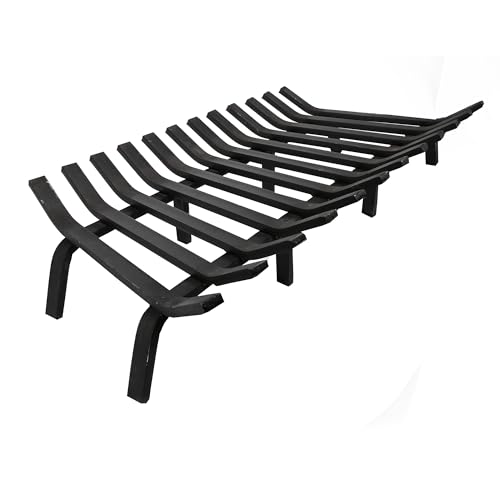
This 36-inch heavy-duty steel basket grate is built from 1″ x 1/2″ A36 hot rolled steel bars and weighs approximately 39 lb. The design provides a robust alternative to cast iron grates while resisting warping under sustained indoor heat. A 3½” leg height lifts fuel to promote improved airflow and more complete combustion, which supports hotter burns and reduced smoke when used correctly. The basket-style layout contains smaller pieces of fuel and coal, helping maintain an even bed. Best suited for larger hearths, this grate emphasizes durability, stability, and consistent combustion performance.
Rocky Mountain 23 Inch Cast Iron Grate

The 23-inch heavy-duty cast iron grate features an ember retainer to keep burning material centralized, encouraging cleaner combustion and higher heat output. Heat-treated cast iron holds and radiates heat well, and thick welds bolster long-term durability. This model is engineered to support large logs reliably and keep embers positioned to maintain efficient airflow through the fuel bed. Typical use cases include traditional indoor fireplaces where cast iron’s heat retention and weight provide stable performance.
Luoieo 21 Inch Cast Iron Grate

Call 888-896-7031 for Free Local HVAC Quotes – Compare and Save Today!
The 21-inch Luoieo cast iron grate uses 1/2″ square steel bars with a 3/4″ diagonal build to deliver stability while weighing just under 10 lb. It raises logs about 2.3″ to increase oxygen flow beneath the wood and simplify ash removal. Available in multiple sizes, its compact footprint works well in smaller hearths. Cast iron construction provides strong thermal mass for steady radiant heat and resists deformation when welded thickly. The design addresses both airflow and maintenance accessibility for indoor applications.
Grate Wall Of Fire Model M-5 Vertical Grate

The Model M-5 vertical alloy steel grate repositions logs against the back wall of the fireplace to optimize airflow and radiant heat into the room. This arrangement is designed to reduce smoke issues by improving combustion dynamics and directing heat forward. Built from heavy-duty alloy steel, the unit aims to outlast standard flat grates under frequent use. Ideal where smoke backdraft or low radiant heat is a concern, this model requires compatibility with minimum fireplace dimensions and a deeper hearth floor for safe operation.
TITAN Great Outdoors 30 Inch Round Grate

This 30-inch round elevated steel grate is designed primarily for fire pits and outdoor fireplaces. With a 4″ elevation, it promotes faster ignition, longer burn times, improved heat, and reduced smoke by enhancing airflow under the fuel. Durable welded legs and square bar construction prevent logs from rolling off and resist melting or warping under high temperatures. Its versatile form factor supports both recreational outdoor fires and some portable cooking setups, making it a multipurpose option for backyard fire features.
Buying Guide: How To Choose The Best Fireplace Heater Grate
Choosing the right fireplace grate depends on fireplace size, fuel type, heat goals, and safety considerations. Below are core factors and comparison perspectives to inform your choice.
Call 888-896-7031 for Free Local HVAC Quotes – Compare and Save Today!
Tips for Getting the Best HVAC Prices
- Prioritize Quality Over Cost
The most critical factor in any HVAC project is the quality of the installation. Don’t compromise on contractor expertise just to save money. - Check for Rebates
Always research current rebates and incentives — they can significantly reduce your overall cost. - Compare Multiple Quotes
Request at least three estimates before making your choice. You can click here to get three free quotes from local professionals. These quotes include available rebates and tax credits and automatically exclude unqualified contractors. - Negotiate Smartly
Once you've chosen a contractor, use the proven strategies from our guide — How Homeowners Can Negotiate with HVAC Dealers — to get the best possible final price.
Material And Durability
- Cast Iron — Excellent heat retention and radiant heat output. Heavier and often very durable if heat treated and well welded. Can crack under thermal shock if thin.
- Alloy/Steel — Lighter and often designed to resist warping. Steel baskets or bars tolerate repeated high heat cycles and can be engineered for higher airflow.
- Weld Quality — Look for thick robust welds on joints to prevent failure after many heating cycles.
Size And Fit
- Measure your fireplace: front opening width, back width, depth, and height. Grates should sit securely with space for ventilation and ash removal.
- Choose a grate that leaves a few inches clearance from the hearth sides to avoid radiant heat transfer to masonry or hearth-facing materials.
Design And Combustion Efficiency
- Basket Or Raised Grates improve airflow under the logs for more complete combustion and less smoke.
- Ember Retainers keep burning material centralized, reducing unburned pieces and creating hotter cores.
- Vertical/Back-Against Grates increase forward radiant heat but require compatible hearth dimensions.
Heat Output And Radiant Performance
- Cast iron radiates heat evenly after storing thermal energy; steel designs often produce hotter flames due to improved airflow but radiate differently.
- Match grate type to heating goals: maximum flame temperature and fuel burn for heat vs. steady radiant warmth for longer occupancy heating.
Fuel Type And Usage
- For mixed wood and coal, choose grates rated for coal and dense fuels (basket style or high-mass grates).
- For kindling and smaller pieces, closer bar spacing and ember retainers prevent small pieces from falling through.
Maintenance And Ash Management
- Raised grates simplify ash removal and maintenance. Ensure clearance for ash pans or shovel access.
- Periodic inspection for cracks, excessive warping, or weak welds increases safety and service life.
Safety And Installation Considerations
- Confirm clearances to combustible hearth materials and check local codes for fireplace components.
- Use gloves and tools when adjusting or loading grates to avoid burns and shifting logs that can spark.
- Vertical grates should be compatible with fireplace opening height and depth; improper fit can affect draft and safety.
Comparison Perspectives
- Durability Focus: Choose thick hot-rolled steel or heavy cast iron with quality welds for frequent use.
- Heat Efficiency Focus: Grates that increase airflow (raised or basket designs) and ember retainers produce hotter and cleaner burns.
- Smoke Reduction Focus: Vertical/back-style grates improve draft near the back wall and aim to reduce smoke into the room.
- Versatility Focus: Round elevated grates or portable steel models suit both outdoor and indoor settings if dimensions match.
Final Selection Checklist
- Measure your fireplace accurately and match grate dimensions.
- Decide on material based on heat retention vs. airflow priorities.
- Verify weld and construction quality to prevent failure under high heat.
- Ensure grate design supports your fuel type (wood vs. coal) and maintenance preferences.
- Confirm safety clearances and compatibility with your hearth or fire pit.