
Choosing the best gas heater for a bathroom balances heat output, ventilation, and safety. This guide compares wall-mounted blue flame heaters, vented units, and tankless gas water heaters suited for bathroom use. Below is a quick reference of the selected products covered in this article.
| Product | Type | Brand |
|---|---|---|
| Dyna-Glo 10,000 BTU Natural Gas Blue Flame Vent Free Wall Heater | Vent-Free Wall Heater | Dyna-Glo |
| ProCom MN100TBA-B Ventless Natural Gas Blue Flame Space Heater | Vent-Free/Wall-Mount | ProCom |
| Comfort Glow 17,000 BTU Direct Vent Natural Gas Wall Heater | Direct Vent Wall Heater | Comfort Glow |
| Rinnai V53DeN Natural Gas Tankless Water Heater | Outdoor Tankless Hot Water | Rinnai |
| Ranein Natural Gas Tankless Water Heater, Indoor Max 3.6 GPM | Indoor Tankless Water Heater | Ranein |
Content Navigation
- Dyna-Glo 10,000 BTU Natural Gas Blue Flame Vent Free Wall Heater
- ProCom MN100TBA-B Ventless Natural Gas Blue Flame Space Heater
- Comfort Glow 17,000 BTU Direct Vent Natural Gas Wall Heater
- Rinnai V53DeN Natural Gas Tankless Water Heater – 5.3 GPM, Outdoor Installation
- Ranein Natural Gas Tankless Water Heater, Indoor Max 3.6 GPM
- Buying Guide: How To Choose The Right Gas Heater For Your Bathroom
Dyna-Glo 10,000 BTU Natural Gas Blue Flame Vent Free Wall Heater

This vent-free blue flame heater is designed for natural gas installations and provides a variable output between 5,000 and 10,000 BTU/hr. Blue flame technology convects heat by warming room air, similar to central heating systems. The manufacturer specifies natural gas readiness and notes no fuel conversion is permitted.
Benefits for bathroom use include compact wall-mount design and variable heat output suitable for small to mid-size bathrooms. Vent-free operation increases indoor humidity and requires adequate room volume and ventilation. Verify local codes and bathroom size before installation to ensure compliance and safe combustion air supply.
ProCom MN100TBA-B Ventless Natural Gas Blue Flame Space Heater

The ProCom MN100TBA-B produces up to 10,000 BTU and claims coverage up to 500 sq. ft., using blue flame ventless technology and a built-in thermostat with High/Medium/Low settings. The unit ships with wall-mount hardware and optional base feet for floor placement.
Call 888-896-7031 for Free Local HVAC Quotes – Compare and Save Today!
Key considerations include thermostat control for temperature regulation and compact dimensions for tight bathroom walls. As a ventless model, CO and moisture management depend on room ventilation and code compliance. Install per local building codes and maintain recommended clearances from water sources and fixture zones.
Comfort Glow 17,000 BTU Direct Vent Natural Gas Wall Heater

The Comfort Glow is a direct vent natural gas wall heater with 17,000 BTU output and a sealed burn system. Designed to heat up to 570 sq. ft., it uses a matched vent to exhaust combustion gases outside, reducing in-room combustion byproducts and moisture.
Direct vent units are often preferred for bathrooms because they provide combustion air and exhaust externally, improving indoor air quality compared to vent-free models. This unit includes a safety pilot and pressure regulator to stop gas flow if the pilot is extinguished, adding a layer of combustion safety.
Rinnai V53DeN Natural Gas Tankless Water Heater – 5.3 GPM, Outdoor Installation
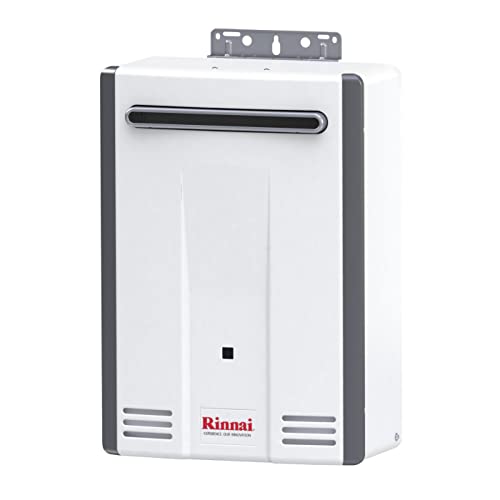
The Rinnai V53DeN is an outdoor tankless water heater providing up to 5.3 GPM for continuous hot water delivery. Rinnai emphasizes energy efficiency by heating water on demand and includes a 10-year heat exchanger warranty for long-term reliability.
Call 888-896-7031 for Free Local HVAC Quotes – Compare and Save Today!
For bathroom heating needs, a tankless water heater addresses hot water supply for showers and sinks rather than space heating. Outdoor installation eliminates indoor combustion concerns and frees indoor space. Consider piping runs, freeze protection, and vent placement when selecting an outdoor tankless unit to serve bathroom fixtures efficiently.
Ranein Natural Gas Tankless Water Heater, Indoor Max 3.6 GPM

The Ranein indoor tankless heater provides 80,000 BTU capacity and up to 3.6 GPM, suitable for supplying hot water to 2–3 fixtures. The unit emphasizes instant hot water with multiple temperature modes and no tank standby heat loss.
Indoor tankless units must be vented properly to remove combustion products. The product offers user modes for specific temperature targets, which can be useful for households prioritizing consistent shower temperature. Check for required venting clearances and professional gas line sizing for safe bathroom integration.
Buying Guide: How To Choose The Right Gas Heater For Your Bathroom
Selecting a gas heater for a bathroom requires balancing heat needs, safety, ventilation, and local code requirements. Below are the primary factors to compare and verify before purchase and installation.
Tips for Getting the Best HVAC Prices
- Prioritize Quality Over Cost
The most critical factor in any HVAC project is the quality of the installation. Don’t compromise on contractor expertise just to save money. - Check for Rebates
Always research current rebates and incentives — they can significantly reduce your overall cost. - Compare Multiple Quotes
Request at least three estimates before making your choice. You can click here to get three free quotes from local professionals. These quotes include available rebates and tax credits and automatically exclude unqualified contractors. - Negotiate Smartly
Once you've chosen a contractor, use the proven strategies from our guide — How Homeowners Can Negotiate with HVAC Dealers — to get the best possible final price.
Type Of Heater: Vent-Free vs. Direct Vent vs. Tankless
- Vent-Free/Blue Flame: Provides direct room heating without external venting. Efficient but increases indoor moisture and relies on room volume and ventilation. Often limited by local codes in bathrooms.
- Direct Vent: Uses sealed combustion with outside air intake and exhaust. Safer for indoor air quality and preferable for bathrooms where moisture and combustion byproducts are concerns.
- Tankless Water Heaters: Do not heat room air but supply continuous hot water to bathroom fixtures. Choosing between indoor or outdoor tankless depends on venting capacity and space.
Safety Considerations
- Combustion Byproducts: Ensure CO and combustion gases are vented or that carbon monoxide detection is installed per guidelines.
- Moisture Impact: Vent-free models add water vapor to the room; confirm that increased humidity will not cause mold or damage.
- Clearances and Mounting: Maintain manufacturer-specified clearances from showers, tubs, and water sources to prevent damage and meet code.
- Local Code Compliance: Check state and local regulations; some jurisdictions restrict vent-free units in bathrooms or require specific venting for gas appliances.
Capacity And Coverage
- BTU Ratings: Match BTU output to bathroom volume. Small bathrooms often need 5,000–10,000 BTU; larger spaces require more or a direct vent unit with higher output.
- GPM For Tankless Units: For hot water needs, choose a tankless unit with a flow rate (GPM) sufficient for simultaneous fixtures. A shower typically requires 1.5–2.5 GPM depending on temperature rise.
Installation And Venting
- Professional Installation: Gas appliances typically require certified installation to ensure safe gas line sizing, proper venting, and combustion air supply.
- Venting Requirements: Direct vent and indoor tankless units need approved venting systems. Outdoor tankless models remove venting concerns but need frost protection and weatherproofing where applicable.
- Electrical Needs: Some tankless units and controls require electrical power for ignition and electronics; confirm circuit availability.
Maintenance And Longevity
- Service Access: Choose units with accessible controls and components for servicing. Outdoor units must be accessible year-round.
- Warranty And Parts: Check heat exchanger and parts warranty. Longer heat exchanger warranties often indicate confidence in longevity.
- Water Quality: For tankless units, consider water hardness and plan for descaling to maintain efficiency and flow rate.
Comparison Perspectives
- Air Quality Perspective: Direct vent and outdoor tankless options minimize indoor combustion byproducts compared to vent-free heaters.
- Energy Efficiency Perspective: Tankless water heaters eliminate standby losses and can reduce utility usage when sized correctly. Vent-free room heaters convert fuel to indoor heat efficiently but may impact humidity.
- Installation Cost Perspective: Vent-free units typically have lower installation costs since venting is not required. Direct vent and tankless units can incur higher initial costs for venting, gas line upgrades, or electrical connections.
- Safety/Compliance Perspective: Local codes can dictate allowable options; always prioritize models and installation methods that meet regulatory requirements for bathrooms.
Checklist Before Purchase
- Verify local codes for vent-free or direct vent use in bathrooms.
- Measure bathroom volume to determine required BTU output.
- For hot water needs, calculate required GPM and temperature rise for tankless units.
- Plan for professional gas and venting installation, and confirm clearances from water fixtures.
- Confirm warranty terms and serviceability in your area.