
The following guide compares several gas-powered and related radiator heating options for indoor and semi-outdoor spaces, highlighting features, safety, and use cases to help choose the right unit. Below is a compact summary of the selected products for quick reference.
| Product | Type | Fuel | Coverage |
|---|---|---|---|
| Dyna-Glo IR30NMDG-1 30,000 BTU Infrared Wall Heater | Infrared Wall Heater | Natural Gas | Up To 1,000 sq. ft. |
| Mr. Heater Big Maxx MHU80NG | Unit Heater | Natural Gas | Up To 2,000 sq. ft. |
| ProCom MN300HBA-B Ventless Blue Flame Heater | Ventless Blue Flame | Natural Gas | Up To 1,400 sq. ft. |
| CAMPLUX Propane Cabinet Heater | Portable Propane Heater | Propane | Up To 450 sq. ft. |
| 5Ft ID 1″ Car Heater Hose (Accessory) | Silicone Hose | For Water/Gas Lines | Accessory For Systems |
Content Navigation
- Dyna-Glo IR30NMDG-1 30,000 BTU Natural Gas Infrared Wall Heater
- Mr. Heater F260560 Big Maxx MHU80NG Natural Gas Unit Heater
- ProCom MN300HBA-B Natural Gas Ventless Blue Flame Heater
- CAMPLUX Propane Heater Indoor And Outdoor Cabinet Heater
- 5Ft ID 1″ Car Heater Hose, Silicone Radiator Hose
- Buying Guide: How To Choose A Gas Radiator Heater
Dyna-Glo IR30NMDG-1 30,000 BTU Natural Gas Infrared Wall Heater

This infrared natural gas wall heater uses radiant heat to warm objects and people directly rather than relying solely on room air exchange. The unit is rated at 30,000 BTU and is described as effective for spaces up to about 1,000 sq. ft.
Key features noted include natural gas compatibility and infrared heating technology that targets surfaces and occupants for faster perceived warmth. Infrared units can be efficient in spaces where directed heating is preferred, such as work areas, garages, or workshops.
Installation considerations: the product is natural gas ready and requires proper venting or installation per local codes and manufacturer guidance. Infrared heaters typically require clearance from combustible materials and professional gas connections for safe operation.
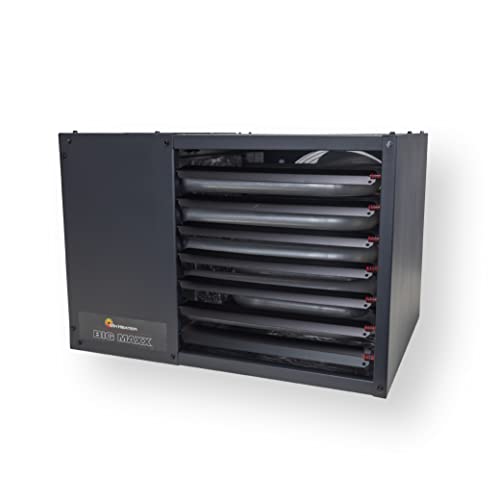
Mr. Heater F260560 Big Maxx MHU80NG Natural Gas Unit Heater
Call 888-896-7031 for Free Local HVAC Quotes – Compare and Save Today!
The Mr. Heater Big Maxx is a high-capacity natural gas unit heater with a stated 80,000 BTU output, intended for large shops, garages, and commercial spaces up to 2,000 sq. ft.
Included items and specs from the listing: the heater ships with two angle brackets and a liquid propane conversion kit for flexibility in fuel type. The unit operates on 120 V power for the fan and controls, with clearance requirements (minimum 8 ft. floor-to-base) to ensure safe airflow and heat distribution.
Performance and installation: the Big Maxx is designed for high output and durable commercial use. It supports various venting categories (vertical/horizontal) and may require professional installation to meet gas piping and venting code requirements.
ProCom MN300HBA-B Natural Gas Ventless Blue Flame Heater

The ProCom MN300HBA-B is a ventless blue flame heater that delivers up to 30,000 BTU on natural gas, with manual control and three heat settings. It’s described as heating up to 1,400 sq. ft.
Notable features include push-button Piezo ignition, operation without electricity, and an oxygen depletion sensor (ODS) for automatic shut-off if oxygen levels fall below safe thresholds. Ventless units save installation complexity but require adequate room size and ventilation per local codes.
Call 888-896-7031 for Free Local HVAC Quotes – Compare and Save Today!
Application notes: ventless blue flame heaters provide even room heating and can be cost-effective for spaces where venting is impractical. Users must follow manufacturer guidance about minimum clearances, room size, and fresh-air requirements to avoid indoor air quality issues.
CAMPLUX Propane Heater Indoor And Outdoor Cabinet Heater

The CAMPLUX Propane Cabinet Heater is a portable propane radiant heater offering 6,000/12,000/18,000 BTU modes with a claimed coverage of up to 450 sq. ft. It runs without electrical power and connects to a standard 20 lb propane tank with the included regulator and hose.
Safety features listed include an oxygen depletion sensor (ODS) and tip-over shutoff, which turn the unit off when unsafe conditions are detected. Run time on low mode and the absence of electricity make it useful in power outage situations or remote locations.
Use cases and limitations: the unit is marketed for both indoor and outdoor use but users should confirm local code allowances for indoor propane use. Proper ventilation and monitoring of fuel supply and emissions are essential to maintain safety and air quality.
5Ft ID 1″ Car Heater Hose, Silicone Radiator Hose

This 5-foot silicone heater hose is an accessory rather than a heater, intended for transportation of water or gas in vehicle cooling systems. The product listing states a rupture pressure rating and temperature resistance from -58 to 392°F.
Relevance: for custom or mobile gas heating setups (for example, custom-engineered radiators or connected fuel lines), a high-temperature silicone hose can be a component in routing fluids or gases. The listing cautions against using the hose for oil transport.
Installation and compatibility: verify inner diameter, outer dimensions, and material compatibility with your application. Automotive hoses differ from certified building gas piping; for permanent or indoor gas installations, follow applicable plumbing and gas codes and use certified gas piping materials.
Buying Guide: How To Choose A Gas Radiator Heater
Selecting the right gas radiator or radiant heater involves evaluating fuel type, output, installation, and safety. The sections below outline core considerations and comparison perspectives to help match a heater to your needs.
Fuel Type And Availability
- Natural Gas: Best for locations with existing gas lines; often lower operating cost for installed systems but may require professional hookup and ventilation.
- Propane: Portable and useful where natural gas is unavailable; requires tank storage and periodic refilling. Check indoor use approvals and ventilation needs.
- Electric Oil-Filled (if considering radiator-style electric units): Simpler plug-in installation, no combustion emissions, but different operating costs and heating profiles.
Heating Output And Coverage
- Match BTU output or wattage to room size. Higher BTUs suit larger or poorly insulated spaces.
- Consider heat distribution method: infrared warms objects directly; blue-flame and unit heaters warm room air or surfaces differently.
- Account for ceiling height and insulation; tall, open spaces need more capacity to reach comfortable levels.
Installation And Venting Requirements
- Ventless units avoid ducting but require adequate room volume and compliance with indoor air quality guidelines.
- Vented/Wall/Unit Heaters may need flues, clearances, and professional gas connections; budget for installation complexity.
- Confirm local building codes and any required permits for gas heater installation.
Safety Features
- Look for ODS (Oxygen Depletion Sensor) on unvented combustion appliances.
- Tip-over shutoff and overheat protection are important for portable or cabinet heaters.
- Ensure certified testing marks (e.g., ETL, CSA) and follow clearance and carbon monoxide monitoring recommendations.
Operation And Controls
- Determine required control type: manual knobs, thermostats, or digital controls. Thermostats improve temperature stability and efficiency.
- For intermittent use or workshops, simple manual controls can be adequate; for living spaces, prioritize thermostatic control and timers.
Efficiency And Fuel Costs
- Compare BTU per dollar and local fuel costs. Natural gas often costs less per BTU where available; propane can be more expensive but offers portability.
- Consider heat delivery efficiency: infrared units may provide faster perceived warmth with lower energy use in targeted areas.
Maintenance And Longevity
- Combustion heaters require periodic inspections of burners, pilot assemblies, and gas lines.
- Ventless units may need monitoring for soot or indoor moisture. Ensure access for service and replacement parts.
Comparison Perspectives
- Residential Living Areas: Prioritize indoor air quality, carbon monoxide safety, and quieter operation. Consider vented unit heaters or electric radiators for bedrooms.
- Garages and Workshops: High-BTU unit heaters or infrared wall units provide robust heat; venting and clearance rules still apply.
- Portable/Emergency Use: Propane cabinet heaters are practical for outages, but only use indoors if the model is approved and ventilation is adequate.
- Installation Budget: Portable propane or ventless units reduce upfront installation costs; permanently installed natural gas units typically require professional labor and permit costs.
Final practical tips: always follow manufacturer installation instructions, confirm compatibility with local codes, and use carbon monoxide detectors where combustion appliances operate indoors. For custom or vehicle-based heating systems, use appropriate certified components and avoid substituting automotive parts for building gas piping without professional oversight.
Tips for Getting the Best HVAC Prices
- Prioritize Quality Over Cost
The most critical factor in any HVAC project is the quality of the installation. Don’t compromise on contractor expertise just to save money. - Check for Rebates
Always research current rebates and incentives — they can significantly reduce your overall cost. - Compare Multiple Quotes
Request at least three estimates before making your choice. You can click here to get three free quotes from local professionals. These quotes include available rebates and tax credits and automatically exclude unqualified contractors. - Negotiate Smartly
Once you've chosen a contractor, use the proven strategies from our guide — How Homeowners Can Negotiate with HVAC Dealers — to get the best possible final price.