
Looking For A Heater For A Shed Without Electricity? This Guide Compares Portable Propane, Infrared, And Electric Options That Work With Generators Or Built-In Power — Plus Off-Grid Choices. Below Is A Quick Summary Table Of The Selected Products For Easy Comparison.
| Product | Power Type | Key Feature |
|---|---|---|
| Heat Hog 18,000 BTU Portable Propane Radiant Space Heater | Propane (No Electricity) | 18,000 BTU Radiant Heat, Tiltable Design |
| Dr Infrared Heater DR-268 Smart Greenhouse Heater | Electric (Wall Power) | IPX5 Water Resistant, Digital Thermostat |
| Dr Infrared Heater Portable Space Heater, Original | Electric (120V) | Dual Heating System (Infrared + PTC) |
| SereneLife Infrared Heater For Patio, Indoor And Outdoor | Electric (900W) | IP44 Weather Resistant, Low Wattage Infrared |
| Dura Heat EUH1465 Electric Forced Air Heater | Electric (120V) | 1500W Forced Air, Rugged Steel Body |
Content Navigation
- Heat Hog 18,000 BTU Portable Propane Radiant Space Heater
- Dr Infrared Heater DR-268 Smart Greenhouse Heater
- Dr Infrared Heater Portable Space Heater, Original, 1500-Watt
- SereneLife Infrared Heater For Patio, Indoor And Outdoor
- Dura Heat EUH1465 Electric Forced Air Heater With Pivoting Base
- Buying Guide: Choosing A Heater For A Shed Without Electricity
Heat Hog 18,000 BTU Portable Propane Radiant Space Heater

Power Type: Propane (No Electricity Required). The Heat Hog Is A Portable Radiant Propane Heater Designed To Run On A 1 lb. LP Cylinder Or A 20 lb. Propane Tank With An Accessory Hose.
Key Features Listed By The Manufacturer Include 18,000 BTU Output That Claims Coverage Up To 450 Square Feet And A Tiltable Design That Lets You Aim Heat Where Needed. The Curved Plaque Technology Is Noted To Provide A Wider Heating Area Than Standard Models.
For A Shed Without Electrical Supply, This Heater Offers True Off-Grid Heat Using Propane. The Product Is Marketed For Indoor/outdoor Use Including Garages, Camps, And RVs. Observe All Ventilation, Fuel Storage, And Manufacturer Safety Recommendations When Using Propane Inside An Enclosed Space.
Dr Infrared Heater DR-268 Smart Greenhouse Heater

Call 888-896-7031 for Free Local HVAC Quotes – Compare and Save Today!
Power Type: Electric (Requires Power). This Model Is Specifically Marketed For Greenhouses And Sheds, With IPX5 Water Resistance For Wet Environments.
Features Include A Built-In Digital Thermostat With Corded Sensor Probe, Selectable Auto Or Manual Modes, And Multiple Mounting Options (Wall/Ceiling/Hanging). The Listing Notes Indoor And Outdoor Rating, Instant Infrared Heat, And Options For Precise Temperature Control.
While This Heater Requires Electricity, It Is Relevant For Shed Owners Who Can Provide Power Via A Generator, Solar+Battery System, Or Existing Wiring. The Water-Resistant Housing And Mounting Flexibility Make It Practical For Utility Sheds Where Moisture May Be Present.
Dr Infrared Heater Portable Space Heater, Original, 1500-Watt
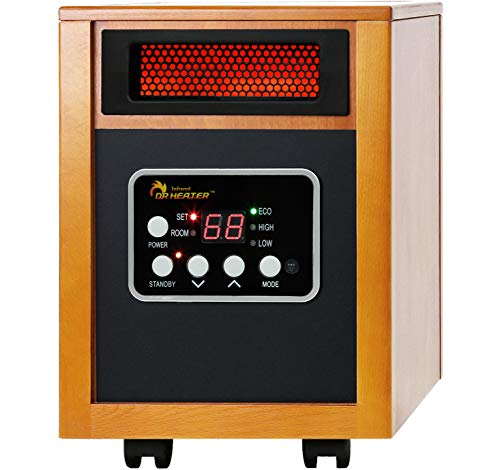
Power Type: Electric (120V). The Original Portable Model Uses A Dual Heating System—Infrared Quartz Tubes Plus PTC—for Increased Heat Output Compared To Standard Units.
Manufacturer Features Include An Auto Energy Saving Mode, Tip-Over And Overheat Protection, Remote Control, And A Low-Noise Blower. The Listing Rates Heat Around 5200 BTU And Mentions Coverage For A Large Room.
Call 888-896-7031 for Free Local HVAC Quotes – Compare and Save Today!
This Unit Is A Typical Electric Space Heater Option For Sheds With Available Power Or For Use With A Sufficiently Rated Generator or inverter system. The Dual Heating System Can Provide Steady, Even Warmth, But It Requires Electrical Supply To Operate.
SereneLife Infrared Heater For Patio, Indoor And Outdoor

Power Type: Electric (900W). The SereneLife Unit Is Marketed As A Low-Wattage Infrared Patio Heater With An IP44 Weather-Resistant Build Suitable For Covered Outdoor Areas.
Key Features Listed Include Instant, Odorless Heat, Carbon Fiber Heating Elements With High Efficiency, And A Lightweight Corrosion-Resistant Frame. The Unit Aims For Quick Warmth With Moderate Energy Use.
For Shed Applications, This Model Is Relevant If You Have Low-Capacity Power Or Intend To Run A Small Heater Off A Solar Inverter Or Generator. Its Lower Wattage Makes It Easier To Operate On Limited Power Sources Compared To Higher-Wattage Electric Heaters.
Dura Heat EUH1465 Electric Forced Air Heater With Pivoting Base
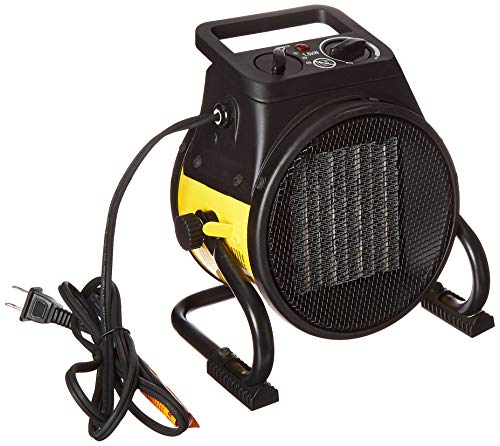
Power Type: Electric (1500W PTC Ceramic). This Rugged Steel Heater Is Designed For Garages, Workshops, And Commercial Spaces, With Heat And Fan-Only Settings.
Manufacturer Features Call Out Quick Warmth Via 1500W Of PTC Ceramic Heating, Durable Construction, And A Pivoting Base For Directional Heating. The Unit Is Marketed For Tough Environments Where A Robust, Portable Electric Heating Source Is Preferred.
As An Electric-Only Heater, It’s Applicable To Sheds With Electrical Supply Or Those Using A Generator Or Inverter System. The Forced-Air Approach Provides Faster Air Circulation Compared To Pure Radiant Units.
Buying Guide: Choosing A Heater For A Shed Without Electricity
Power Source And Off-Grid Options
- Propane/Gas Heaters: Work Without Electricity, Provide Immediate Heat, And Are Often Portable. They Require Proper Ventilation, Carbon Monoxide Awareness, And Safe Fuel Storage.
- Battery, Inverter, Or Generator Solutions: Electric Heaters Can Run Off A Generator Or Solar+Battery System. Check Wattage Requirements Against Generator/Inverter Capacity Before Relying On An Electric Option.
- Low-Wattage Infrared: Lower wattage infrared units Can Be More Practical For Small Inverter Systems Than High-Wattage Electric Forced-Air Heaters.
Heating Capacity And Coverage
- Match Heater Output To Shed Volume. For Electric Units, Manufacturers Often Quote Square Foot Coverage; For Propane, Look At BTU Ratings.
- Insulation And Air Leaks Matter: A Well-Insulated Shed Requires Far Less Heat Than An Uninsulated One.
- Radiant Heat vs. Forced Air: Radiant Heaters Warm Objects And People Directly, While Forced-Air Models Heat The Air Faster.
Safety Features
- Look For Tip-Over Switches, Overheat Protection, And Proper Certifications (ETL/UL) For Electric Units.
- For Propane/Gas Heaters, Ensure CO Monitoring And Adequate Ventilation. Avoid Using Indoor-Rated Gas Heaters In Tightly Sealed Spaces Without Proper Exhaust Or CO Alarm.
- Follow Local Codes For Fuel Use In Enclosed Structures; Check Manufacturer Guidelines For Indoor Use.
Installation And Mounting
- Wall Or Ceiling-Mount Options Save Floor Space And Keep Units Clear Of Combustible Materials.
- Portable Units Offer Flexibility But May Require Clearance Around The Heater For Safe Operation.
- Consider Permanent Wiring Or A Dedicated Circuit If Using A High-Wattage Electric Heater Regularly.
Durability And Weather Resistance
- If Your Shed Is Exposed To Moisture, Look For IP-Rated Or Weather-Resistant Units Designed For Damp Locations.
- Metal Housings And Corrosion-Resistant Finishes Are Beneficial In Garage Or Outdoor-Adjacent Sheds.
Energy Efficiency And Operational Costs
- Propane Heaters Offer Off-Grid Capability But Depend On Fuel Refill Logistics; BTUs Per Hour Will Influence Run Time.
- Electric Heaters Are Typically More Efficient At Point Of Use But Require Reliable Power Supply; Lower-Wattage Infrared Units Can Reduce Energy Draw.
- Compare Thermostat Control, Auto Modes, And Timers To Avoid Unnecessary Run Time.
Portability And Fuel Logistics
- Portable Propane Heaters Are Convenient For Temporary Heat But Require Safe Cylinder Handling And Storage.
- Electric Portable Heaters Are Easier To Move But Depend On Power Cords Or Generators.
Noise And User Comfort
- Infrared And Radiant Heaters Tend To Be Quieter Than Forced-Air Blowers.
- Consider Noise Levels If You Spend Extended Time In The Shed.
Multiple Comparison Perspectives
- Off-Grid Reliability: Propane Heaters Provide Heat Without Any Electrical Input; choose certified indoor models and plan ventilation.
- Power Flexibility: Electric Units Paired With Generators Or Inverters Offer Cleaner Indoor Operation But Need Adequate Power Capacity.
- Installation Effort: Wall-Mount Or Ceiling-Mount Units Require More Installation But Improve Safety And Space Use Compared To Portable Floor Models.
- Operating Cost Estimate: Consider Fuel Availability And Approximate BTU Or Watt-Hour Consumption When Comparing Long-Term Use.
Practical Tips
Tips for Getting the Best HVAC Prices
- Prioritize Quality Over Cost
The most critical factor in any HVAC project is the quality of the installation. Don’t compromise on contractor expertise just to save money. - Check for Rebates
Always research current rebates and incentives — they can significantly reduce your overall cost. - Compare Multiple Quotes
Request at least three estimates before making your choice. You can click here to get three free quotes from local professionals. These quotes include available rebates and tax credits and automatically exclude unqualified contractors. - Negotiate Smartly
Once you've chosen a contractor, use the proven strategies from our guide — How Homeowners Can Negotiate with HVAC Dealers — to get the best possible final price.
- Install A Carbon Monoxide Alarm When Using Any Combustion Heater In A Shed.
- Insulate The Shed To Reduce Heater Size Requirements And Fuel/Electric Costs.
- Check Manufacturer Guidelines For Indoor Use, Clearance, And Mounting.
- When Using Generators, Match Heater Start And Running Watts To Generator Ratings And Use Proper Transfer/Connection Equipment.