
Finding the right heating solution for a trailer means balancing space heating, hot water needs, power source, and installation limitations. The table below summarizes the selected products that represent common trailer heating approaches: portable propane radiant heaters, diesel parking heaters, wall-mounted propane units, and compact electric water heaters for sinks and showers.
| Product | Type | Primary Use |
|---|---|---|
| Mr. Heater F232017 MH9BXRV Buddy | Portable Propane Radiant Heater | Space heating for small trailers, RVs |
| VEVOR 8KW Diesel Heater | Diesel Air Parking Heater | Permanent or semi-permanent trailer/van heating |
| Mr. Heater MHVFBF20LPT 20,000 BTU | Vent-Free Propane Wall Heater | Continuous room heating for larger trailers/cabins |
| 110V-120V 1440-1500W BISELONG 2.5 Gallon | Under-Sink Electric Hot Water Heater | Instant hot water for trailer kitchens/bathrooms |
| Electric Hot Water Heater FIPEUN 2.5–3.0 Gallon | Compact Tank Electric Water Heater | Hot water storage for sinks and small showers |
Mr. Heater MH9BXRV Buddy Portable RV Heater
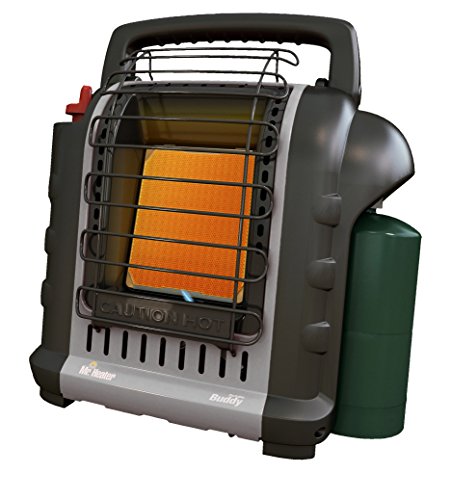
This portable propane radiant heater delivers 4,000–9,000 BTU, intended for spaces up to 225 square feet. It is listed as approved for indoor/outdoor use, offering nearly 100% combustion efficiency with clean-burning operation. Safety features include auto shut-off for tip-over, pilot outage, or low oxygen detection. The unit may shut off at altitudes above 7,000 feet, which is relevant for high-elevation trailer use.
Benefits for trailer owners include quick radiant warmth, portability for spot heating, and simple propane fuel. Consider ventilation needs and manufacturer guidance when operating inside enclosed trailer spaces. Installation is not required—this is plug-and-play with a propane cylinder connection and works well as a primary or supplemental heat source for smaller trailers or to warm a sleeping area.
VEVOR 8KW Diesel Air Heater With App Control

This 8 kW diesel air heater is designed for vehicle, trailer, and boat environments and covers roughly 215–269 ft². It features a sandblasted aluminum heat exchanger for rapid heat transfer, automatic altitude compensation up to 18,045 ft, and multiple control options including a Bluetooth app, remote, and LCD controller.
Call 888-896-7031 for Free Local HVAC Quotes – Compare and Save Today!
Key system traits: 12V rated voltage for vehicle integration, fast warm-up (heat in ~10 minutes), and adjustable target temperatures from 46°F–96.8°F. For trailer installations, this heater requires mounting, fuel line integration, exhaust routing, and electrical supply. It is suited to users seeking a permanent or semi-permanent heating solution with remote preheat capabilities and reliable performance at altitude.
Mr. Heater 20,000 BTU Vent-Free Propane Heater
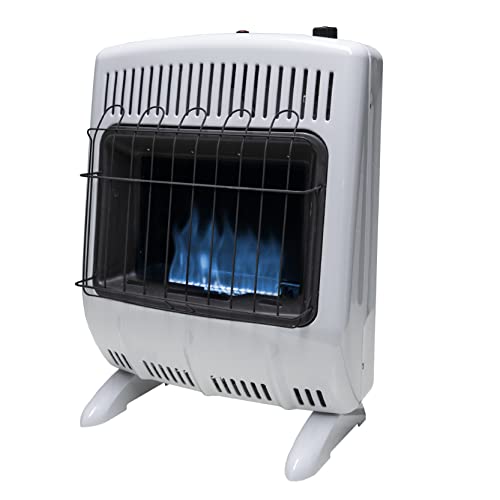
This vent-free blue flame propane heater provides up to 20,000 BTU, suitable for larger trailers, additions, or cabins up to 700 sq. ft. It includes a thermostat for temperature control and battery-powered electronic ignition. The heater is equipped with an Oxygen Depletion Sensor (ODS) that automatically shuts off in low-oxygen conditions, supporting safety during indoor use.
Considerations for trailer use: vent-free appliances increase indoor humidity and require properly sized space and ventilation planning. The unit is designed for stable wall mounting and long-run operation, making it appropriate where steady whole-space heating is required. Installation typically requires routing for propane supply and mounting to a stable wall surface.
BISELONG 2.5 Gallon Under-Sink Electric Water Heater
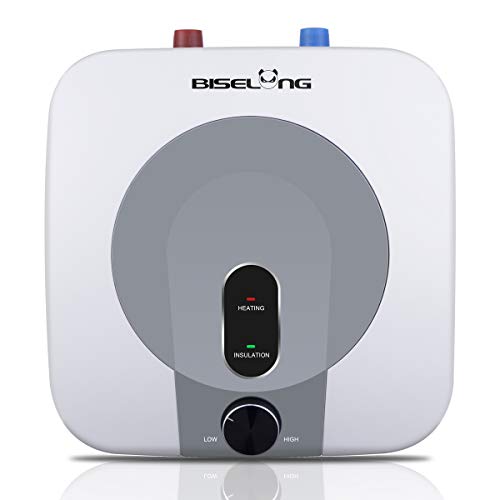
This compact electric 2.5-gallon hot water storage tank is constructed from 304 stainless steel and includes a 1500W “L” shaped heating element for fast temperature recovery. It is targeted at under-sink installations to supply hot water to one or two sinks within minutes and claims high thermal efficiency with integrated smart inverter control.
Call 888-896-7031 for Free Local HVAC Quotes – Compare and Save Today!
For trailer owners, this type of unit provides on-demand hot water without relying on a vehicle fuel source. Key installation requirements include 110–120V electrical access, plumbing connections with compatible fittings, and cabinet space. The heater reduces wait time for hot water and can be paired with a space heater for overall comfort during cold weather travel.
FIPEUN Compact 2.5–3.0 Gallon Electric Water Heater

This small electric tank water heater is designed for under-sink or countertop installation in trailers, food trucks, and compact spaces. The inner 304 stainless steel tank and foam insulation aim to retain heat for extended periods, and built-in safety features include anti-leak protections and anti-scald settings.
Operational notes: the manufacturer specifies filling the tank before powering to avoid element damage. The unit is appropriate where 110/120V shore power is available and can serve as a dedicated hot water source for kitchen and personal wash areas. It offers a straightforward electrical and plumbing install compared to fuel-based water heaters.
Buying Guide: Choose The Right Trailer Heater
Selecting the ideal heater for a trailer depends on multiple factors including space, fuel availability, ventilation, power capacity, and intended usage patterns. Below are key considerations and comparisons to help match needs to product types.
Heating Type And Fuel Source
- Propane Radiant Heaters: Provide quick spot heat with high efficiency and portability. Best for small spaces and intermittent use. Consider oxygen sensors and ventilation requirements.
- Diesel Air Heaters: Offer robust, vehicle-integrated heat using the trailer’s diesel supply. Good for permanent installs and remote preheating via app or timer. Require exhaust routing and mounting space.
- Vent-Free Propane Units: Deliver steady whole-space heating but add moisture to indoor air; require careful sizing and safe operation checks.
- Electric Water Heaters: Not space heaters, but essential for occupant comfort via hot water. Require shore power or robust inverter capacity.
Space Size And BTU Requirements
- Estimate trailer cubic footage and use BTU capacity to size a heater. Portable radiant units typically handle small areas up to ~225 sq ft, while 20,000 BTU vent-free units serve much larger spaces.
- Diesel air heaters are rated in kW and coverage area; match kW rating with the trailer’s insulation level and desired warm-up time.
Power And Fuel Availability
- Propane: Common on trailers, portable cylinders or hard-line supply. Good for off-grid operation but requires monitoring fuel supply.
- Diesel: Ideal if your vehicle or trailer already uses diesel; provides long runtime and integration with vehicle systems.
- Electric: Requires shore power or inverter/ generator capacity. Electric heaters and water heaters need reliable 110–120V circuits.
Installation And Venting
- Portable Units: Minimal installation; consider stable placement, clearances, and CO/ODS alarms if using inside.
- Hard-Mounted Heaters: Diesel and wall-mounted propane units require cutouts, exhaust routing, and fuel line runs. Factor professional installation for safety and warranty compliance.
- Vent-Free vs. Vented: Vent-free heaters are simpler to install but increase indoor moisture and rely on ODS systems. Vented systems remove combustion byproducts but require more complex installation.
Altitude And Climate Considerations
- High-elevation operation can impact combustion-based heaters. The VEVOR unit lists automatic altitude compensation, while the Mr. Heater Buddy may shut off above certain elevations. Confirm altitude specs for reliable performance.
- Cold climates favor sealed combustion or higher BTU capacity to overcome heat losses from a less-insulated trailer.
Safety Features And Regulations
- Look for oxygen depletion sensors (ODS), tip-over protection, automatic shut-off, and certified listings for indoor use.
- Install carbon monoxide and propane detectors in trailers using combustion heaters, and follow manufacturer clearance and ventilation instructions.
Hot Water Needs Versus Space Heating
- Separate systems often work best: a compact electric water heater for sinks/showers and a dedicated space heater for climate control.
- Compact 2.5–3.0 gallon tanks provide rapid hot water recovery for small sinks but check recovery time, insulation, and power draw relative to on-board electrical capacity.
Control, Convenience, And Maintenance
- Remote controls and Bluetooth app integration (as with some diesel heaters) add preheat convenience and scheduling capability.
- Maintenance items include fuel filter replacement, exhaust inspection, and occasional descaling for water heaters. Consider access for service when planning installations.
Comparison Perspectives
- Portability vs. Permanence: Portable propane is easy to move; diesel and wall units are permanent and provide consistent heat.
- Cost To Operate: Diesel and propane combustion units use stored fuels; electric heaters depend on shore power rates or generator/inverter capacity. Compare fuel logistics and energy sources where you camp.
- Complexity: Electric water heaters and portable propane units are simpler to install than diesel air heaters or wall-mounted vent-free systems.
Use this guide to weigh heating capacity, fuel logistics, installation complexity, and safety features. Matching product specifications to your trailer’s insulation, available power, and typical operating conditions will produce the most reliable and comfortable heating solution.
Tips for Getting the Best HVAC Prices
- Prioritize Quality Over Cost
The most critical factor in any HVAC project is the quality of the installation. Don’t compromise on contractor expertise just to save money. - Check for Rebates
Always research current rebates and incentives — they can significantly reduce your overall cost. - Compare Multiple Quotes
Request at least three estimates before making your choice. You can click here to get three free quotes from local professionals. These quotes include available rebates and tax credits and automatically exclude unqualified contractors. - Negotiate Smartly
Once you've chosen a contractor, use the proven strategies from our guide — How Homeowners Can Negotiate with HVAC Dealers — to get the best possible final price.