Best Heater System for House: Whole-Home Heat Pumps and Water Heaters
Choosing the right heater system for your house depends on home size, fuel type, efficiency goals, and whether you need space heating, domestic hot water, or both. The following reviews focus on whole-home HVAC and water-heating components plus thermostats and scale protection that affect performance and longevity.
Product
Type
Brand
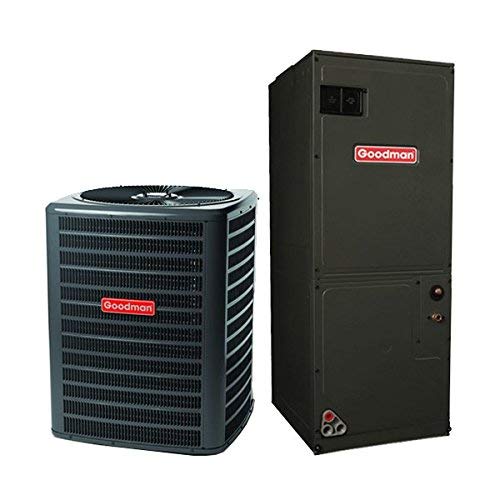
Goodman 2 Ton Heat Pump System
Heat Pump + Air Handler
Goodman
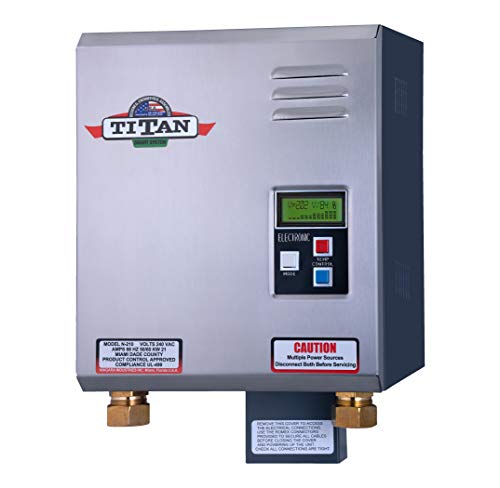
Titan Tankless N-210 Whole House Water Heater
Tankless Water Heater
Titan
Waterdrop AP431 Whole House Scale Inhibitor Filter
This Goodman listing describes a paired heat pump and multi-position air handler intended as a complete HVAC solution for space heating and cooling. Key design points include corrosion-resistant materials, grooved tubing for efficient heat transfer, and factory testing such as helium pressure tests. The heat pump is pre-charged for a limited line set length and includes service valves and inspection ports for technician access.
Features to note from the product description: multi-position air handler compatibility, a recommended heat kit for cold climates, and a manufacturer parts warranty. This system is positioned for retrofit or new-install applications where a central forced-air solution is desired.
The Titan N-210 is a tankless (on-demand) water heater designed for whole-house domestic hot water. The product emphasizes a stainless-steel cover and bottom water connections for inlet and outlet, a layout that may simplify installation in constrained spaces.
Call 888-896-7031 for Free Local HVAC Quotes – Compare and Save Today!
Important operational considerations for tankless systems include required gas/electric supply capacity, flow rates, and matching unit output to household hot water demand. Tankless units can reduce standby heat losses compared with storage tanks but require proper sizing and potentially upgraded fuel or electrical service for high-demand homes.
Waterdrop AP431 Whole House Scale Inhibitor Filter
The Waterdrop AP431 is a scale inhibitor designed to reduce mineral scale formation in water heaters, boilers, and plumbing using food-grade polyphosphates. The vendor highlights scale prevention as a method to protect heating appliances and maintain energy efficiency.
Notable specifications include a high-flow 3/4″ NPT inlet/outlet supporting up to 10 GPM and suitability for inline installation on household plumbing. Using a scale inhibitor can help maintain heat-exchanger efficiency and reduce maintenance for both tank and tankless water heaters in hard-water areas.
The Garystat thermostat is a non-programmable heat pump controller supporting 2 heat/1 cool configurations. It is described as compatible with heat pump systems and conventional forced-air furnaces and can be configured for electric or gas/oil systems, excluding line-voltage baseboard heating.
Call 888-896-7031 for Free Local HVAC Quotes – Compare and Save Today!
Key product notes include a large green LCD, temperature and humidity monitoring, and compatibility caveats—buyers are advised to verify wiring compatibility with existing thermostats. This model targets users seeking a simple, reliable interface for heat-pump HVAC control without scheduling features.
This Mroinge device is another non-programmable heat pump thermostat for 2 heat/1 cool systems, featuring a large display for room temperature and humidity. The description emphasizes easy installation and readability, appealing to households needing basic control without advanced scheduling.
As with similar thermostats, it’s important to check compatibility with your existing HVAC wiring and to confirm the unit does not support line-voltage baseboard systems or certain specialty setups. The product is positioned for straightforward replacement of compatible thermostats in central forced-air and heat pump homes.
Buying Guide: Choosing The Right Heater System For Your House
Define Your Heating Needs: Determine whether you need whole-home space heating, domestic hot water, or both. Heat pumps address space heating and cooling; tankless units provide on-demand hot water. Match system type to household priorities.
Climate And Performance: In mild-to-moderate climates, air-source heat pumps are efficient year-round. In colder regions, consider a heat kit, cold-climate heat pump models, or supplemental heat sources. Tankless water heaters perform better if incoming water temperatures and flow demands are matched to unit capacity.
System Sizing: Proper sizing is critical. For heat pumps and air handlers, a qualified HVAC contractor should perform load calculations (Manual J) to select capacity (tons) and airflow. For tankless water heaters, size for peak simultaneous flow (showers, appliances).
Compatibility And Controls: Thermostats must match system control type (heat pump vs. conventional furnace) and terminal wiring (2H/1C, 1H/1C, line voltage). Non-programmable thermostats offer simplicity; programmable or smart thermostats add scheduling and remote control. Verify compatibility before purchase.
Water Quality And Appliance Longevity: Hard water increases scale on heat exchangers and tanks. A scale inhibitor or water softening solution can protect water heaters and boilers, improving efficiency and reducing repairs. Choose fittings and flow ratings that match home plumbing.
Installation And Serviceability: Many whole-house systems require professional installation, refrigerant handling, electrical upgrades, or gas-line work. Confirm local contractor availability, warranties, and service access features (service valves, accessible filter locations).
Energy Efficiency And Operating Costs: Compare SEER, HSPF, and AFUE or efficiency ratings for HVAC and EF or energy factor for water heaters. Higher efficiency often reduces operating costs but may increase upfront equipment and installation costs. Consider utility incentives and rebates.
Durability And Materials: Look for corrosion-resistant components (aluminum or stainless-steel) on air handlers and outdoor coils, and quality heat exchanger materials in water heaters. Manufacturer testing and warranty terms indicate expected reliability.
Controls And Features: Decide whether you need advanced controls—Wi‑Fi, app access, timers, or simple large-display thermostats. Smart features can aid energy management but require network setup and possibly ongoing firmware support.
Safety And Local Codes: Ensure equipment complies with local building and mechanical codes, especially for fuel-burning appliances and venting. Professional installers will ensure code compliance and safe operation.
Comparison Perspectives:
Tips for Getting the Best HVAC Prices
Prioritize Quality Over Cost The most critical factor in any HVAC project is the quality of the installation. Don’t compromise on contractor expertise just to save money.
Check for Rebates Always research current rebates and incentives — they can significantly reduce your overall cost.
Compare Multiple Quotes Request at least three estimates before making your choice. You can click here to get three free quotes from local professionals. These quotes include available rebates and tax credits and automatically exclude unqualified contractors.