
Inline heaters are compact heating elements designed to warm fluid or air within a flow line. This guide compares five in-line and point-of-use heaters suitable for aquariums, baths, spotters, and under-sink applications. Below is a quick comparison of the selected products to help you scan features and intended uses.
| Product | Primary Use | Key Feature |
|---|---|---|
| BISELONG 2.5 Gallon Mini Tank | Under-sink Point-Of-Use | Fast recovery, smart inverter |
| Mosquito-America 3-Gallon Heated Spotter | Carpet/Spot Cleaning / Commercial Spotter | 201°F Stainless Steel Inline Heater |
| Aquael Inline Flow Heater 300W | Aquariums | External Mount Flow Heater |
| SpaGuts Universal Inline Bath Heater Kit | Bath / Spa Inline Heating | Built-in pressure switch, 1.5kW |
| Hydro Quip H-Q Inline Heater | Spa/Bath Inline Heater | 1kW compact inline unit |
BISELONG 2.5 Gallon Mini Tank Under Sink Water Heater
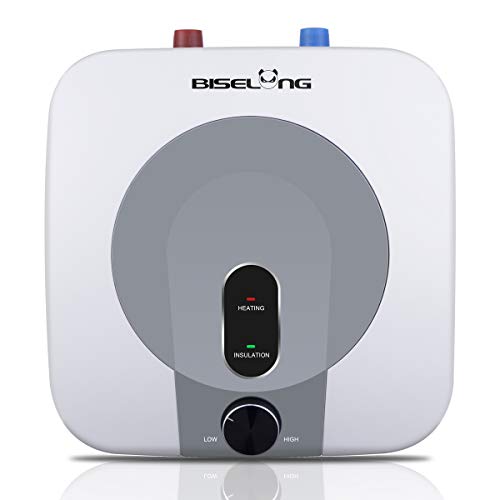
The BISELONG unit is a compact under-sink storage heater designed for point-of-use hot water. Its stainless steel tank and laser welding claim corrosion resistance, while a 1500W “L” shaped heating element increases heat exchange area for faster recovery. The product features a built-in smart chip and thermal efficiency claims that support maintaining set temperatures and reducing scale buildup.
Applications: ideal for small kitchens, RVs, and food trucks where a compact hot-water reservoir is preferred over immersion inline elements. The unit lists quick warm-up times and plug-in convenience for independent installation.
Considerations: this device is storage-based rather than a true inline flow heater; installation requires space under a sink and proper electrical connection. The features emphasize rapid recovery and insulation for steady output.
Mosquito-America 3-Gallon Heated Spotter With Inline Heater

Call 888-896-7031 for Free Local HVAC Quotes – Compare and Save Today!
This Mosquito-America spotter combines a vacuum motor, solution pump, and an integrated 201°F stainless steel in-line heater. The unit is configured for cleaning applications where heated solution improves soil removal. It includes hoses and a hand tool for immediate use and lists heavy-duty components such as sealed marine-grade bearings and epoxy-coated vacuum fans.
Applications: commercial and heavy-duty residential spot cleaning where hot cleaning solution enhances extraction effectiveness. The in-line heater element warms solution to high temperatures suitable for stain and grease removal during spot cleaning tasks.
Considerations: designed as a ready-to-go spotter rather than a plumbing inline heater; electrical and pump specifications are targeted to carpet care professionals. Warranty information varies by component (lifetime body, limited pump/motor coverage).
Aquael Inline Flow Heater 300W For Aquariums

The Aquael Flow Heater is an externally mounted inline heater rated at 300W for aquariums from roughly 25 to 160 US gallons. Its design places the heating element outside the tank and within the return line, keeping the aquarium visually clear of submerged heaters. The unit emphasizes a high-efficiency heating element for fast response and stable temperature maintenance.
Applications: freshwater and marine aquaria where stable water temperature and a clean tank aesthetic are priorities. External mounting simplifies maintenance and prevents direct contact between livestock and heating elements.
Call 888-896-7031 for Free Local HVAC Quotes – Compare and Save Today!
Considerations: match wattage to tank size and flow rate for best results. External inline heaters depend on proper plumbing orientation and secure connections to the return pump for consistent heat transfer.
SpaGuts Universal Inline Bath Heater Kit 1.5KW

The SpaGuts kit is a stainless steel inline bath heater sized at roughly 7″ x 1.5″ with a 1.5kW Incoloy heating element. It includes a built-in pressure or vacuum switch that activates heating based on flow, an automatic thermostat with a 104°F limit, reversible mounting, hi-limit protection, and multiple pipe fittings for common installations.
Applications: retrofitting small baths, footbaths, and spa lines where on-demand inline heating is required without large heater bodies. The built-in pressure switch is designed to ensure the element only energizes during flow, enhancing safety and efficiency.
Considerations: electrical rating and circuit compatibility must be checked before installation. The kit format targets installers who need flexible mounting and standard plumbing adapter options.
Hydro Quip H-Q Inline Spa Heater 1kW

The Hydro Quip PH101-10UV inline heater is a compact 1kW unit intended for spa or bath inline heating. Sized approximately 1.5″ x 7″, this inline element is designed to integrate with recirculation plumbing to add heat directly into flow, suitable for smaller systems seeking modest power input for temperature maintenance.
Applications: small spas, footbaths, or low-flow recirculation systems where supplemental inline heating is preferred. The compact footprint allows installation in tight plumbing runs.
Considerations: wattage is modest, so evaluate system heat loss and desired temperature rise. Confirm electrical compatibility and any required controls or safety interlocks for safe operation.
Buying Guide For Inline Heaters
Choosing an inline heater requires matching the heating device to the fluid, flow rate, and application environment. Below are the key considerations and comparison perspectives to help make an informed selection.
1. Application And Fluid Type
Identify whether you need to heat water for domestic point-of-use, spa/bath lines, aquarium water, or cleaning solutions. Fluid chemistry matters: saline aquarium water, chemical cleaning solutions, and potable water have different material compatibility requirements.
2. Heater Type: Inline Element vs. Mini Tank
- Inline Element: Heats liquid while it flows through the pipe. Good for continuous heating and systems with recirculation. Consider for baths, aquaria, and spotters.
- Mini Tank (Point-Of-Use): Stores hot water and delivers it on demand. Better where short waits for volume are acceptable and for multiple outlet use at once.
3. Power Rating And Temperature Rise
Wattage determines the achievable temperature increase at a given flow rate. Use the rule: higher flow needs higher wattage to maintain setpoint. For aquaria, choose wattage based on tank volume and ambient heat loss. For inline spa heaters, evaluate expected temperature rise per pass.
4. Flow Rate And Activation Method
Inline heaters often require a minimum flow or a built-in pressure switch to energize safely. Confirm that the unit’s activation threshold matches your pump’s output to avoid dry-firing or insufficient heating.
5. Material Compatibility And Corrosion Resistance
Look for stainless steel or Incoloy elements for corrosive or high-temperature applications. For aquaria and potable water, ensure materials are food-safe and certified where applicable.
6. Controls, Safety Features And Limits
- Thermostat/Limit Control: Prevents overheating; check the max setpoint and whether the thermostat is automatic or manual.
- Hi-Limit/Overheat Protection: Critical for inline elements to prevent damage under low flow or blocked conditions.
- Pressure/Vacuum Switch: Ensures the heater runs only during proper flow.
- Certifications: ETL/UL or similar marks indicate tested electrical safety for space heaters and some electrical devices.
7. Installation & Plumbing Fit
Consider pipe size and included fittings. Universal kits like the SpaGuts provide multiple adapters, while some units require specific unions or threaded connections. Plan for reversible mounting and service access for maintenance.
8. Maintenance And Serviceability
Elements may require periodic inspection for scale or corrosion. For hard-water applications, pairing with a scale inhibition system can extend element life. Check whether the heater allows element replacement without full unit swap.
9. Energy Efficiency And Standby Loss
Mini tanks store heat and can have standby losses; good insulation reduces losses. Inline heaters heat on demand with lower standby energy but require pump energy. Consider the overall system energy profile for your usage patterns.
10. Matching Heater To Use Cases — Comparison Perspectives
- Commercial Cleaning: Choose robust spotters with high-temperature inline heaters and durable pump/motor components (e.g., Mosquito-America).
- Aquariums: Prefer externally mounted inline heaters built for continuous contact with salt/fresh water and accurate response (e.g., Aquael).
- Spa/Bath Retrofit: Inline kits with pressure switches and hi-limit protection streamline installation and safety (e.g., SpaGuts, Hydro Quip).
- Under-Sink Hot Water: Mini-tanks or small storage units provide immediate hot supply to multiple fixtures; check recovery time and tank capacity (e.g., BISELONG).
11. Electrical Requirements
Confirm voltage and amperage. Small inline elements often run on 110–120V circuits; higher wattage units may require dedicated circuits or 220V supply. Match the device rating to your available wiring and breaker sizing.
12. Warranty And Support
Compare warranty scope for element, pump, and body. Commercial gear may offer extended body coverage but limited pump/motor warranties. Verify replacement part availability for long-term serviceability.
13. Installation Safety Checklist
- Verify electrical circuit capacity and ground fault protection if installed near water.
- Ensure proper flow activation device (pressure switch) is installed where required.
- Use corrosion-resistant fittings and thread sealants compatible with potable or process fluids.
- Test for leaks and correct thermostat operation before regular use.
14. Final Selection Tips
Prioritize material compatibility, activation method, and wattage-to-flow matching. For intermittent use with rapid demand, mini-tanks provide comfort. For continuous recirculation and integration into existing plumbing, inline elements deliver efficient on-the-fly heating.
Tips for Getting the Best HVAC Prices
- Prioritize Quality Over Cost
The most critical factor in any HVAC project is the quality of the installation. Don’t compromise on contractor expertise just to save money. - Check for Rebates
Always research current rebates and incentives — they can significantly reduce your overall cost. - Compare Multiple Quotes
Request at least three estimates before making your choice. You can click here to get three free quotes from local professionals. These quotes include available rebates and tax credits and automatically exclude unqualified contractors. - Negotiate Smartly
Once you've chosen a contractor, use the proven strategies from our guide — How Homeowners Can Negotiate with HVAC Dealers — to get the best possible final price.