
Choosing an indirect propane heater involves balancing safety, heat output, ventilation, and installation needs. Below is a concise comparison of five relevant propane heating options that cover vent-free wall units, infrared radiant units, and portable propane heaters suitable for semi-enclosed spaces.
| Product | Type | BTU Range | Best For |
|---|---|---|---|
| Mr. Heater MHVFBF20LPT | Blue Flame Vent-Free Wall Heater | 20,000 BTU | Whole Rooms, Cabins |
| Dyna-Glo IR30PMDG-1 | Infrared Vent-Free Wall Heater | 6,000–30,000 BTU | Large Open Areas, Direct Radiant Heat |
| Mr Heater 4000–18000 BTU Unit | Portable LP Gas Heater (Dual Tank) | 4,000–18,000 BTU | Garages, Patios, Portable Needs |
| OKF Propane Heater 6000–18000 BTU | Portable Indoor/Outdoor Heater | 6,000/12,000/18,000 BTU | Garages, Tents, Camping |
| Mr. Heater Portable Buddy MH9BX | Portable Radiant Propane Heater | 4,000–9,000 BTU | Small Enclosed Areas, Personal Warmth |
Mr. Heater MHVFBF20LPT 20,000 BTU Blue Flame Vent Free Propane Heater
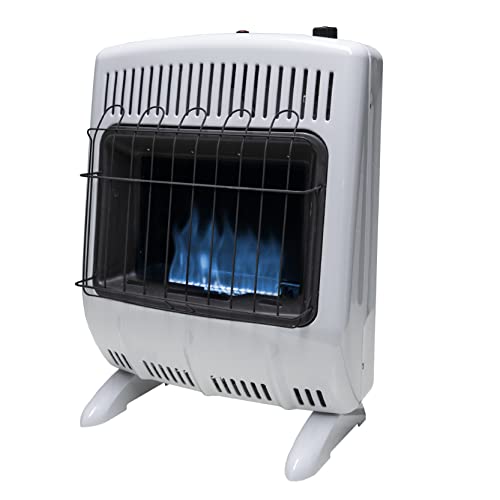
This is a vent-free blue flame wall heater designed for spaces up to approximately 700 sq. ft. It provides consistent convective heat, distributing warm air throughout the room rather than focusing on direct radiant heating.
Key features include a 20,000 BTU output, a built-in thermostat for temperature control, and battery-powered electronic ignition for convenient start-up. The unit includes an Oxygen Depletion Sensor (ODS) that shuts off fuel if oxygen falls below safe levels, an important safety measure for indoor vent-free devices.
Installation is wall-mounted and intended for rooms, cabins, or additions where a vent-free solution is acceptable and local codes permit. This model lists elevation capability up to 4,500 ft and a steady fuel consumption rate for planning supply needs.
Dyna-Glo IR30PMDG-1 30,000 BTU Liquid Propane Infrared Vent Free Wall Heater

Call 888-896-7031 for Free Local HVAC Quotes – Compare and Save Today!
This infrared vent-free wall heater radiates heat like the sun, warming objects and people directly. Infrared systems are often preferred where targeted, immediate warmth is desired without excessive air movement.
It offers variable output from 6,000 to 30,000 BTU, making it suitable for larger rooms or open floor plans up to about 1,000 sq. ft., depending on insulation and layout. Because it’s liquid-propane ready, fuel compatibility must meet local regulations and manufacturer instructions.
Infrared vent-free units are effective for spaces where radiant heat is preferable to convective warming. Users should note local code restrictions regarding vent-free appliances and consider ventilation and combustion air requirements before installation.
Mr Heater 4000 To 18000 BTU Portable LP Gas Heater Unit With Dual Tank Connection
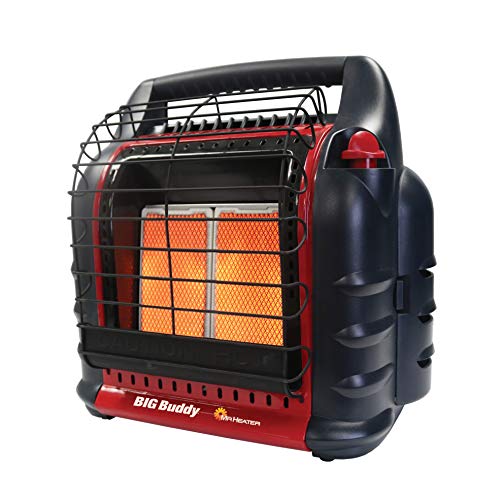
This portable unit aims to offer flexibility with three heat settings (4,000 / 9,000 / 18,000 BTU) and a dual tank connection option for longer run times. It works for both indoor and outdoor use where permitted.
Features include a single control knob with piezo spark ignition, automatic tip-over safety shutoff, and compatibility with larger propane tanks when using an additional hose. It’s intended for workshops, garages, porches, and similar spaces where a temporary or movable heat source is advantageous.
Call 888-896-7031 for Free Local HVAC Quotes – Compare and Save Today!
As a portable option, this unit prioritizes accessibility and adjustable output. Ensure compliance with indoor use guidelines and verify that the location allows use of portable propane heaters without dedicated venting.
OKF Propane Heater Indoor And Outdoor 6000 To 18000 BTU 3 Modes

The OKF model is a multi-mode portable propane heater with settings at 6,000, 12,000, and 18,000 BTU, covering up to about 450 sq. ft. It features pulse ignition and a supplied regulator and hose for a 20 lb propane tank.
Safety systems include Oxygen Depletion Sensor (ODS) and tip-over shutoff, giving layered protection for indoor or semi-enclosed use. Runtime estimates on low settings are provided by the manufacturer for planning fuel needs.
This heater targets users who need portable, adjustable heat with built-in safety features. As with other indoor-capable units, confirm compatibility with local codes and ensure adequate combustion air where used indoors.
Mr. Heater Portable Buddy Heater MH9BX 4,000-9,000 BTU Indoor-Safe Radiant Heater
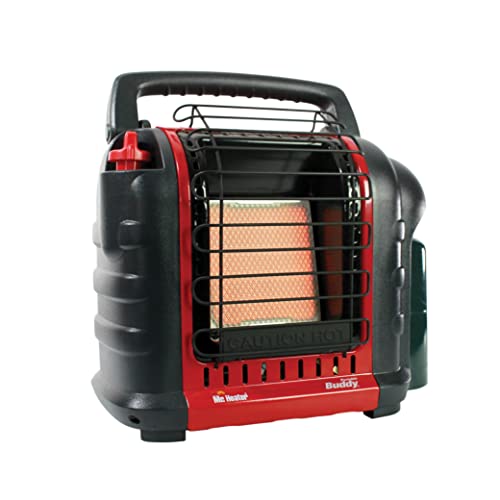
The Portable Buddy is a compact radiant propane heater with 4,000–9,000 BTU output designed for small spaces such as campers, workshops, and tents where indoor-safe operation is required.
Key elements include infrared radiant technology for direct warmth, an improved tip-over safety switch that audibly engages, and a durable piezo igniter for matchless starting. The manufacturer rates it for use in spaces up to approximately 225 sq. ft.
This model emphasizes portability and personal-zone heating. For indoor use, follow the factory safety guidance and verify that any enclosed space meets manufacturer combustion air requirements to minimize ODS triggers and maintain safe operation.
Buying Guide: How To Choose An Indirect Propane Heater
Selecting an indirect propane heater requires assessing several technical and practical factors. The following considerations evaluate heaters from multiple perspectives: performance, safety, installation, and operational costs.
Heat Type: Radiant vs. Convective
- Radiant (Infrared): Heats objects and people directly, useful for spot heating, outdoor-facing areas, and spaces with high ceilings.
- Convective (Blue Flame/Vent-Free): Warms air for whole-room comfort. Better for enclosed living spaces when vent-free units are allowed by code.
Vented vs. Vent-Free (Indirect Considerations)
- Vented/Indirect Installation: Requires a flue or sealed combustion chamber; exhausts combustion byproducts outside. Preferred for continuous indoor use and where indoor air quality is a priority.
- Vent-Free: Does not require a chimney, but relies on indoor air for combustion. Offers high efficiency but raises concerns about moisture and combustion byproducts; check local codes and ODS presence.
BTU Output And Space Size
- Match the BTU rating to the area—higher BTU for larger or poorly insulated spaces.
- Consider insulation, ceiling height, and room layout; open plans often need more output.
Safety Systems
- Oxygen Depletion Sensor (ODS): Shuts off gas if oxygen drops—critical for indoor/vent-free units.
- Tip-Over Protection: Important for portable heaters used in garages or temporary setups.
- Flame Failure Devices and Overheat Protection: Common on tankless water heaters and higher-end units to prevent unsafe conditions.
Fuel Supply And Runtime
- Determine compatibility with 20 lb vs. 40 lb tanks or hard-plumbed sources for continuous use.
- Check manufacturer runtime estimates at different settings to plan refills or dual-tank configurations.
Ignition And Controls
- Piezo Ignition: Reliable and battery-free for basic models.
- Electronic/Battery Ignition: Offers convenience and sometimes programmable thermostats.
Installation And Code Compliance
- Verify local building codes for vent-free appliance use, required clearances, and whether wall-mounted or portable units are permitted indoors.
- Professional installation is recommended for fixed wall heaters and vented systems to ensure safe combustion air and exhaust paths.
Maintenance And Durability
- Routine checks for regulator and hose condition, burner cleaning, and ODS function extend life and safety.
- For wall-mounted units, inspect seals and pilot systems per manufacturer schedules.
Use Case Perspectives
- Home Heating (Permanent): Prefer vented or high-quality vent-free blue flame units with ODS and thermostat control.
- Workshop/Garage: Portable units with tip-over protection and dual tank options offer flexibility and strong output.
- Camping/Tents: Use indoor-safe, low-BTU radiant heaters and follow all manufacturer safety warnings for enclosed spaces.
- Large Open Areas: High-BTU infrared wall units provide targeted warmth over wide floor areas with less warm-air stratification.
When comparing options, weigh installation complexity, ongoing fuel logistics, safety system availability, and compliance with local regulations. Proper sizing, ventilation, and adherence to manufacturer guidelines ensure safe and effective operation.
Tips for Getting the Best HVAC Prices
- Prioritize Quality Over Cost
The most critical factor in any HVAC project is the quality of the installation. Don’t compromise on contractor expertise just to save money. - Check for Rebates
Always research current rebates and incentives — they can significantly reduce your overall cost. - Compare Multiple Quotes
Request at least three estimates before making your choice. You can click here to get three free quotes from local professionals. These quotes include available rebates and tax credits and automatically exclude unqualified contractors. - Negotiate Smartly
Once you've chosen a contractor, use the proven strategies from our guide — How Homeowners Can Negotiate with HVAC Dealers — to get the best possible final price.