
Quick Overview: This guide compares several top indoor fuel heaters — including ventless gas fireplaces, portable propane radiant heaters, electric space heaters, kerosene convection heaters, and dual-fuel wall units — to help you choose based on fuel type, room size, and safety features.
| Product | Fuel Type | Output/Range |
|---|---|---|
| ProCom Ventless 25,000 BTU Fireplace | Propane (Ventless Gas) | 25,000 BTU — Up To 1,100 Sq. Ft. |
| Mr. Heater Portable Buddy MH9BX | Propane (Portable) | 4,000–9,000 BTU — Up To ~225 Sq. Ft. |
| Dreo Space Heater 1500W | Electric (Plug-In) | 1500W — Designed For Rooms/Offices |
| Dyna-Glo WK24BK Kerosene Convection | Kerosene (Liquid) | 23,800 BTU — Up To 1,000 Sq. Ft. |
| Mr. Heater MHVFDF20BFT Dual Fuel Wall Heater | Propane / Natural Gas (Vent Free) | 20,000 BTU — Up To 700 Sq. Ft. |
ProCom Ventless 25,000 BTU Space Saving Fireplace
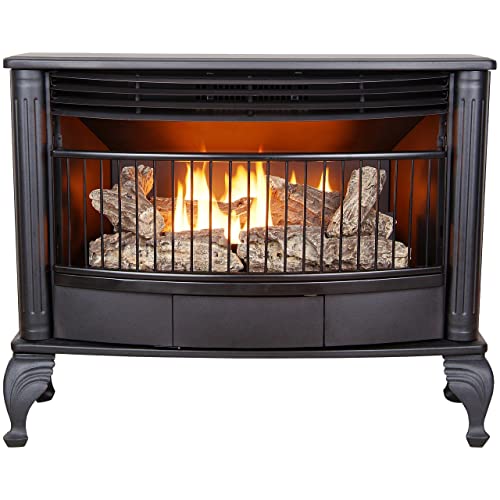
The ProCom Ventless 25,000 BTU is a free-standing indoor gas fireplace designed to deliver high heat without requiring a chimney or flue. According to the manufacturer, it heats up to 1,100 square feet and offers a built-in thermostat with variable heat settings for room-by-room temperature control.
Key design elements include hand-painted logs cast in concrete and refractory ceramic components for durability. As a ventless (unvented) propane unit, it relies on indoor combustion and therefore includes features typical to ventfree appliances, such as thermostat operation and safety controls. Ventless systems can provide high efficiency but require attention to indoor air quality and proper installation per local codes.
Mr. Heater Portable Buddy MH9BX
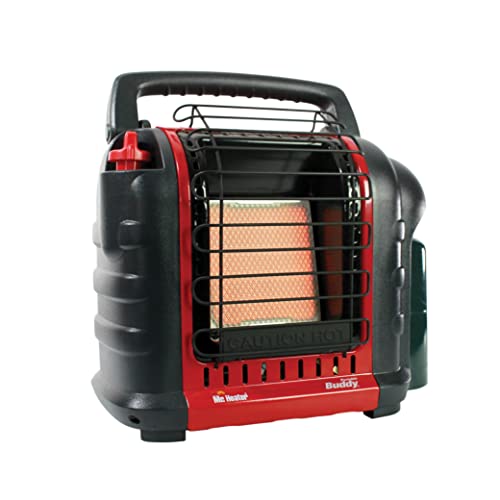
The Mr. Heater Portable Buddy MH9BX is a compact propane radiant heater offering 4,000 to 9,000 BTU output for small indoor spaces such as workshops, campers, and garages. It uses infrared-style radiant heat to directly warm people and objects, which can feel faster than convection for occupied areas.
Call 888-896-7031 for Free Local HVAC Quotes – Compare and Save Today!
Features listed include an improved tip-over safety switch with audible engagement, a durable Piezo igniter for matchless startup, and portability suited to temporary or supplemental heating. The unit is intended for indoor-safe use in appropriately ventilated and sized spaces, and performance is best in smaller areas up to the manufacturer’s recommended coverage.
Dreo 1500W Portable Electric Space Heater

The Dreo 1500W Space Heater is an electric PTC ceramic heater focused on safety and temperature precision. Its features include a digital thermostat with 1°F increments, a remote control, multiple modes, a 12-hour timer, and advanced tilt/overheat detection.
Electric heaters differ from fuel-based units by producing no combustion byproducts and requiring standard electrical power. This model emphasizes rapid warm-up and wider air circulation compared to traditional fan heaters, with ETL certification and flame-retardant materials for added safety in typical indoor applications like bedrooms and offices.
Dyna-Glo WK24BK 23,800 BTU Kerosene Heater
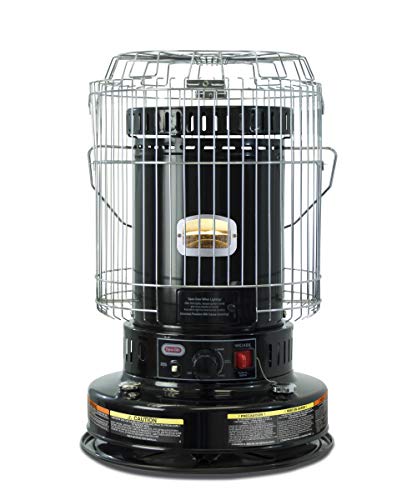
The Dyna-Glo WK24BK is a kerosene convection heater rated around 23,800 BTU/hr and marketed to heat spaces up to 1,000 square feet without electricity. It operates by burning liquid kerosene and distributing heat via convection currents rather than forced air.
Call 888-896-7031 for Free Local HVAC Quotes – Compare and Save Today!
Because it is no electricity needed, this heater can be valuable for off-grid or emergency scenarios, but kerosene units require fuel handling, regular maintenance, and adherence to indoor ventilation recommendations. Users should follow manufacturer instructions for refilling, storage, and odor mitigation in enclosed spaces.
Mr. Heater MHVFDF20BFT 20,000 BTU Dual Fuel

The Mr. Heater MHVFDF20BFT is a vent-free blue flame wall heater that operates on natural gas or propane, offering 20,000 BTU and coverage up to about 700 square feet. It is designed for convection heating, which provides even ambient warmth in rooms or additions.
Notable safety features include an automatic low-oxygen shutoff system (ODS), a two-step fuel connection to prevent incorrect hookups, and a fuel selector knob that allows switching between propane and natural gas. As a ventless appliance, it provides efficient heat but requires awareness of indoor air quality and local code compliance.
Buying Guide: Choosing The Right Indoor Fuel Heater
Selecting an indoor fuel heater involves balancing fuel type, heating capacity, safety, and intended use. The following considerations cover practical comparison perspectives for home, emergency, and portable heating needs.
Tips for Getting the Best HVAC Prices
- Prioritize Quality Over Cost
The most critical factor in any HVAC project is the quality of the installation. Don’t compromise on contractor expertise just to save money. - Check for Rebates
Always research current rebates and incentives — they can significantly reduce your overall cost. - Compare Multiple Quotes
Request at least three estimates before making your choice. You can click here to get three free quotes from local professionals. These quotes include available rebates and tax credits and automatically exclude unqualified contractors. - Negotiate Smartly
Once you've chosen a contractor, use the proven strategies from our guide — How Homeowners Can Negotiate with HVAC Dealers — to get the best possible final price.
Fuel Type And Use Case
- Propane/Natural Gas (Vent-Free): High output and efficient for permanent or semi-permanent installations. Ventless units provide high heat but require monitoring of indoor air quality and adherence to local regulations.
- Portable Propane (Radiant): Good for spot heating and temporary use (campers, workshops). Radiant heaters warm objects and people quickly but are best for small, well-ventilated areas.
- Kerosene: Useful where electricity is unavailable. Provides sustained heat and is often used for emergency or off-grid heating; requires safe fuel storage and ventilation.
- Electric: Clean operation with no combustion byproducts; best for indoor living spaces where outlets are available and combustion fuel is undesirable.
- Canned or Gel Fuels: Compact and useful for micro-stove/heater units; limited heat output and runtime but useful for emergency cooking and short-term warmth.
Room Size And Heat Output
- Match BTU or watt output to room square footage. Higher BTU suits larger, open areas; lower-output devices are better for small rooms or personal heating.
- Consider ceiling height and insulation. Poorly insulated spaces require more output to maintain temperature.
- Radiant vs. convection: Radiant units heat objects and people directly (good for occupied spaces), while convection units circulate warm air to raise ambient temperature.
Safety Features And Indoor Air Quality
- Automatic Shutoffs: Look for tip-over switches, overheat protection, and low-oxygen/ODS sensors on combustion appliances.
- Ventless Appliance Considerations: Ventless heaters are efficient but release combustion byproducts indoors. Monitor CO and indoor moisture levels and follow manufacturer clearance and ventilation guidance.
- Certifications: ETL/CSA/UL listings indicate third-party safety testing. Check for specific indoor-use ratings on portable propane and kerosene units.
Installation, Venting, And Local Codes
- Permanent vent-free gas heaters may require professional installation; check local building codes and fuel hookup requirements.
- Some jurisdictions restrict or regulate ventless gas appliances—verify code compliance before purchase.
- Portable heaters generally need less installation but should be placed on stable surfaces and away from combustibles.
Fuel Availability And Storage
- Consider fuel logistics: propane tanks, kerosene supply, or access to natural gas lines will influence operating convenience and long-term cost.
- Store fuels per safety guidelines in approved containers and locations away from living areas.
Portability And Backup Power
- For emergency or off-grid use, choose units that do not require electricity (kerosene, propane radiant, canned-heat stoves) or carry battery/electric start options.
- Electric heaters need reliable power; consider inverter capacity if using with backup battery systems.
Maintenance And Longevity
- Combustion units require periodic cleaning of burners and vents, fuel line inspection, and annual checks if permanently installed.
- Kerosene heaters need wick replacement and occasional servicing; canned fuels have shelf life considerations.
Performance Perspectives
- Efficiency: Vent-free gas units typically convert a high percentage of fuel energy to room heat but can increase indoor humidity.
- Speed: Radiant and electric PTC heaters provide quick perceptible warmth to occupants; convection systems take longer to raise ambient temperature but offer more even distribution.
- Cost Considerations: Factor fuel availability and long-term running considerations rather than upfront cost alone.
Practical Checklist Before Buying
- Confirm intended location and square footage.
- Check local codes for ventless or combustion appliance restrictions.
- Verify safety certifications and presence of ODS/auto shutoff.
- Decide on portability versus permanent installation.
- Plan for fuel supply, storage, and maintenance.