
Choosing the right inline coolant heater and compatible components improves cold-weather starts and engine longevity. Below is a quick comparison table of selected inline heater units, valves, and hoses to help you match features to your vehicle or equipment needs.
| Product | Type | Key Feature | Compatibility |
|---|---|---|---|
| DVPARTS 1500W 120V Option Engine Heater | Inline Coolant Pre-Heater | 1500W, 16mm inlet/outlet | Gensets, trucks, tractors, some cars |
| HOTSTART Engine Heater TPS151GT12-001 | Engine Coolant Preheater | 1500W, thermostatic ON/OFF 100–120°F | Diesel/gas engines, heavy equipment |
| JEGS Inline Water Control Valve | Flow Control Valve | 5/8″ Inlet/Outlet, dash or wall mount | Auxiliary heater assemblies |
| Boltigen 2Pack In-Line Shut Off Valve Kit | Shut Off Valve Kit | 5/8″ brass barb valves with clamps | Heater hoses, coolant lines |
| EVIL ENERGY 3/8″ Heater Hose 10FT | Coolant / Radiator Hose | 10ft EPDM hose, 100 PSI working pressure | Heater hose replacement, routing |
Content Navigation
- DVPARTS 1500W 120V Engine Heater Coolant Pre-Heater
- HOTSTART Engine Heater TPS151GT12-001 Coolant Preheater
- JEGS Inline Water Control Valve For Auxiliary Heater Assembly
- 2Pack In-Line Shut Off Valve For 5/8″ Heater Hose — Boltigen
- EVIL ENERGY 3/8″ Heater Hose 10FT Coolant Radiator Hose With Clamps
- Hirificing Car Heater Core Hose Fitting Connector T-Connector
- EVIL ENERGY 3/8″ Silicone Heater Hose Radiator Coolant Hose 5FT
- Buying Guide: How To Choose The Right Inline Coolant Heater And Components
DVPARTS 1500W 120V Engine Heater Coolant Pre-Heater

The DVPARTS inline unit is specified as a 1500 Watt, 120 Volt coolant pre-heater designed for heavy-duty applications. The product lists an inlet and outlet size of 16mm (0.629″), making it suitable for many medium and large coolant circuits. The manufacturer states compatibility with diesel and gasoline engines in gensets, heavy mobile equipment, marine applications, trucks, and some cars.
Features described include model/part number references and a temperature option range of 100–120°F via the listed option. For installations, the 16mm port sizing and electrical requirements should be checked against the vehicle or equipment manufacturer recommendations. The unit is intended to warm engine coolant to reduce engine wear during cold starts and to improve start reliability.
HOTSTART Engine Heater TPS151GT12-001 Coolant Preheater

This HOTSTART-listed unit is a 1500 watt, 120V inline coolant heater featuring a thermostatic control that switches on at 100°F (38°C) and off at 120°F (49°C). The description indicates applicability for diesel and gasoline engines, construction equipment, trucks, marine and industrial uses. The heater operates using the thermosiphon principle so no pump is required for some installations.
Call 888-896-7031 for Free Local HVAC Quotes – Compare and Save Today!
The product notes engine displacement guidance (350–500 CID / 5.7–8.2L) for certain applications. The thermostat range and wattage are important for determining warm-up speed and temperature stability. Installation planning should consider inlet/outlet sizes, hose routing, electrical supply, and mounting that maintains coolant flow and system pressure requirements.
JEGS Inline Water Control Valve For Auxiliary Heater Assembly
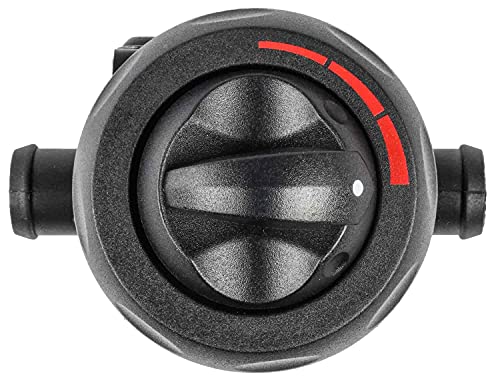
The JEGS inline valve is described as a 5/8″ inlet/outlet water valve intended to control hot coolant flow and act as a temperature control when used with an auxiliary heater assembly. The kit includes the valve body, a control knob, and a bezel for dash or wall mounting.
Key listed features emphasize its modern style and intended function to modulate heater flow. This valve is useful when adding an inline heater or redirecting coolant flow to prioritize cabin heating or preheating. When installing, confirm diameter compatibility with existing hoses and ensure mounting location supports valve control access and safe routing of coolant lines.
2Pack In-Line Shut Off Valve For 5/8″ Heater Hose — Boltigen

Boltigen provides a kit containing two 5/8″ heater hose brass shut off valves and four stainless steel clamps. The valves use quick plug-to-connect barbed fittings for fast hose attachment. The listing specifies a wide operating temperature range from -40°F to 230°F and pressure ratings of 150 PSI for steam and 600 PSI for water, oil and gas.
Call 888-896-7031 for Free Local HVAC Quotes – Compare and Save Today!
This kit is intended for inline control or isolation of heater hoses during maintenance or to isolate an auxiliary heater. The plug-to-connect design aims to create a tight seal quickly. Verify the barb and clamp sizes against hose wall thickness and internal diameter, and follow recommended clamp torque to prevent leaks.
EVIL ENERGY 3/8″ Heater Hose 10FT Coolant Radiator Hose With Clamps
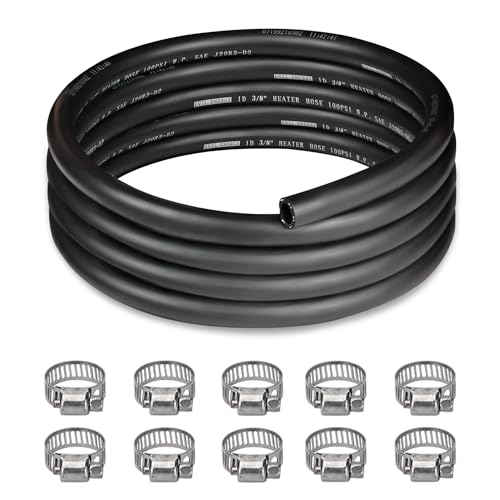
This EVIL ENERGY hose is listed as a 10-foot EPDM heater hose meeting SAE 20R3 standards with a working pressure of 100 PSI and burst pressure of 300 PSI. The inner diameter is stated as 3/8″ (9.5mm) with tolerances listed, and the temperature range is from -40°F to 257°F. The listing includes 10 clamps for installation.
As a coolant line, the hose is appropriate for routing between inline heaters, heater cores, valves, and junctions. EPDM construction is common for heater hoses due to flexibility and heat/oil resistance. Confirm inner diameter vs. heater inlet/outlet and clamp compatibility to maintain system pressure integrity and avoid leaks.
Hirificing Car Heater Core Hose Fitting Connector T-Connector

The Hirificing heater inlet hose fitting is a T-shaped 3-way connector designed to match original equipment dimensions for certain Cadillac, Chevrolet, and GMC applications. The listing highlights a leak-resistant fit, upgraded plastic material resistant to temperature extremes, and pressure testing for reliability.
This component is used when routing coolant to additional heaters or repairing firewall junctions. Compatibility with specific OEM part numbers should be confirmed before replacement. The T-connector’s sealing performance and dimensional accuracy are noted as the main functional claims.
EVIL ENERGY 3/8″ Silicone Heater Hose Radiator Coolant Hose 5FT

This EVIL ENERGY silicone hose is listed with a 3/8″ inner diameter, 5-foot length, braided polyester reinforcement, and a broad working temperature range from -67°F to 356°F. The working pressure is listed as 60 PSI with a burst pressure of 246 PSI. It meets SAE J20R3 Class A requirements per the product details.
Silicone heater hoses offer extended temperature tolerance and longevity compared to some rubber hoses. This product targets applications where high heat resistance or longevity is required. Ensure hose ID and clamp type match the inline heater fittings and verify minimum bend radius during routing to prevent kinking.
Buying Guide: How To Choose The Right Inline Coolant Heater And Components
When selecting an inline coolant heater or accessories, evaluate the system from multiple perspectives: electrical, fluid, mechanical, and operational.
Tips for Getting the Best HVAC Prices
- Prioritize Quality Over Cost
The most critical factor in any HVAC project is the quality of the installation. Don’t compromise on contractor expertise just to save money. - Check for Rebates
Always research current rebates and incentives — they can significantly reduce your overall cost. - Compare Multiple Quotes
Request at least three estimates before making your choice. You can click here to get three free quotes from local professionals. These quotes include available rebates and tax credits and automatically exclude unqualified contractors. - Negotiate Smartly
Once you've chosen a contractor, use the proven strategies from our guide — How Homeowners Can Negotiate with HVAC Dealers — to get the best possible final price.
Electrical And Power Considerations
- Wattage And Voltage: Match heater wattage to engine size and available electrical supply. Typical inline preheaters are offered in 1000–1500W for 120V circuits; confirm circuit capacity and breaker rating.
- Thermostatic Control: Thermostatic on/off settings affect how the heater maintains temperature. Units with integrated thermostats reduce runtime but check activation/deactivation points to match your needs.
- Installation Wiring: Confirm wiring gauge, connector type, and whether a dedicated circuit or relays/timers are recommended for safe operation.
Fluid And Flow Compatibility
- Inlet/Outlet Diameter: Ensure the heater’s port size matches hose ID or use adapters to avoid flow restriction.
- Flow Principle: Some heaters rely on thermosiphon (natural convection) while others require pump-assisted flow. Verify compatibility with your coolant circulation arrangement.
- Pressure And Temperature Ratings: Confirm working pressure and max temperature are appropriate for your cooling system to avoid hose or component failure.
Material And Durability
- Hose Material: EPDM is common and flexible; silicone offers higher temperature resistance and longer life. Choose material per operating temperature and exposure to oils/chemicals.
- Valve And Connector Materials: Brass valves and stainless clamps resist corrosion. Plastic connectors may be OEM replacements but check quality for freeze/thaw cycles.
- Reinforcement And Standards: Look for SAE or JIS standards like SAE J20R3 for heater hoses to ensure manufacturing consistency.
Installation And Fitment
- Space And Routing: Measure available space for heater placement, hose routing, and ensure minimum bend radius is maintained.
- Mounting Options: Consider whether the heater requires bracket mounting, if valves need dash access, or if components must be inline with OEM lines.
- Clamps And Seals: Use appropriate clamps rated for pressure and temperature. Ensure tight seals on barb fittings and torque clamps per recommendations.
Operational Considerations
- Start-Up Benefits: Inline heaters reduce cold-start wear and shorten warm-up time for cabins or engines. Match heater output to the expected ambient temperatures for effectiveness.
- Control Strategy: Decide between manual valves, thermostatic heaters, or timer/remote control solutions. A combination of thermostat and isolation valves can maximize efficiency.
- Maintenance Access: Install valves or shut-offs where they can be reached for service. Use quality fittings to minimize future leaks.
Compatibility Matrix For Common Use Cases
| Use Case | Recommended Heater Type | Recommended Accessories |
|---|---|---|
| Generator Or Heavy Equipment | 1500W inline heater with thermostat | Robust hoses, brass shutoff valves, secure mounts |
| Passenger Vehicle Preheat | Lower watt inline heater sized to coolant volume | Dash-mounted flow valve, OEM-fit connectors |
| Marine Applications | Corrosion-resistant heater with secure electrical protection | Stainless clamps, reinforced hoses, sealed connectors |
Installation Best Practices
- Verify Fit Before Cutting: Dry-fit hoses, valves, and heater units before final trimming.
- Use Correct Clamp Torque: Over-tightening can damage hoses; under-tightening causes leaks.
- Protect Electrical Circuit: Use fused circuits or relays as recommended by the heater manufacturer.
- Pressure Test After Install: Pressure check the system to detect leaks prior to operating the engine.
Regulatory And Safety Notes
- Follow Local Electrical Codes: Heater installations involving 120V circuits must comply with electrical safety standards.
- Heat Exposure: Route hoses away from sharp edges, exhaust, and moving parts to prevent premature failure.
- Manufacturer Guidance: Use OEM or manufacturer-specified parts where possible to maintain warranty and system integrity.