
Find The Right Heater Bypass Valve for improving cooling, reducing cabin heat bleed, or simplifying RV winterizing. This guide compares 5 popular heater bypass valves and kits for automotive and RV use, with installation notes and selection tips.
| Product | Type | Material/Notes |
|---|---|---|
| Uenede 5/8 Inch Heater Control Valve | 4-way Manual Ball Valve | Brass, 5/8″ hose barb |
| QEWHDJQ Solid Brass 5/8 Inch Valve | 4-way Manual Control Valve | Brass, 16mm (5/8″) |
| BesNPT 3/4in 4-way Valve | 4-way Manual Control Valve | Brass, 3/4″ hose |
| RecPro RV Water Heater Bypass Kit | RV Bypass Kit | PEX tubing, PPSU valves, NSF certified |
| Electronic Servo Controlled Bypass Valve Kit | Servo-Controlled Bypass Valve | Servo motor, adjustable control |
Uenede 5/8 Inch Heater Control Valve

This 4-way hose barb ball valve is designed to stop warm coolant circulation into the cabin when not required, helping improve A/C performance and reduce fuel consumption in hot weather.
- Application: Controls four channels to form two flow directions; suitable for automotive heating and pneumatic systems.
- Material/Size: Solid brass design with 5/8″ hose barb (fits ~16mm ID hose).
- Installation: Hose-barb connections; recommended use of clamps to prevent leakage and ensure a solid connection.
- User Benefit: Prevents warm water recirculation to the heater core, allowing the dashboard heater tank to cool in summer.
This valve emphasizes a compact mechanical solution for manually controlling heater bypass lines. It is typical for classic car heater retrofit or DIY HVAC adjustments where no electronic control is desired.
Solid Brass 5/8 Inch Heater Control Valve

This 4-way automobile heater valve is presented for improved cooling efficiency by stopping heater core flow in warm conditions. The listing notes broad temperature and pressure ranges suitable for engine coolant systems.
Call 888-896-7031 for Free Local HVAC Quotes – Compare and Save Today!
- Operating Range: Rated from -20°F to 305°F with working pressure around 1.6MPa.
- Design: Four-port configuration allows two selectable flow paths for summer/winter manual control.
- Installation: Tool-free installation claimed; no screws required, suited for DIY fitment on many systems.
- Use Case: Intended for vehicle A/C systems to reduce warm-air bleed and improve evaporator performance.
The valve’s temperature rating and brass body are appropriate for coolant environments. It is targeted at owners seeking a mechanical bypass option that tolerates typical under-hood conditions.
BesNPT 3/4in 4-Way Heating Water Valve

This model is a 3/4-inch brass 4-way heater valve offering manual summer/winter control. It’s aimed at systems using larger hose IDs and emphasizes durability for high-temperature coolant use.
- Modes: Manual winter and summer modes — close for winter to allow heater core flow, open in summer to bypass.
- Construction: Solid brass body with plated handle for wear resistance and high-temperature performance.
- Operating Specs: Claimed range from -4°F to 305°F and working pressure ~1.6MPa.
- Durability: Described as resistant to deformation and capable of long life in coolant environments.
This valve is suitable when hose dimensions are larger than 5/8″ or when a sturdier brass fitting is preferred for longevity under engine-heat exposure.
RecPro RV Water Heater Bypass Kit
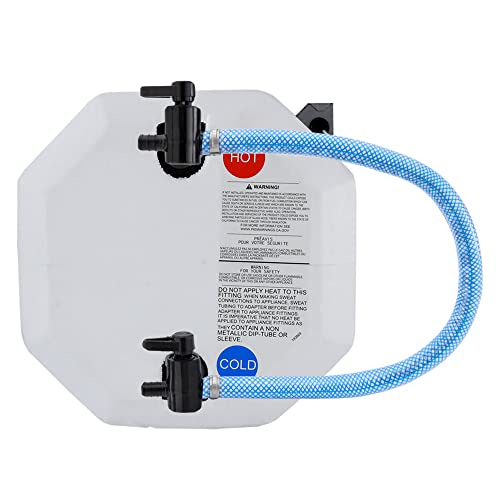
The RecPro kit is a complete RV water heater bypass solution designed to make winterizing and hot water isolation simple. It uses PEX tubing and PPSU valves rather than brass hose-barbs.
Call 888-896-7031 for Free Local HVAC Quotes – Compare and Save Today!
- Components: PEX tubing, crimp rings, and PPSU fittings; hand-tight installation with recommended quarter-turn.
- Certifications: Made in the USA and certified to NSF-61-9 and UPC/NSF Component standards.
- Material Benefits: PPSU valves are more resistant to heat, aggressive water, and chemicals compared to standard valves.
- Application: Intended for RV hot water heater bypass to divert water during winterizing or maintenance.
The RecPro kit focuses on plumbing standards and ease of installation for RV owners. It targets seasonal use and portable-system reliability rather than automotive coolant control.
Electronic Servo Controlled Bypass Heater Valve Kit
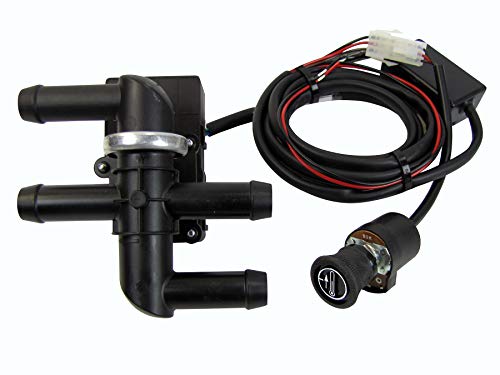
This kit pairs a high-torque servo motor with a bypass valve to provide adjustable electronic control of heater flow. It’s marketed for performance swaps and applications requiring precision temperature regulation.
- Control: Infinitely adjustable servo-driven actuation for varying heater temperature control.
- Application: Often used in engine swaps (noted for LS engine swaps) where integration with electronic control systems is desired.
- Benefit: Allows automated or switch-controlled bypassing for dynamic thermal management.
The servo solution suits users who need variable control or integration with digital control systems. It adds complexity and electrical integration compared to manual valves but enables precise temperature management.
Buying Guide: How To Choose The Right Heater Bypass Valve
Application Type: Determine whether the valve is for an automotive heater core, a performance swap, or an RV water heater. Automotive coolant valves and RV plumbing kits serve different fluids, pressures, and certification needs.
Material And Corrosion Resistance: Brass valves offer durability and high-temperature tolerance suitable for engine coolant. PPSU and PEX components are common for potable or RV water systems and offer chemical resistance and lighter weight.
Hose Size And Connection Type: Match the valve barb or port size to your hose inner diameter (e.g., 5/8″ ~16mm, 3/4″ ~19mm). Choose hose-barb, threaded, or crimp-style fittings compatible with your existing lines.
Operating Temperature And Pressure: Verify rated temperature and working pressure. Engine-cooling systems encounter high temperatures; valves rated to 300°F+ and appropriate pressure ratings are preferable.
Control Method: Manual ball valves offer simplicity and reliability. Electronic/servo-controlled valves provide automated or precise control and integrate with thermostats or engine management systems.
Sealing And Leak Prevention: Look for reliable sealing designs and follow manufacturer recommendations: use proper clamps, crimp rings, or thread sealant where applicable to prevent coolant or water leaks.
Installation Complexity: Consider whether you want a DIY-friendly, tool-free install or a kit requiring crimping, plumbing skills, or electrical integration for servos. Some units require no screws, while others need hose clamps or crimp tools.
Certification And Application-Specific Standards: For RV potable water systems, choose products with NSF/UPC certifications. For automotive use, prioritize materials and ratings suitable for coolant and under-hood exposure.
Durability And Maintenance: Brass bodies typically offer long life under heat cycling. Plastic or polymer valves used in RVs can reduce weight but pick materials rated for temperature and chemical exposure relevant to your system.
Comparison Perspectives:
- Cost vs. Longevity: Brass valves usually cost more than basic plastic alternatives but often provide longer service life in high-heat environments.
- Manual vs. Electronic: Manual valves are simpler and less failure-prone; electronic valves add control flexibility but require power, wiring, and possibly sensors or controllers.
- Automotive vs. RV: Automotive coolant valves must tolerate higher temperatures and engine bay contaminants. RV kits prioritize potable water safety and easy winterizing.
- Size Fitment: Confirm hose inner diameter and routing space; 5/8″ models fit many cars, while 3/4″ may be needed for larger plumbing lines.
Practical Tips:
Tips for Getting the Best HVAC Prices
- Prioritize Quality Over Cost
The most critical factor in any HVAC project is the quality of the installation. Don’t compromise on contractor expertise just to save money. - Check for Rebates
Always research current rebates and incentives — they can significantly reduce your overall cost. - Compare Multiple Quotes
Request at least three estimates before making your choice. You can click here to get three free quotes from local professionals. These quotes include available rebates and tax credits and automatically exclude unqualified contractors. - Negotiate Smartly
Once you've chosen a contractor, use the proven strategies from our guide — How Homeowners Can Negotiate with HVAC Dealers — to get the best possible final price.
- Before purchasing, measure hose ID and available clearance for the valve and handle rotation.
- Inspect valve orientation and ensure correct flow direction and mode selection for summer/winter operation.
- Always use recommended clamps or crimp rings and retighten after initial heat cycles.
- If integrating an electronic valve, plan wiring, mounting, and control logic ahead of time to avoid mid-installation issues.