
Inline gas heater can mean different devices: tankless gas water heaters that supply on-demand hot water, wall-mounted infrared or blue-flame space heaters, and larger unit heaters for garages or workshops. Below is a quick comparison of selected products to help determine which type fits your needs.
| Product | Type | Max BTU | Coverage / Flow |
|---|---|---|---|
| Orbek Natural Gas Tankless Water Heater | Tankless Water Heater | 100,000 | Up To 4.3 GPM |
| GASLAND Gasmart CE686NG | Tankless Water Heater | 199,000 | Up To 7.6 GPM |
| Mr. Heater Big Maxx MHU80NG | Unit Heater (Workshop) | 80,000 | Up To 2,000 Sq. Ft. |
| Dyna-Glo IR30NMDG-1 Infrared Wall Heater | Infrared Wall Heater | 30,000 | Up To 1,000 Sq. Ft. |
| ProCom MN300TPA-B Infrared Ventless Heater | Ventless Infrared Space Heater | 30,000 | Up To 1,400 Sq. Ft. |
Content Navigation
Orbek Natural Gas Tankless Water Heater

This Orbek unit is an indoor tankless natural gas water heater designed for continuous hot water delivery. It lists up to 100,000 BTU and a maximum of 4.3 GPM, suitable for supplying two to three fixtures simultaneously depending on inlet temperature and hot water demand.
Key features called out by the manufacturer include CSA certification, multiple safety protections (dry combustion, overheat, leakage, flame failure, high water pressure), and an oxygen-free copper heat exchanger for improved heat transfer and corrosion resistance. The unit offers selectable heating modes to match seasonal needs and improve energy use.
Considerations: installation requires proper venting, fuel supply sizing, and adherence to local codes for indoor gas appliances. Performance depends on inlet water temperature and gas pressure.
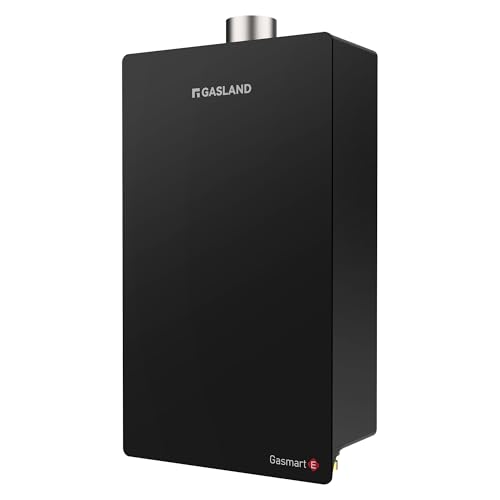
GASLAND Gasmart CE686NG Tankless Water Heater
Call 888-896-7031 for Free Local HVAC Quotes – Compare and Save Today!
The GASLAND Gasmart CE686NG is a high-capacity tankless gas water heater rated at 199,000 BTU with up to 7.6 GPM. It targets whole-house applications where simultaneous showers and appliances require strong flow and temperature recovery.
Manufacturer claims highlight energy efficiency with a UEF of 0.8, reduced NOx emissions, and a compact wall-mounted footprint for tight spaces like closets or basements. It is marketed for continuous hot water without the storage tank limitations.
Considerations: Given its high BTU output, check gas line capacity, venting requirements, and professional installation recommendations. Verify whether the unit’s modulation and minimum flow characteristics suit low-flow fixtures if partial loads are common.
Mr. Heater Big Maxx MHU80NG Unit Heater
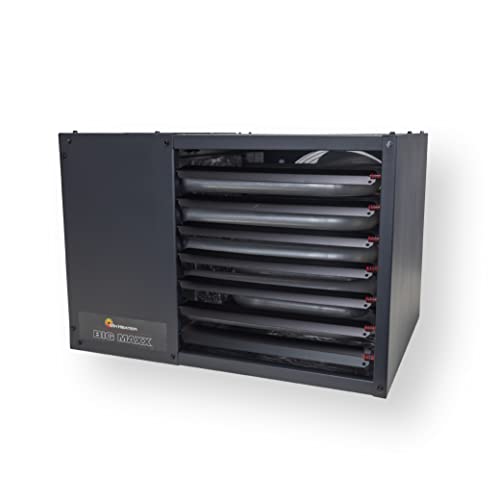
The Mr. Heater Big Maxx MHU80NG is a natural gas unit heater aimed at garages, workshops, and commercial spaces. It delivers 80,000 BTU with manufacturer-stated coverage up to 2,000 sq. ft.
Included items noted by the listing are two angle brackets and a propane conversion kit (though advertised for natural gas use), with 120 V electrical requirement for the fan and controls. Dimensions and clearance needs are specified; the product is intended for vertical category 1 or horizontal category 3 venting configurations per installation instructions.
Call 888-896-7031 for Free Local HVAC Quotes – Compare and Save Today!
Considerations: This is a direct-fired unit that relies on ventilation and clearance to combust safely. It is most appropriate for spaces where robust convective heating and ceiling-mounted or wall-mounted installation are practical.
Dyna-Glo IR30NMDG-1 Infrared Wall Heater

The Dyna-Glo IR30NMDG-1 is a 30,000 BTU infrared wall-mounted natural gas heater. Infrared technology heats objects and people directly rather than primarily warming air, which may feel more immediate in drafty or high-ceiling spaces.
Manufacturer notes: the unit is gas-specific and does not permit fuel conversion. It is rated to heat up to 1,000 sq. ft. depending on insulation and ambient conditions. Infrared emission can be beneficial in workshops, garages, and open work areas.
Considerations: Infrared heaters perform differently than blue-flame or forced-air heaters. They can be efficient for spot heating but may provide uneven distribution in large rooms without reflective surfaces or multiple units.
ProCom MN300TPA-B Ventless Natural Gas Infrared Heater

The ProCom MN300TPA-B is a ventless infrared space heater rated at 30,000 BTU for up to 1,400 sq. ft. It includes thermostat control and multiple mounting options: wall mount or base feet for floor placement.
Listed features highlight thermostat-based high/medium/low settings, a slim modern profile, and suitability for offices or residential rooms. As a ventless appliance, it does not require a flue but relies on indoor combustion air and includes required safety components such as oxygen depletion sensing on some models.
Considerations: Ventless heaters affect indoor air composition by releasing combustion products into the room. They must be used in well-ventilated spaces and in accordance with local codes and manufacturer warnings.
Buying Guide: How To Choose The Right Inline Gas Heater
Selecting the correct inline gas heater depends on intended function, installation constraints, and safety requirements. Below are key considerations and comparison perspectives to guide your decision.
1. Define The Application
- Tankless Water Heater: Choose when you need continuous hot water for showers, laundry, and dishwashing. Look at BTU and GPM ratings and ensure gas supply and venting match the unit’s requirements.
- Space Heater / Unit Heater: Choose for heating garages, workshops, or large open areas. Consider forced-air unit heaters for distribution or infrared/blue-flame models for radiant or convective warming.
- Ventless vs Ventilated: Ventless heaters simplify installation but affect indoor air quality and require adequate ventilation. Vented units or tankless water heaters typically require flues or direct venting to the outside.
2. Heating Capacity And Sizing
- BTU Rating: Match BTU output to space volume and insulation. Higher BTU suits larger or poorly insulated areas; oversizing can cause dry air and cycling issues.
- GPM For Tankless: For on-demand water heaters, compare GPM at expected inlet temperatures. Colder regions reduce delivered hot water flow at a given BTU.
- Coverage Area: Manufacturer square-foot estimates are guidelines; evaluate room layout, ceiling height, and heat loss factors.
3. Fuel And Supply Requirements
- Natural Gas Versus Propane: Verify fuel compatibility and conversion options. Some products are fuel-specific and cannot be converted.
- Gas Line Sizing: High-BTU units may require larger gas lines or dedicated supply circuits. Confirm with a professional and local code requirements.
4. Venting And Installation
- Direct Vent Or Power Vent: Tankless water heaters and some wall/ceiling units require specific vent configurations. Check clearances and termination locations.
- Electrical Needs: Some gas heaters require electrical power for fans, controls, or ignition; ensure outlet availability and circuit capacity.
- Professional Installation: Gas appliances typically require licensed installation to meet safety codes, permits, and insurance standards.
5. Efficiency And Operating Costs
- UEF/EF Ratings For Water Heaters: Higher efficiency equates to lower fuel consumption for the same output. Tankless models often claim higher UEF values.
- Standby Losses: Tankless units reduce standby losses compared to tanks. For space heaters, consider radiant vs convective efficiency depending on use pattern.
6. Safety Features And Indoor Air Quality
- Oxygen Depletion Sensors (ODS): Important for ventless space heaters to automatically shut off if oxygen levels drop.
- Flame Failure And Overheat Protection: Critical for preventing unsafe combustion or overheating conditions.
- Combustion Byproducts: Ventless heaters release combustion products into the room; ensure CO detectors, proper ventilation, and adherence to manufacturer warnings.
7. Controls And User Experience
- Thermostat Control: Integrated thermostats provide automatic temperature regulation and can improve comfort and fuel economy.
- Ignition Type: Piezo, electronic, or continuous pilot each have service and reliability considerations. Electronic ignition reduces pilot gas use.
- Maintenance Needs: Consider access for cleaning, annual inspection of burners and vents, and replacement parts availability.
8. Regulatory And Code Compliance
- Local Codes: Venting, clearance, and fuel piping must comply with local building and gas codes; consult inspectors and licensed contractors.
- Certifications: Look for CSA, ANSI, or other recognized certifications indicating third-party testing and compliance.
9. Comparison Perspectives
- Performance vs Installation Complexity: High-capacity tankless units deliver strong flow but may require extensive gas/vent upgrades. Ventless space heaters simplify installation but introduce indoor air considerations.
- Upfront Cost vs Long-Term Efficiency: More efficient units can recoup cost via lower fuel use, but installation and maintenance should factor into lifecycle cost analysis.
- Spot Heating vs Whole-Room Heating: Infrared heaters are effective for spot heating; forced-air or blue-flame units provide more uniform room heating.
Using these criteria, compare the product specifications, verify installation needs, and consult licensed professionals for gas and venting work. Always follow manufacturer instructions and local regulations when installing gas-powered equipment.
Tips for Getting the Best HVAC Prices
- Prioritize Quality Over Cost
The most critical factor in any HVAC project is the quality of the installation. Don’t compromise on contractor expertise just to save money. - Check for Rebates
Always research current rebates and incentives — they can significantly reduce your overall cost. - Compare Multiple Quotes
Request at least three estimates before making your choice. You can click here to get three free quotes from local professionals. These quotes include available rebates and tax credits and automatically exclude unqualified contractors. - Negotiate Smartly
Once you've chosen a contractor, use the proven strategies from our guide — How Homeowners Can Negotiate with HVAC Dealers — to get the best possible final price.