
Choosing a low-wattage space heater for an RV requires balancing power, safety features, and energy draw from limited electrical circuits. The table below summarizes five selected low-wattage heaters suited to RVs, campers, and small cabins based on wattage profile, mounting/placement options, and built-in safety features.
| Product | Wattage/Mode | Installation/Placement | Notable Safety/Features |
|---|---|---|---|
| Caframo True North Heater | Multiple settings (low profile, fan-based) | Portable, low-profile | Adjustable thermostat, anti-freeze mode |
| Performance Tool W5011 250W | 250 Watts (single) | Portable/personal | Simple low-watt operation |
| ENVI Plug-In Electric Panel Wall Heater | Low-wattage continuous design | Wall-mounted | Fan-less, wall-sense safety sensor |
| Xtreme Heaters Boat, Cabin, & RV Heater | Low to moderate output for small spaces | Portable, can be placed against walls | Tip-over switch, low profile |
| Amazon Basics 500W Ceramic Space Heater | 500 Watts | Portable, desktop or small floor use | Tip-over protection, ceramic coils |
Caframo True North Heater — Low Profile Quiet Heater

The Caframo True North is a compact, steel-housed electric heater designed for continuous room comfort. It offers five settings including low fan-assisted heat up to a higher circulating output. An adjustable thermostat helps maintain set temperatures and reduces runtime when the space reaches comfort.
This model includes an anti-freeze setting that automatically engages at around 38°F to prevent temperatures from dropping below freezing during storage or periods of vacancy. The low-profile steel housing makes it simple to position under cabinets or in tight RV locations. For RV use consider ventilation and available circuit capacity when using fan-based heaters.
Performance Tool W5011 250W Personal Space Heater

The Performance Tool W5011 is a 250-watt personal heater aimed at small, immediate zones like under a desk or beside a bed in an RV. Its low wattage profile makes it suitable for shore power, smaller inverters, or when conserving generator fuel.
Call 888-896-7031 for Free Local HVAC Quotes – Compare and Save Today!
Design and feature set are straightforward: compact size and low power draw. For RV buyers, the main advantages are minimal electrical demand and portability. Check hardwired or outlet limitations before continuous use on sensitive RV electrical systems.
ENVI Plug-In Electric Panel Wall Heaters For Indoor Use
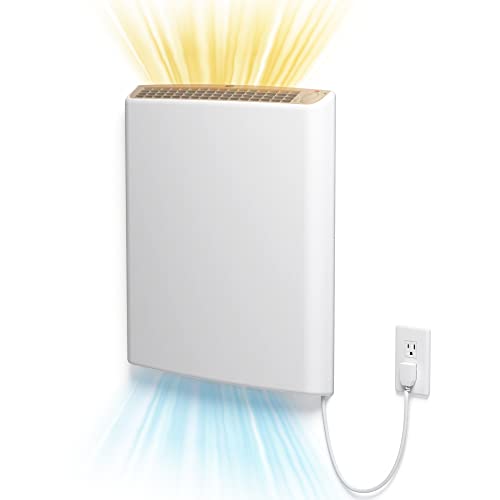
The ENVI panel wall heater uses fan-less convection to deliver steady, gentle heat at a low operating temperature (~90°F surface). Its low-wattage, continuous operation approach suits small rooms where constant background warmth is preferred over bursts of high wattage.
Key safety elements include a wall-sense safety sensor that cuts power if removed and a design that reduces dust circulation. For RVs, wall-mounted panel heaters free up floor space and avoid drafts from fans, but ensure secure mounting and verify that RV wall materials and wiring are compatible with a permanent or semi-permanent panel.
Xtreme Heaters Boat, Cabin, & RV Heater

The Xtreme Heaters unit is marketed specifically for boats, cabins, and RVs. It emphasizes placement flexibility—its design pulls air from the top so it can be placed close to walls or on carpet without blocking intake.
Call 888-896-7031 for Free Local HVAC Quotes – Compare and Save Today!
Built-in safety includes a tip-over switch and a stable base. Quiet operation and a low profile are beneficial for compact living areas. For RV owners, the specialized design aims to prevent accidental blocking of vents and to run safely in moving or shifting environments when secured properly.
Amazon Basics Ceramic Space Heater, Mini 500W

The Amazon Basics 500W Ceramic heater is a compact, portable option with ceramic heating elements designed to warm quickly. At 500 watts it provides more output than ultra-low 250W units while still staying within modest power budgets.
It includes tip-over protection and a lightweight design for easy placement. This model is suitable for short-term boost heating in small RV areas when monitoring power draw and ensuring proper outlet and extension cord ratings.
Buying Guide — Choosing A Low Wattage Heater For Your RV
When selecting a heater for an RV, focus on these core considerations to match your needs and electrical constraints.
Wattage Versus Heat Needs
Wattage Determines Heat Output. Very low-watt models (200–500W) are ideal for targeted warmth—seating areas, bunks, or desks. Higher outputs (500–1500W) heat larger spaces faster but may exceed RV circuit limits or inverter capacity.
Power Source And Electrical Limits
Verify Your Power Source. Identify whether you’ll run the heater on shore power, generator, or inverter. Shore power typically allows higher wattages; many inverters and small generators limit continuous loads. Check your RV breaker ratings and extension cord amp ratings before use.
Mounting And Placement Options
Portable Vs Wall-Mounted. Portable heaters offer flexibility but need secure placement to prevent tipping. Wall-mounted panels free floor space and can run continuously with low wattage but require safe mounting and wiring consideration.
Safety Features
- Tip-Over Switches: Essential for portable units in moving or crowded spaces.
- Overheat Protection: Cuts power if internal temperatures exceed safe limits.
- Low Surface Temp / Fan-less Design: Reduces burn risk and dust circulation, useful for allergies and enclosed spaces.
Efficiency And Heat Type
Ceramic/PTC vs Infrared vs Convection. Ceramic/PTC elements heat quickly and are common in small portable units. Infrared heaters warm objects directly and feel efficient in draft-free compartments. Convection panels provide gentle, continuous warmth with lower surface temps.
Noise And Comfort
Fan Operation Increases Noise. If you sleep or work nearby, fan-less or low-speed fan heaters are quieter. For constant background warmth, convection panels are usually silent.
Space And Draft Management
Insulation Matters. A well-insulated RV requires less heater runtime. Use curtains, draft seals, and insulated vent covers to maintain heat and reduce energy consumption.
Installation And Portability
Consider How Often You Move The Heater. Wall panels are semi-permanent; portable heaters should be compact and have stable bases. When mounting, ensure secure installation to withstand travel vibrations.
Multiple Comparison Perspectives
- Energy Budget Perspective: Choose 200–500W if conserving inverter or generator capacity is primary.
- Comfort Perspective: Select higher-watt portable or hybrid units for faster warm-up in poorly insulated rigs.
- Safety Perspective: Prioritize tip-over and overheat protection in rigs with pets, children, or frequent motion.
- Space Optimization Perspective: Use wall-mounted, low-profile panels when floor space is limited and continuous low-level heat is desired.
Before finalizing any purchase, compare the heater’s draw to your RV’s circuit/inverter ratings, check manufacturer installation recommendations for mobile environments, and confirm required safety certifications for indoor use.
Tips for Getting the Best HVAC Prices
- Prioritize Quality Over Cost
The most critical factor in any HVAC project is the quality of the installation. Don’t compromise on contractor expertise just to save money. - Check for Rebates
Always research current rebates and incentives — they can significantly reduce your overall cost. - Compare Multiple Quotes
Request at least three estimates before making your choice. You can click here to get three free quotes from local professionals. These quotes include available rebates and tax credits and automatically exclude unqualified contractors. - Negotiate Smartly
Once you've chosen a contractor, use the proven strategies from our guide — How Homeowners Can Negotiate with HVAC Dealers — to get the best possible final price.