
Mini heat pump heaters provide year-round climate control for rooms, garages, and small commercial spaces. This guide reviews top mini split systems and an essential mounting accessory to help you compare performance, efficiency, and installation features. The selection focuses on inverter-driven units, Wi‑Fi compatibility, and coverage ranges suitable for common American spaces.
| Product | BTU / Capacity | Coverage | Key Feature |
|---|---|---|---|
| YITAHOME 12000 BTU Mini Split (B0DP687SCD) | 12000 BTU | Up To 750 Sq. Ft. | Wi‑Fi & Alexa, 20 SEER2, 115V |
| Senville LETO Series 24000 BTU | 24000 BTU (2 Ton) | Large Rooms / Small Homes | Inverter, Works With Alexa, 208/230V |
| COSTWAY 12000 BTU (Airtural Series) | 12000 BTU | Up To 750 Sq. Ft. | 22 SEER2, R32 Refrigerant, App Control |
| Goodman 18000 BTU Bundled Mini Split | 18,000 BTU | Up To 1000 Sq. Ft. | Bundled Kit, 230V, Trusted Brand |
| DuctlessAire Outdoor Wall Bracket | Accessory For 9k–36k BTU | Supports Outdoor Units | Powder-Coated Steel, Vibration Control |
YITAHOME 12000 BTU Mini Split Air Conditioner Heat Pump System

This 12000 BTU ductless system uses an inverter compressor and integrated heat pump for both cooling and heating. The unit is rated at 20 SEER2 and designed to cover up to 750 square feet, making it suitable for medium rooms, garages, or basements.
- Energy Efficiency: Inverter technology and ETL/AHRI certification for verified performance and improved energy use.
- Smart Control: Wi‑Fi and Alexa compatibility allow remote temperature control and scheduling via app or voice.
- Operational Modes: Auto/Cool/Dry/Heat/Fan, plus iFEEL mode, sleep and 24‑hour timer for flexible comfort management.
- Noise & Comfort: Claims noise levels below 41 dB and includes features like automatic defrost and self‑cleaning.
The product listing emphasizes a complete installation kit and features aimed at quiet, energy‑efficient operation for typical residential spaces.
Senville LETO Series Mini Split Air Conditioner Heat Pump
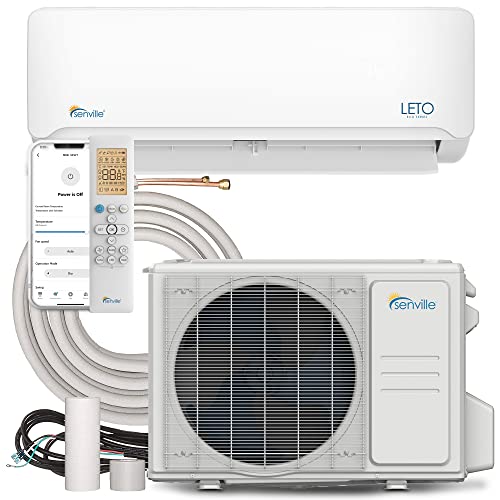
The Senville LETO Series is a higher‑capacity inverter mini split rated at 24000 BTU and intended for larger rooms or small homes. It supports 208/230V electrical setups and advertises multi‑function performance for year‑round use.
Call 888-896-7031 for Free Local HVAC Quotes – Compare and Save Today!
- All‑Season Use: Cooling, heating (functional down to 5°F / -15°C), dehumidifying, and turbo fan modes.
- Smart Integration: Works with Alexa and app control to set routines and remote adjustments.
- Certifications: Includes UL listing and AHRI certification; features a DC inverter for improved efficiency.
- Application Versatility: Marketed for bedrooms, living areas, stores, and light commercial spaces.
As a 2‑ton option, the Senville LETO is positioned for spaces requiring higher capacity and consistent heating performance in colder conditions.
COSTWAY 12000 BTU Mini Split Air Conditioner With Heat Pump

The COSTWAY Airtural Series 12000 BTU unit combines 22 SEER2 efficiency with R32 refrigerant and inverter operation. It’s designed for areas up to 750 square feet and emphasizes low global warming potential refrigerant selection.
- Energy & Environmental: Uses R32 refrigerant (GWP noted) and inverter tech for efficient seasonal performance.
- Control Options: Smartphone app control, Alexa/Google Assistant compatibility, plus a physical remote.
- Air Distribution: 4D auto swing for wide, even airflow and multiple fan speeds including turbo.
- Comfort Modes: ECO, sleep, dry, and timed operation for adaptable comfort profiles.
The unit targets buyers who prioritize higher SEER2 ratings and app-based control combined with quieter operation for residential use.
Goodman 18,000 BTU Bundled Ductless Mini Split Inverter Heat Pump

Goodman’s bundled 18,000 BTU inverter mini split is offered with installation accessories including a Maxwell 15‑ft kit and wall bracket. The system is aimed at covering up to 1,000 square feet, bridging the gap between single‑room and multi‑room applications.
Call 888-896-7031 for Free Local HVAC Quotes – Compare and Save Today!
- Brand & Warranty: Goodman brand presence with a 5‑year manufacturer warranty highlighted in the listing.
- Performance: Rated at 8.5 HSPF and 10.5 EER, with a broad operating capacity range cited for varied conditions.
- Filtration & Maintenance: Includes titanium apatite deodorizing and catechin air filters, removable drain pan, and self‑diagnosis features.
- Installation Kit: Bundled kit and wall mounting hardware intended to simplify outdoor unit setup.
This option is relevant for buyers seeking a mid‑capacity unit from a recognized HVAC manufacturer with bundled installation components.
DuctlessAire Outdoor Wall Bracket For Mini Split Units

The DuctlessAire bracket is an outdoor mounting accessory compatible with mini split condensers from 9,000 to 36,000 BTU. It supports units up to 300 lbs and is designed for durable outdoor installation.
- Material & Finish: Powder‑coated hardened steel offers weather resistance and corrosion protection.
- Vibration Control: Includes vibration feet and shock absorbers to reduce noise and movement during operation.
- Adjustability: The bracket is adjustable to fit a range of unit sizes and to achieve proper clearance from the wall.
- Outdoor Reliability: Designed for long‑term support of outdoor condensers in exposed conditions.
This accessory is relevant for anyone planning wall‑mounted outdoor installation where concrete pad placement is not feasible or where elevation from ground level is desired.
Buying Guide: How To Choose A Mini Heat Pump Heater
Choosing a mini heat pump heater requires balancing capacity, efficiency, installation, and control features. The items below cover essential purchase considerations from multiple comparison perspectives.
1. Proper Sizing And BTU Capacity
Select a unit sized for the square footage and thermal characteristics of the space. As a rough guide:
- Up to 500 sq. ft.: 9,000–12,000 BTU units
- 500–900 sq. ft.: 12,000–18,000 BTU units
- 900–1,200 sq. ft.: 18,000–24,000 BTU units
Always consider ceiling height, insulation, window area, and local climate when refining the BTU requirement. Oversizing leads to short cycling; undersizing results in poor comfort and higher runtime.
2. Efficiency Ratings (SEER2, HSPF)
SEER2 indicates cooling efficiency and HSPF measures heating performance. Higher ratings mean lower ongoing energy use. Look for AHRI certification or ENERGY STAR labeling where applicable to validate manufacturer claims.
3. Inverter Technology And Variable Speed
Inverter compressors modulate output to match load, improving comfort, reducing energy spikes, and lowering noise. Variable speed fans and inverter drives are preferable for consistent temperature and higher part‑load efficiency.
4. Refrigerant Type And Environmental Impact
R32 refrigerant is increasingly common for its lower GWP compared to older refrigerants. Confirm refrigerant listed in the product specifications if environmental impact matters.
5. Electrical Requirements And Voltage
Mini splits vary between 115/120V single‑phase and 208/230V models. Verify household supply and plan for the necessary breaker, wiring, and potential professional electric installation.
6. Installation Considerations
Installation involves mounting the indoor head, routing a refrigerant line set and drain, and placing the outdoor condenser. Decide between:
- DIY Installation: Some bundled kits include precharged lines and mounting hardware but may still require refrigerant handling tools and electrical knowledge.
- Professional Installation: HVAC pros ensure proper refrigerant charge, leak checks, and electrical compliance—recommended for warranty and safety.
7. Outdoor Unit Mounting Options
Options include ground pads, concrete platforms, or wall brackets like the DuctlessAire unit. Choose a mounting method that provides clearance for airflow, minimizes vibration transfer, and prevents debris accumulation.
8. Smart Controls And Connectivity
Wi‑Fi and voice assistant compatibility (Alexa/Google) add convenience for schedules and remote control. Check whether app features include scheduling, energy reports, or maintenance alerts.
9. Noise Levels
Noise ratings for indoor and outdoor units are relevant for bedrooms and shared spaces. Look for published dB figures and features like vibration feet and insulated compressors to reduce sound transmission.
10. Filtration And Indoor Air Quality
Consider filter types and additional cleaning modes. HEPA‑like or antimicrobial filters, ionization, and self‑cleaning functions can influence indoor air quality, especially in high‑allergy environments.
11. Warranty And Brand Support
Warranty length and the ease of accessing support and replacement parts vary by manufacturer. Branded systems from established HVAC manufacturers may offer more robust service networks.
12. Multi‑Zone Versus Single‑Zone
Single‑zone mini splits serve one indoor head. Multi‑zone systems use a single outdoor unit with multiple indoor heads for independent control across rooms. Evaluate future expansion plans before selecting single vs. multi‑zone.
13. Comparative Perspectives
When comparing options:
- Performance Comparison: Compare SEER2/HSPF and BTU output relative to your space.
- Installation Ease: Assess whether included installation kits reduce labor and the need for professional tools.
- Long‑Term Cost: Factor expected energy consumption from efficiency ratings and local utility rates rather than list price.
- Use Case Fit: Choose higher capacity models for colder climates or larger open spaces; select higher SEER2 for energy‑sensitive households.
14. Safety, Codes, And Permits
Local codes may require permits or licensed installer involvement for refrigerant line work and electrical connections. Confirm regional requirements before purchase and installation.
15. Maintenance Requirements
Plan for periodic filter cleaning, outdoor coil clearing, and professional checks for refrigerant and electrical systems. Self‑diagnosis features and removable drain pans simplify routine maintenance.
Use the above criteria to prioritize which features matter most for your application—capacity, efficiency, smart controls, or installation simplicity—then match those priorities to the product specifications and certifications provided in listings.
Tips for Getting the Best HVAC Prices
- Prioritize Quality Over Cost
The most critical factor in any HVAC project is the quality of the installation. Don’t compromise on contractor expertise just to save money. - Check for Rebates
Always research current rebates and incentives — they can significantly reduce your overall cost. - Compare Multiple Quotes
Request at least three estimates before making your choice. You can click here to get three free quotes from local professionals. These quotes include available rebates and tax credits and automatically exclude unqualified contractors. - Negotiate Smartly
Once you've chosen a contractor, use the proven strategies from our guide — How Homeowners Can Negotiate with HVAC Dealers — to get the best possible final price.