
Choosing the right indoor natural gas space heater involves balancing room size, venting type, safety features, and heat delivery method. The table below summarizes five relevant vent-free and infrared natural gas heaters selected for residential indoor use.
| Product | Type | Max BTU | Coverage | Key Feature |
|---|---|---|---|---|
| ProCom MN300TBA-B | Ventless Blue Flame | 30,000 | Up to 1,400 sq. ft. | Thermostat Control, Wall/Base Mount |
| Mr. Heater MHVFBF20NGT | Ventless Blue Flame | 20,000 | Up to 700 sq. ft. | Convection Heat, Thermostat |
| Dyna-Glo IR30NMDG-1 | Infrared | 30,000 | Up to 1,000 sq. ft. | Radiant Heat To Objects |
| ProCom MN300TPA-B | Ventless Infrared | 30,000 | Up to 1,400 sq. ft. | Thermostat Control, Slim Profile |
| Mr. Heater MHVFBF30NGT | Ventless Blue Flame | 30,000 | Up to 1,000 sq. ft. | High Output, Thermostat |
Content Navigation
- ProCom MN300TBA-B Ventless Natural Gas Blue Flame Space Heater
- Mr. Heater MHVFBF20NGT 20,000 BTU Vent Free Blue Flame Natural Gas Heater
- Dyna-Glo IR30NMDG-1 30,000 BTU Natural Gas Infrared Wall Heater
- ProCom MN300TPA-B Ventless Natural Gas Infrared Space Heater
- Mr. Heater MHVFBF30NGT 30,000 BTU Vent Free Blue Flame Natural Gas Heater
- Buying Guide: How To Choose An Indoor Natural Gas Space Heater
ProCom MN300TBA-B Ventless Natural Gas Blue Flame Space Heater

This ventless blue flame model produces up to 30,000 BTU using natural gas and is specified to heat areas up to 1,400 sq. ft. The unit includes a built-in thermostat control with High/Medium/Low settings for temperature management. Installation options include wall mounting with included hardware or free-standing use with base feet.
Design highlights stress a slim modern profile intended to minimize footprint while offering greater heat flow. As a ventless appliance, it relies on indoor combustion and requires that users follow local codes and room ventilation recommendations. The product listing references suitability for bedrooms, living rooms, and offices.
Mr. Heater MHVFBF20NGT 20,000 BTU Vent Free Blue Flame Natural Gas Heater
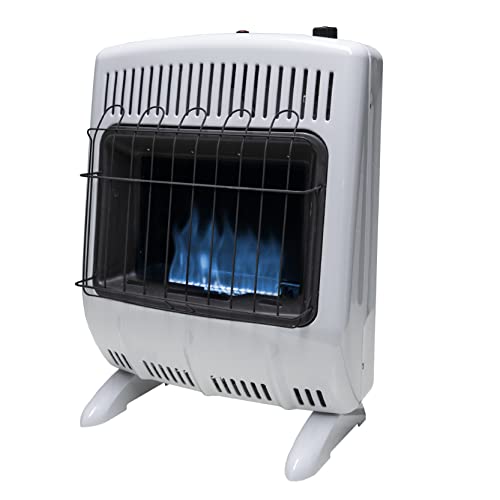
This vent-free convection heater is rated at 20,000 BTU and is recommended for spaces up to about 700 sq. ft. Its convection design circulates warmed air, providing more even room temperature compared with direct radiant units. The listing notes effectiveness up to 4,500 feet altitude.
Call 888-896-7031 for Free Local HVAC Quotes – Compare and Save Today!
The unit contains an integrated thermostat and comes with a battery for electric ignition to support reliable starts. Efficiency is promoted via a blue flame burner and a low gas consumption figure provided in the product details. As a vent-free model, the heater includes standard safety considerations for indoor combustion appliances.
Dyna-Glo IR30NMDG-1 30,000 BTU Natural Gas Infrared Wall Heater

This model uses infrared technology to radiate heat directly to objects and occupants rather than heating the air first. Rated at 30,000 BTU, it is specified to warm areas up to 1,000 sq. ft. Infrared delivery can feel like “sun-like” warmth and is often preferred when fast, targeted heat is desired.
The product is listed as natural gas ready and emphasizes fuel conversion restrictions. Infrared units typically provide efficient spot heating and can be effective in spaces with some air exchange because they prioritize warming matter over air volume.
ProCom MN300TPA-B Ventless Natural Gas Infrared Space Heater

This ProCom infrared variant delivers up to 30,000 BTU and lists coverage up to 1,400 sq. ft. It includes a thermostat with High/Medium/Low settings and the same dual mounting options (wall mount or base feet). The unit is positioned for residential rooms, offices, and living spaces where a slim profile is beneficial.
Call 888-896-7031 for Free Local HVAC Quotes – Compare and Save Today!
Infrared heating targets objects and people first, which can make rooms feel comfortable more quickly without warming all the circulating air. As a ventless infrared model, installers and users must comply with indoor combustion safety guidance and local building codes.
Mr. Heater MHVFBF30NGT 30,000 BTU Vent Free Blue Flame Natural Gas Heater
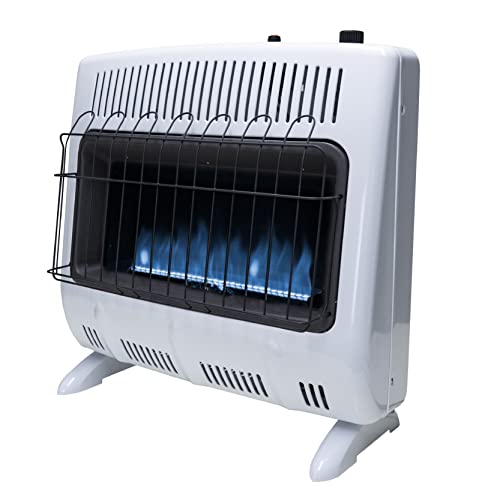
This 30,000 BTU vent-free blue flame wall heater is rated to warm spaces up to 1,000 sq. ft. It offers a built-in thermostat for temperature control and includes a battery for electric ignition. The design emphasizes steady convection heat delivery and fuel efficiency for natural gas operation.
Mr. Heater provides a consumption metric in the product materials and highlights steady, even warming suited to cold rooms, additions, sunrooms, and similar residential spaces. As with other ventless options, adherence to installation and ventilation guidance is advised.
Buying Guide: How To Choose An Indoor Natural Gas Space Heater
Selecting the right indoor natural gas heater requires assessing room needs, venting preferences, and safety features. Below are key factors to compare and evaluate.
Tips for Getting the Best HVAC Prices
- Prioritize Quality Over Cost
The most critical factor in any HVAC project is the quality of the installation. Don’t compromise on contractor expertise just to save money. - Check for Rebates
Always research current rebates and incentives — they can significantly reduce your overall cost. - Compare Multiple Quotes
Request at least three estimates before making your choice. You can click here to get three free quotes from local professionals. These quotes include available rebates and tax credits and automatically exclude unqualified contractors. - Negotiate Smartly
Once you've chosen a contractor, use the proven strategies from our guide — How Homeowners Can Negotiate with HVAC Dealers — to get the best possible final price.
Heat Output And Room Size
- BTU Rating: Choose a BTU output that matches your space. Smaller rooms often require 10,000–20,000 BTU, while large open areas may need 30,000 BTU or more.
- Coverage Estimates: Manufacturer coverage numbers are general guidelines; insulation, ceiling height, and climate affect real-world performance.
Vented vs. Ventless (Direct Vent, Vent-Free, Radiant)
- Ventless / Vent-Free: These models (blue flame or ventless infrared) do not require an external flue. They can be efficient and easier to install but rely on indoor combustion — monitor room ventilation and follow local codes.
- Infrared / Radiant: Infrared heats objects and people directly. Best for spot heating or spaces with drafts because they warm occupants faster without heating all the air.
- Convection: Blue flame convection units warm the air and can provide even whole-room temperature when circulation is adequate.
Controls And Convenience
- Thermostat Control: Built-in thermostats improve comfort and efficiency by cycling heat to maintain set temperatures.
- Ignition Type: Piezo/manual ignition vs. battery-assisted electric ignition — consider reliability and backup power needs.
- Mounting Options: Wall-mount vs. floor/base feet — select based on available space and installation preferences.
Safety Features And Codes
- Oxygen Depletion Sensor (ODS): Many ventless models include ODS to automatically shut off gas if oxygen levels drop; this is a key safety feature.
- Local Building Codes: Some jurisdictions restrict ventless gas appliances in sleeping areas or certain home types — verify local regulations before purchase.
- Clearances And Ventilation: Follow manufacturer clearance specs and ensure adequate fresh air supply when using vent-free units.
Energy Use And Efficiency
- Fuel Consumption Metrics: Compare manufacturer gas consumption rates and BTU output to estimate operating costs without referencing specific prices.
- Effective Heating: Infrared can feel more efficient for targeted heating, while convection models are often better for even whole-room warmth.
Installation And Maintenance
- Professional Installation: For many natural gas heaters, certified installers ensure correct gas connections, compliance, and safe operation.
- Maintenance: Periodic inspection of burners, igniters, and sensors maintains efficiency and safety. Follow manufacturer maintenance schedules.
Comparison Perspectives
- Performance: 30,000 BTU units cover larger rooms faster; 20,000 BTU units use less gas and suit smaller spaces.
- Comfort Style: Choose infrared if you prioritize direct, rapid warmth to people and objects; choose convection blue flame for steady, air-warmed comfort.
- Installation Trade-Offs: Ventless models are easier to place but require attention to ventilation and ODS; vented/direct-vent units add installation complexity but remove combustion products outdoors.
Final Selection Checklist
- Measure the room and match to BTU coverage.
- Decide between ventless vs. vented based on local codes and ventilation.
- Confirm required safety features (ODS, certified components).
- Plan for professional installation if gas line work or venting is required.
- Compare thermostat and ignition options for convenience and reliability.