
Overview: This guide compares top pellet heater insert and pellet stove options suited for indoor and outdoor use. Each listed product includes key features and compatibility notes to help determine fit for living rooms, inserts, hearths, or outdoor patios.
| Product | Type | Primary Benefit |
|---|---|---|
| Comfortbilt HP22i Pellet Stove Fireplace Insert | Indoor Pellet Stove/Insert | High output/large hopper/programmable |
| Cleveland Iron Works Bayfront Pellet Stove | Indoor Pellet Stove/Insert | Smart home Wi‑Fi and tax credit eligibility |
| Rayzi 58 Inch Pellet Stove Patio Heater | Outdoor Pellet Heater/Fire Pit | Decorative spiral flame, portable for patios |
| CHARMELEON Wood Pellet Fire Pit | Outdoor Pellet Fire Pit | Portable stainless steel design for backyard |
| Adviace Flame Guide Replacement | Replacement Part For Pellet Stoves | Cast iron flame guide for compatibility and durability |
Comfortbilt HP22i Pellet Stove Insert

Brand: Comfortbilt
Key Features: Requires Ventilation; High Efficiency; 110 Volt; Programmable Heat Settings; Auto Ignition; EPA Approved; Heats Up To 2,800 Sq Ft; 47 lb Hopper Capacity.
The Comfortbilt HP22i is presented as a high‑output pellet stove insert designed for larger floor plans. The 47 lb hopper and programmable controls support extended runtime and convenient scheduling. Being EPA approved indicates certified emissions performance, while auto ignition and 110V operation simplify installation and daily use.
Practical considerations include the need for proper ventilation and adequate clearance for an insert installation. Evaluate home ducting or chimney retrofit needs and confirm installer qualifications for venting and electrical hookup.
Call 888-896-7031 for Free Local HVAC Quotes – Compare and Save Today!
Cleveland Iron Works Bayfront Pellet Stove
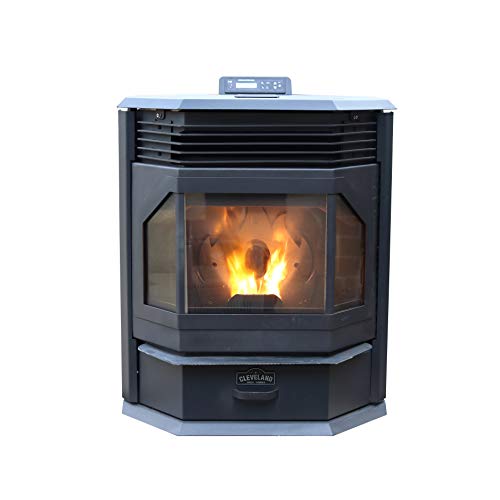
Brand: Cleveland Iron Works
Key Features: Qualifies For A 30% IRS Biomass Stove Tax Credit; Built‑In WiFi – Smart Home Technology; Heats 1,800 To 2,500 Sq Ft.
The Bayfront offers modern connectivity with built‑in Wi‑Fi to integrate with smart thermostats and remote control apps. Its heating range suits medium to large homes, and the manufacturer highlights eligibility for the biomass stove tax credit, which may affect total lifecycle cost and ROI considerations.
As an insert or freestanding option, note venting requirements and clearance specifications. Verify the model’s venting orientation and whether existing fireplaces or chimneys need modification for compatibility.
Rayzi 58 Inch Pellet Stove Patio Heater

Call 888-896-7031 for Free Local HVAC Quotes – Compare and Save Today!
Brand: Rayzi
Key Features: Enchanting Spiral Flame; Highly Durable Materials; 1000mm Glass Piping; Efficient Clean Burning Triple‑Burn Technology; 5.7 lb Hopper Capacity; Up To 2+ Hours Runtime.
The Rayzi 58 Inch unit is an outdoor pellet heater more akin to a decorative patio stove or pellet fire pit. Its spiral/tornado flame aesthetic and glass piping are designed for ambiance rather than primary home heating. The triple‑burn system emphasizes cleaner combustion and reduced smoke, useful for patios, decks, or camping.
Consider this model when evaluating outdoor heating needs and local open‑burning regulations. The smaller hopper capacity and runtime should be compared with indoor stove options if you expect prolonged heating periods.
CHARMELEON Wood Pellet Fire Pit For Outside

Brand: CHARMELEON
Key Features: Portable Stainless Steel Construction; Ignition Steps With Pellet And Fuel Cube; Decorative Dancing Flames; Corrosion Resistance; Backyard/Picnic Use.
This CHARMELEON product is a portable outdoor pellet fire pit focusing on design and ease of ignition. The stainless steel construction targets durability for outdoor environments. It’s optimized for ambiance and short‑term warmth rather than whole‑house heating.
When choosing an outdoor pellet heater, match intended use—casual patio warming and visual effect versus sustained heating. Check local codes for open flame devices and the recommended pellet type to minimize smoke and residue.
Adviace Flame Guide Replacement For Pellet Stoves

Brand: Adviace
Key Features: Compatibility With Harman Models (P68, XXV, P43, etc.); Durable Cast Iron Construction; Spreads Flame Evenly; Protects Stove Interior.
The Adviace Flame Guide is a replacement component intended for pellet stove models from a specific OEM family. A cast iron guide is useful for improved heat distribution and longevity over ceramic or thinner metal parts. Replacement parts can extend service life and maintain combustion efficiency.
Confirm model compatibility before purchase. For installers and owners, review the service manual for part numbers and replacement intervals. Properly fitting flame guides reduce hot spots and can affect emissions performance.
Buying Guide: How To Choose A Pellet Heater Insert
Choosing a pellet heater insert requires evaluating heat output, installation constraints, fuel logistics, emissions, and long‑term maintenance. Below are key factors to compare across models and use cases.
Heating Capacity And Home Size
Match BTU or Sq Ft Rating To Your Space: Manufacturers provide estimated heating coverage. For whole‑house or open plan layouts, select a higher capacity unit. Inserts like the Comfortbilt HP22i list large coverage, while outdoor units focus on localized warmth.
Ventilation And Installation Requirements
Venting Type: Some pellet inserts require a Class A chimney liner or direct venting; verify whether the unit needs vertical or horizontal exhaust. Proper ventilation affects safety and emissions performance.
Clearances And Hearth Modifications: Insert installation may need fireplace modifications, hearth protection, or additional framing. Confirm required clearances and local code compliance before purchase.
Fuel Supply, Hopper Size, And Runtime
Hopper Capacity: Larger hoppers reduce refill frequency. The Comfortbilt’s 47 lb hopper supports longer continuous operation, while patio units typically have smaller hoppers and shorter runtimes.
Pellet Type And Storage: Use recommended premium pellets for optimal combustion and low ash. Consider pellet storage space and moisture protection to avoid clogs and inefficient burning.
Efficiency, Emissions, And Certifications
EPA Approval And Efficiency Ratings: EPA‑certified models generally deliver lower particulate emissions. Efficiency ratings impact fuel consumption and operating cost. Look for documented test results or certifications.
Controls, Automation, And Connectivity
Programmable Thermostats And Wi‑Fi: Units with programmable settings and Wi‑Fi (like the Cleveland Bayfront) enable scheduling and remote adjustments. Evaluate whether smart features integrate with your home automation system.
Maintenance, Parts Availability, And Serviceability
Service Intervals: Regular ash removal, auger checks, and combustion chamber cleaning are standard. Choose models with accessible parts and clear service documentation.
Replacement Parts: Availability of flame guides, heat diffusers, augers, and gaskets affects long‑term maintenance. The Adviace flame guide example demonstrates the importance of compatible, durable replacements.
Indoor vs Outdoor Use Cases
Intended Location: Indoor pellet inserts and stoves are designed for continuous space heating and must meet venting and safety codes. Outdoor pellet heaters emphasize ambiance and often have lower coverage and smaller hoppers.
Local Regulations: Outdoor units may be subject to open burning rules, HOA regulations, or local ordinances restricting certain types of burners. Confirm compliance before purchase.
Durability And Materials
Construction Materials: Cast iron, heavy‑gauge steel, and quality ceramic liners extend service life. Outdoor units prioritize corrosion resistance—stainless steel and heat‑resistant coatings are beneficial.
Noise, Blowers, And Comfort
Blower Noise: Blowers and fans are necessary for pellet combustion and heat distribution. Assess noise level specifications and user feedback related to operational sound, especially for living areas.
Cost Of Ownership And Incentives
Operating Cost: Consider pellet prices and estimated fuel consumption. Efficiency and hopper size affect refill frequency and fuel spend.
Incentives: Check for available tax credits or rebates. Models with biomass stove tax credit eligibility can offer financial offsets that influence purchase decisions.
Safety Features
Auto Ignition And Safety Interlocks: Auto ignition simplifies startups; safety features like thermal switches, pressure switches, and overheat protection add operational safety. Verify the presence of these systems for indoor units.
Comparison Perspectives
- Performance Focus: Compare rated heating area, hopper size, and efficiency when the primary goal is home heating.
- Ambiance Focus: For patios or decorative fireplaces, prioritize flame aesthetics, portability, and smoke control.
- Serviceability Focus: For long‑term ownership, prioritize models with widely available parts and clear maintenance procedures.
- Environmental Focus: Choose EPA‑certified or low‑emission designs if indoor air quality and emissions compliance are priorities.
Use these criteria to compare pellet stoves and inserts by matching product specifications to your practical needs—space size, venting options, desired runtime, and maintenance capacity. Confirm installer requirements and local codes before finalizing a purchase.
Tips for Getting the Best HVAC Prices
- Prioritize Quality Over Cost
The most critical factor in any HVAC project is the quality of the installation. Don’t compromise on contractor expertise just to save money. - Check for Rebates
Always research current rebates and incentives — they can significantly reduce your overall cost. - Compare Multiple Quotes
Request at least three estimates before making your choice. You can click here to get three free quotes from local professionals. These quotes include available rebates and tax credits and automatically exclude unqualified contractors. - Negotiate Smartly
Once you've chosen a contractor, use the proven strategies from our guide — How Homeowners Can Negotiate with HVAC Dealers — to get the best possible final price.