
Finding the right pellet stove heater means balancing heat output, hopper capacity, venting needs, and efficiency. Below is a quick comparison of five top indoor pellet stoves selected for residential heating and inserts, followed by detailed reviews and a practical buying guide.
| Product | Brand | Coverage | Key Feature |
|---|---|---|---|
| Cleveland Iron Works Bayfront Pellet Stove | Cleveland Iron Works | Up To 2,500 Sq Ft | Built-In WiFi, 30% Biomass Tax Credit Eligible |
| Canyon Lodge Large Pellet Stove (130 lb Hopper) | Canyon Lodge | Up To 3,000 Sq Ft | Large Hopper, WiFi, Tax Credit Eligible |
| Comfortbilt HP22i Pellet Stove Fireplace Insert | Comfortbilt | Up To 2,800 Sq Ft | Insert Design, Programmable, EPA Approved |
| Comfortbilt Wood Pellet Stove HP22 | Comfortbilt | Up To 2,800 Sq Ft | 55 lb Hopper, Bay Design Viewing Area |
| Comfortbilt HP50S Small Wood Pellet Stove | Comfortbilt | Up To 2,200 Sq Ft | Compact Design, EPA & CSA Certified |
Content Navigation
- Cleveland Iron Works Bayfront Pellet Stove
- Canyon Lodge Large Pellet Stove
- Comfortbilt HP22i Pellet Stove Insert
- Comfortbilt Wood Pellet Stove HP22
- Comfortbilt HP50S Small Wood Pellet Stove
- Buying Guide: How To Choose A Pellet Stove Heater
- Heat Output And Home Size
- Hopper Capacity And Runtime
- Venting Requirements
- Certifications And Incentives
- Controls And Integration
- Insert Vs Freestanding
- Noise, Blowers, And Heat Distribution
- Maintenance And Cleaning
- Installation And Clearance
- Efficiency And Pellet Type
- Cost Of Ownership
- Comparison Perspectives
Cleveland Iron Works Bayfront Pellet Stove
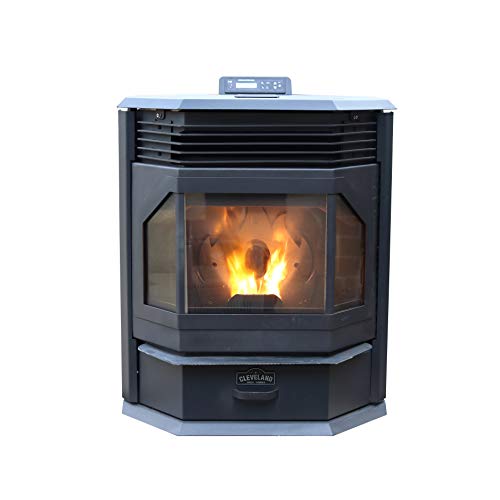
Coverage: Heats 1,800 to 2,500 sq ft. This freestanding pellet stove targets whole-room and multi-room heating for medium to large homes.
Key Features: Qualifies for a 30% IRS Biomass Stove Tax Credit, built-in WiFi for smart control, and an advertised heating range up to 2,500 sq ft. The WiFi integration enables remote monitoring and scheduling when paired with the manufacturer app or compatible smart home systems.
Performance Notes: Designed for consistent output across mid-range homes. Users should confirm venting and clearances required by the manual. Tax credit eligibility depends on meeting IRS specifications and maintaining required documentation.
Canyon Lodge Large Pellet Stove

Call 888-896-7031 for Free Local HVAC Quotes – Compare and Save Today!
Coverage: Rated to heat 2,000 to 3,000 sq ft. This model is positioned for larger floor plans and open-concept spaces.
Key Features: Large 130 lb hopper capacity reduces refilling frequency and supports longer burn cycles. Built-in WiFi and eligibility for the 30% IRS Biomass Stove Tax Credit are included in the feature set.
Performance Notes: The large hopper and extended runtime make it suitable for users wanting low maintenance between fills. Operators should verify the unit’s venting requirements and installation constraints for their home layout.
Comfortbilt HP22i Pellet Stove Insert

Coverage: Advertised to heat up to 2,800 sq ft. Designed as a fireplace insert for retrofitting existing fireplace openings.
Key Features: EPA approved, programmable heat settings, auto ignition, high efficiency, and a 47 lb hopper capacity. The insert form factor is meant to convert an existing masonry or zero-clearance fireplace into a pellet-burning appliance while improving energy transfer into living space.
Call 888-896-7031 for Free Local HVAC Quotes – Compare and Save Today!
Performance Notes: As an insert, it requires appropriate ventilation and possibly a liner to connect to a chimney or dedicated vent. Ideal for users wanting to update a fireplace to a pellet system while maintaining the aesthetic of a built-in unit.
Comfortbilt Wood Pellet Stove HP22
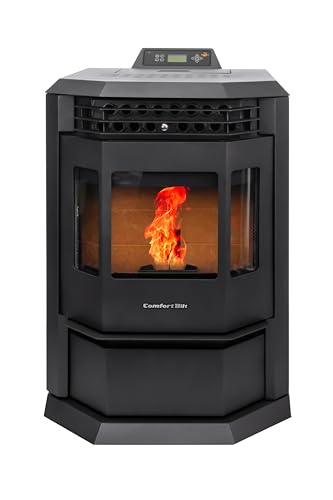
Coverage: Heats up to 2,800 sq ft. A freestanding bay-design pellet stove aimed at delivering visible flame viewing and room coverage.
Key Features: 55 lb hopper for extended burn time, large bay viewing glass, powerful blower, and a carbon black finish. Requires ventilation; the unit is not ventless and depends on a proper chimney or flue system.
Performance Notes: The large viewing area is useful for those prioritizing the flame aesthetic. Regular cleaning of ash and routine maintenance of the blower and exhaust pathways help maintain efficiency and emissions compliance.
Comfortbilt HP50S Small Wood Pellet Stove

Coverage: Rated to heat up to 2,200 sq ft. Marketed as a compact option with efficient heat exchanger design for smaller to medium homes.
Key Features: EPA and CSA certified to meet federal emissions mandates, requires ventilation, and features a robust room blower and heat exchanger designed to maximize heat output from pellets.
Performance Notes: Its compact footprint suits tighter spaces or installations where floor space is limited. Certification (EPA/CSA) supports compliance with emissions regulations and may affect eligibility for local incentives.
Buying Guide: How To Choose A Pellet Stove Heater
Choosing a pellet stove requires attention to coverage, hopper capacity, venting, certifications, controls, and installation constraints. Below are practical considerations and comparison perspectives to guide a purchase.
Heat Output And Home Size
Match the stove’s rated coverage to your heated square footage. Manufacturers provide ranges (e.g., 1,800–2,800 sq ft). For multi-level or open-concept homes, consider a model with higher output or plan ducting/zone strategies.
Hopper Capacity And Runtime
Hopper size directly affects refill frequency. Large hoppers (e.g., 55–130 lb) suit users wanting extended runtime between fills. Smaller hoppers reduce the stove’s footprint while requiring more frequent topping up.
Venting Requirements
Most indoor pellet stoves require a vent or chimney liner; few are ventless. Verify whether your installation will use a new class-A chimney, a liner within an existing chimney, or a direct exterior vent through a wall. Proper venting affects performance and safety.
Certifications And Incentives
EPA certification ensures emissions compliance; CSA and other certifications support safety and local code acceptance. Some models list eligibility for tax credits such as biomass stove credits—confirm current federal and state programs and documentation needs.
Controls And Integration
Controls range from simple thermostats to programmable timers and built-in WiFi for remote operation. Consider whether you need smartphone control, integration with smart-home systems, or just manual/remote operation.
Insert Vs Freestanding
Inserts convert existing fireplaces into pellet systems and often improve heating efficiency of a fireplace opening. Freestanding units offer more placement flexibility and sometimes larger hopper capacities. Choose based on whether you want to preserve or repurpose a fireplace opening.
Noise, Blowers, And Heat Distribution
Blowers can improve heat distribution but add operational noise. If quiet operation is important, compare blower specs and user feedback on noise levels. Some stoves feature variable-speed blowers or multiple fan settings.
Maintenance And Cleaning
Regular ash removal, combustion chamber cleaning, and periodic vent inspections are required. Larger hoppers and improved burn control can reduce cleaning frequency. Check the manufacturer’s maintenance schedule and ease of part replacement.
Installation And Clearance
Clearances to combustibles, floor protection, and professional installation requirements vary. Many manufacturers recommend certified installers to ensure warranty compliance and local code adherence. Verify required clearances and whether additional hearth pads or shields are needed.
Efficiency And Pellet Type
Efficiency ratings reflect how well the unit converts pellet energy to heat delivered to the space. Pellet quality (e.g., premium hardwood vs. mixed) affects burn consistency and ash production. Some stoves handle a wider range of pellet types without frequent maintenance.
Cost Of Ownership
Factor in pellet consumption, electricity for controls/blowers, maintenance, and potential chimney work. Large hoppers reduce refill labor but may increase initial stove size and installation complexity.
Comparison Perspectives
- High-Capacity/Low-Maintenance: Larger hopper models (e.g., Canyon Lodge Large) minimize refills and suit long-run heating needs.
- Insert For Fireplace Conversion: Inserts (e.g., Comfortbilt HP22i) provide an efficient way to modernize an existing fireplace and focus heat into living spaces.
- Certified/Compact Options: Models with EPA and CSA certifications (e.g., Comfortbilt HP50S) balance emissions compliance with compact installation footprints.
- Smart Controls & Incentives: Units with built-in WiFi (e.g., Cleveland Iron Works and Canyon Lodge options) provide remote control convenience and may integrate with home automation systems. Tax-credit eligible models may reduce net ownership cost if qualifications are met.
When evaluating models, compare the rated square footage, hopper capacity, certifications, venting needs, and available control features. Professional installation and adherence to local codes are essential for safe, efficient operation.
Tips for Getting the Best HVAC Prices
- Prioritize Quality Over Cost
The most critical factor in any HVAC project is the quality of the installation. Don’t compromise on contractor expertise just to save money. - Check for Rebates
Always research current rebates and incentives — they can significantly reduce your overall cost. - Compare Multiple Quotes
Request at least three estimates before making your choice. You can click here to get three free quotes from local professionals. These quotes include available rebates and tax credits and automatically exclude unqualified contractors. - Negotiate Smartly
Once you've chosen a contractor, use the proven strategies from our guide — How Homeowners Can Negotiate with HVAC Dealers — to get the best possible final price.