
Looking For A Portable Heater That Works Without Electricity? This Guide Compares A Propane Radiant Option And Several Portable Electric Alternatives You May Already Have On Your List. Below Is A Quick Comparison Table Of The Selected Units, Followed By Individual Product Summaries And A Buying Guide To Help You Choose The Right Heater For Your Needs.
| Product | Type | Key Feature | Ideal Use |
|---|---|---|---|
| Mr. Heater Portable Buddy Heater | Propane (No Electricity) | Radiant Infrared Heat, 4,000–9,000 BTU | Camping, Workshops, Garages |
| Gaiatop Mini Space Heater | Electric | 500W PTC Ceramic, Tip-Over Protection | Desks, Small Rooms |
| BLACK+DECKER Portable Space Heater | Electric | Dual 750W/1500W, Carry Handle | Dorms, Offices, Small Rooms |
| Mr. Heater Alternative: Dreo Space Heater | Electric | 1500W PTC, Thermostat & Remote | Bedrooms, Living Rooms |
| WINHL Small Portable Heater | Electric | PTC Ceramic, Oscillation | Even Heat Distribution |
Mr. Heater Portable Buddy
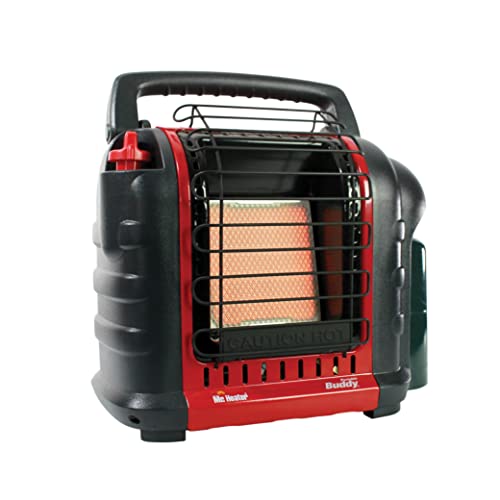
Type: Propane Radiant Heater (Operates Without Electricity)
This unit Uses Infrared Radiant Heat To Warm People And Objects Directly, Making It Effective In Drafty Or Less-Insulated Spaces. The Heater Offers Adjustable Output From 4,000 To 9,000 BTU, Suitable For Enclosed Areas Up To Approximately 225 Sq. Ft. Safety Features Include A Tip-Over Safety Switch And A Reliable Piezo Igniter That Starts The Unit Without Matches Or Batteries.
Because It Runs On Propane, It Provides Heat Without Electrical Power, Which Makes It A Primary Choice When Electricity Is Unavailable. Use Cases Include Camping (With Proper Ventilation), Workshops, Garages, And Outdoor Covered Areas. Follow Manufacturer Guidance For Indoor Use And Ventilation; Observe All Local Safety Codes And Propane Handling Instructions.
Gaiatop Mini Space Heater

Call 888-896-7031 for Free Local HVAC Quotes – Compare and Save Today!
Type: Electric PTC Ceramic Desk Heater
The Gaiatop Mini Is A Compact 500W PTC Ceramic Heater Intended For Personal Use At A Desk Or Small Room. It Emphasizes A Space-Saving Design And Rapid Warm-Up, Citing Heat Within Seconds. Safety Protections Include Overheat Protection And 45° Tip-Over Shutoff, And The Housing Uses V0 Class Fireproof Material.
Because It Requires Electricity To Operate, This Unit Is Not A Direct Replacement For Non-Electric Heating But Serves As A Low-Power Alternative When You Have Limited Electrical Capacity Or Need Focused, Energy-Efficient Warmth For A Single User Or Small Area.
BLACK+DECKER Portable Heater

Type: Electric Heater With Carry Handle
The BLACK+DECKER Unit Offers Multiple Heat Settings (Typically 750W And 1500W) And A Fan-Only Mode, Combined With A Lightweight Design And Carry Handle For Easy Room-To-Room Transport. An Adjustable Thermostat Allows More Consistent Temperature Control Compared To Basic Space Heaters.
Call 888-896-7031 for Free Local HVAC Quotes – Compare and Save Today!
This Model Requires Standard Electrical Power And Is Well Suited For Small Room Heating, Dorms, And Portable Indoor Use. While It Does Not Provide Off-Grid Heating, The Lower Wattage Option May Be More Compatible With Limited Power Sources Like Generators Or Inverter Systems When Needed.
Dreo Space Heater With Thermostat

Type: Electric 1500W PTC Heater With Remote
Dreo’s Model Highlights Advanced PTC Heating, Precise Thermostat Control, And Multiple Safety Protections. The Unit Claims Fast Heat Delivery And Extended Reach Via A Heat Funnel Design. Additional Features Include A Digital Display, Remote Control, And A Timer.
This Is A Typical High-Performance Electric Space Heater For Indoor Rooms Where Electricity Is Available, Offering Fine Temperature Adjustments (41–95°F Range) And Several Built-In Safety Sensors. Not Designed For Off-Grid Use Without A Power Source.
WINHL Small Portable Heater

Type: Electric PTC Heater With Oscillation
The WINHL Unit Uses PTC Ceramic Technology For Rapid Heat-Up And Adds Wide-Angle Automatic Oscillation To Improve Heat Distribution. It Also Includes Remote Operation And Timer Functions For Convenience. Safety Features Refer To Standard Protections Like Overheat And Tip-Over Sensors.
This Heater Is Suited For Users Seeking Even Heat Distribution In Small To Medium Rooms, But Requires Electrical Power To Operate. It Can Be Used In Homes Or Offices Where Portability And Oscillation Improve Comfort.
Buying Guide: Choosing A Portable Heater Without Electricity Or Alternatives
When Searching For A Heater That Works Without Electricity, Or For Portable Electric Alternatives, Consider These Key Factors To Match The Heater To Your Use Case.
1. Power Source And Use Case
- Propane / Radiant Heaters: Provide heat without electrical power. Best For Camping, Workshops, Or Emergency Use Where Ventilation And Safety Protocols Are Followed.
- Electric PTC/Ceramic Heaters: Require AC power. Offer better indoor controls, thermostats, and safety sensors. Choose when electricity is available and you want precise temperature control.
- Generator Or Inverter Use: If You Need Electric Heaters Off-Grid, Pair Them With A Properly Sized Generator Or Inverter System; Check Wattage Ratings And Startup Loads.
2. Heat Delivery Method
- Radiant (Infrared): Heats People And Objects Directly—effective in open or drafty spaces.
- Convection / Fan-Forced: Heats Air; better For Even Room Temperature Over Time.
- PTC Ceramic: Fast Warm-Up, Self-Regulating Element That Can Be Energy-Efficient For Personal Use.
3. Safety Features
- Tip-Over Protection: Essential For Portable Units; automatically cuts power if the unit falls.
- Overheat Protection: Prevents internal temperatures from reaching unsafe levels.
- Propane Safety: For Non-Electric Heaters, confirm tip-over switches, flame failure devices, and proper ventilation requirements. Never Use Propane Heaters In Tightly Sealed Indoor Areas Without Appropriate Ventilation.
4. Portability And Size
- Weight And Handle Design: Lighter Units With Handles Are Easier To Move Room To Room.
- Coverage Area: Match BTU Or Watt Rating To The Room Size; small personal heaters focus heat over a short distance, while higher-output units serve larger spaces.
5. Controls And Convenience
- Thermostats & Timers: Useful For Energy Savings And Maintaining Consistent Temperatures.
- Remote Control / Digital Display: Improve User Convenience, Especially For Bedroom Or Desk Use.
6. Energy And Fuel Considerations
- Propane Supply: Consider Cylinder Size, Availability, And Safe Storage.
- Electric Consumption: Compare Wattage Settings; Lower-Watt Options May Be Preferred For Limited Electrical Capacity.
7. Ventilation, Indoor Safety, And Regulations
- Indoor Use Of Combustion Heaters: Many Regions Have Regulations And Recommendations For Indoor Use Of Propane Heaters—check Local Codes.
- CO And Combustion Risks: Use Carbon Monoxide Detectors Where Combustion Heaters Are Operated; Ensure Adequate Fresh Air Supply.
8. Maintenance And Longevity
- Electric Units: Generally Low Maintenance; Keep Vents Clean And Inspect Cords Periodically.
- Propane Units: Inspect Hoses, Fittings, And Igniters; Store Fuel Properly And Follow Manufacturer Instructions.
Comparison Perspectives
- Off-Grid Reliability: Propane Radiant Heaters Provide Heat Without Electricity But Require Fuel And Ventilation Considerations.
- Comfort & Control: Electric PTC Heaters Offer More Precise Thermostatic Control And Safety Sensors For Indoor Living Spaces.
- Cost & Availability: Factor In Fuel Availability, Replacement Parts, And The Cost Of Running Electric Units On Generators If Off-Grid.
- Safety Trade-Offs: Combustion Heaters Deliver Powerful Heat Off-Grid But Carry Inherent Combustion And Ventilation Risks Not Present With Electric Units.
Use This Guide To Evaluate Whether A Propane Radiant Heater Like The Mr. Heater Portable Buddy Meets Your Off-Grid Needs Or Whether An Electric PTC Space Heater Provides A Safer, More Controlled Solution When Electricity Is Available.
Tips for Getting the Best HVAC Prices
- Prioritize Quality Over Cost
The most critical factor in any HVAC project is the quality of the installation. Don’t compromise on contractor expertise just to save money. - Check for Rebates
Always research current rebates and incentives — they can significantly reduce your overall cost. - Compare Multiple Quotes
Request at least three estimates before making your choice. You can click here to get three free quotes from local professionals. These quotes include available rebates and tax credits and automatically exclude unqualified contractors. - Negotiate Smartly
Once you've chosen a contractor, use the proven strategies from our guide — How Homeowners Can Negotiate with HVAC Dealers — to get the best possible final price.