
Choosing the right propane heater for a boat depends on whether you need space heating, on-demand hot water, or a compact unit for occasional use. Below is a quick comparison of the five selected products covered in this guide.
| Product | Type | Primary Use | Notable Spec |
|---|---|---|---|
| Mr. Heater Portable Buddy MH9BX | Radiant Space Heater | Cabin, cockpit, small enclosed spaces | 4,000–9,000 BTU, indoor-safe radiant |
| Heat Hog 18,000 BTU Portable | Radiant Space Heater | Larger cabins, open cockpit, outdoor areas | Up to 18,000 BTU, tiltable design |
| GASLAND Outdoors BE158B | Tankless Water Heater | On-demand hot water for showers/sinks | 1.58 GPM, 41,000 BTU |
| GASLAND BS211 2.11GPM | Tankless Water Heater | Higher-flow hot water for showers, galley | 2.11 GPM, 55,000 BTU |
| Outdoor Tankless Propane Water Heater (Amzgachfktch) | Portable Tankless Water Heater | Portable hot water for boat use, transom or cockpit | 1.58 GPM, 40,000 BTU, ultra-slim |
Content Navigation
- Mr. Heater Portable Buddy MH9BX
- Heat Hog 18,000 BTU Portable Heater
- GASLAND Outdoors BE158B 1.58GPM
- GASLAND BS211 2.11GPM Instant Heater
- Outdoor Tankless Propane Water Heater 1.58GPM
- Buying Guide: Choosing A Propane Boat Heater
- 1. Define The Purpose
- 2. BTU And Flow Rates
- 3. Fuel Source And Runtime
- 4. Safety Features For Marine Use
- 5. Installation And Venting
- 6. Corrosion Resistance And Marine Durability
- 7. Ignition And Off-Grid Capability
- 8. Space And Portability Constraints
- 9. Maintenance And Serviceability
- 10. Multiple Comparison Perspectives
Mr. Heater Portable Buddy MH9BX
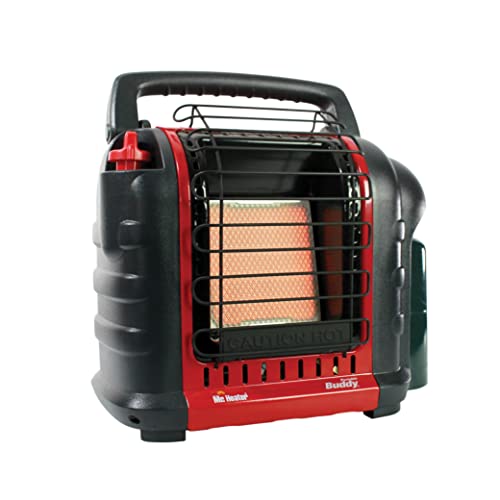
The Mr. Heater Portable Buddy MH9BX is a compact radiant propane heater designed for small spaces. It operates between 4,000 and 9,000 BTU and is rated for use in enclosed spaces with enhanced safety features.
- Heating Method: Infrared/radiant—warms objects and people directly rather than heating large volumes of air.
- Safety: Tip-over switch and an improved shutoff for safe indoor or cabin use; piezo igniter for matchless start.
- Portability: Small footprint and lightweight for stowage on boats where space is limited.
- Use Cases: Best for small cabins, berth areas, or temporary use on deck when sheltered.
Because it heats by radiation, the Buddy is efficient for localized warmth but is not intended as a primary heater for large or poorly insulated cabin spaces. Users should follow marine ventilation and gas-safety practices when operating in enclosed vessels.
Heat Hog 18,000 BTU Portable Heater

The Heat Hog 18,000 BTU unit provides higher output suited for larger cabins or open cockpit areas. It runs on small cylinders or a 20 lb tank with an accessory hose, offering flexible fuel options for marine operations.
Call 888-896-7031 for Free Local HVAC Quotes – Compare and Save Today!
- Output: Up to 18,000 BTU, capable of heating larger areas—manufacturer states coverage up to 450 sq. ft. in ideal conditions.
- Design: Tiltable head with curved plaque technology to broaden the heated area, which can be advantageous on boats with open layouts.
- Fuel Flexibility: Can run on portable 1 lb. cylinders or connected to a larger tank for longer runtime.
- Application: Suited for workshops, larger cabins, cockpit enclosures, and outdoor deck heating when wind is limited.
For marine installations, secure mounting and ventilation considerations remain essential. Radiant units like the Heat Hog warm occupants quickly but require safe placement away from flammable materials and splash zones.
GASLAND Outdoors BE158B 1.58GPM

The GASLAND BE158B is a compact tankless propane water heater delivering 1.58 GPM and a maximum output around 41,000 BTU/hr. It is designed to run from a standard 20 lb propane tank and includes multiple safety features.
- Flow And Output: 1.58 GPM suitable for a shower or galley sink in a small boat when flow is limited.
- Safety & Certification: CSA-certified with overheating protection, low water flow protection, flame failure device, and anti-freezing measures.
- Ignition: Electronic ignition powered by batteries for off-grid marine use.
- Installation: Intended for outdoor or ventilated installations; plumbing and exhaust routing on boats must meet marine codes and manufacturer guidance.
This unit suits boaters seeking on-demand hot water for washing and short showers. Confirm freshwater pump compatibility and plan exhaust and water inlet routing to prevent moisture and combustion gas issues in enclosed compartments.
GASLAND BS211 2.11GPM Instant Heater

The GASLAND BS211 increases hot-water capability with 2.11 GPM and a maximum output near 55,000 BTU/hr, targeting users who need higher flow for showers and simultaneous fixtures.
Call 888-896-7031 for Free Local HVAC Quotes – Compare and Save Today!
- Higher Flow: 2.11 GPM supports more comfortable showering and better service to a galley sink compared to lower-flow units.
- Energy Efficiency: Designed for reduced gas consumption with advanced combustion for quieter operation.
- Off-Grid Ready: Operates from a 20 lb propane tank and battery-assisted ignition for situations without shore power.
- Safety: Multiple protections including dry combustion and flame failure device; follow CSA guidance and local marine requirements.
On boats, the BS211 is a stronger option for owners prioritizing continuous hot water for the galley and head. Proper venting, secure mounting, and routing of gas lines and exhaust are mandatory to meet marine safety standards.
Outdoor Tankless Propane Water Heater 1.58GPM

This portable Outdoor Tankless Propane Water Heater emphasizes compact size and portability with a slim profile and built-in handle. It delivers about 40,000 BTU and 1.58 GPM, plus several safety features.
- Portability: Lightweight, slim design and included shower head make it convenient for temporary boat use or transom installation.
- Start-Up: Activates at low water pressure—useful where small marine pumps or gravity feed systems are used.
- Safety Suite: Overheating protection, dry combustion protection, and flame failure device for marine-safe operation when installed per guidance.
- Accessories: Often includes fittings and shower head; check included parts and marine-grade hose compatibility before installation.
As a portable solution, this unit is useful for small vessels, tender boats, or as a transient hot-water source during maintenance and cleaning. Permanent marine installations require corrosion-resistant mounting and exhaust routing away from living spaces.
Buying Guide: Choosing A Propane Boat Heater
Selecting the right propane heater for a boat involves evaluating heat type, capacity, safety, installation, and intended use. Below are key considerations and comparison perspectives to make an informed choice.
1. Define The Purpose
Decide whether you need space heating (radiant or convection) or on-demand hot water (tankless water heater). Radiant heaters (Mr. Heater, Heat Hog) provide localized warmth; tankless units (GASLAND models) provide continuous hot water for galley and head needs.
2. BTU And Flow Rates
Match capacity to cabin size and usage. For space heating, BTU output indicates potential coverage—higher BTUs heat larger areas but may require larger fuel supply. For water heaters, compare GPM ratings: 1.58 GPM suits quick rinses and modest showers; 2.11 GPM gives a fuller shower experience.
3. Fuel Source And Runtime
Check if the heater uses small disposable cylinders or standard 20 lb tanks. Larger tanks offer longer runtime but need secure mounting and venting aboard. Consider fuel connections and whether you’ll adapt to an onboard propane system.
4. Safety Features For Marine Use
Look for CSA or UL certification where applicable, and features like tip-over shutoff, flame failure devices, overheat protection, and low-flow cutoffs. Proper exhaust routing, ventilation, and carbon monoxide precautions are critical on boats.
5. Installation And Venting
Space heaters may require only stable placement and clearance from combustibles. Tankless water heaters need secure mounting, water plumbing, and safe exhaust paths. Onboard installations should follow marine codes and possibly require professional installation to meet safety standards.
6. Corrosion Resistance And Marine Durability
Marine environments are harsh—choose units with corrosion-resistant components or plan protective mounting (e.g., stowed away from spray, use of stainless fittings). Consider whether the product is intended for outdoor use or sheltered mounting.
7. Ignition And Off-Grid Capability
Battery or piezo ignition matters for boats without shore power. Tankless water heaters with battery-assisted electronic ignition are preferable for off-grid cruising. Confirm battery type and accessibility for replacement.
8. Space And Portability Constraints
Smaller vessels may require compact, portable units. Portable tankless heaters and compact radiant units are easier to stow and deploy for temporary use. For permanent installations, ensure sufficient space and structural support for mounting.
9. Maintenance And Serviceability
Consider warranty, availability of replacement parts, and serviceability. Regular checks of propane lines, fittings, and burners are essential. Choose units with clear documentation and accessible components for routine maintenance.
10. Multiple Comparison Perspectives
- Performance vs. Size: Higher BTU and GPM provide more capability but demand more space and fuel. Balance performance with available stowage and tank capacity.
- Safety vs. Convenience: Portable units offer convenience but may lack integrated safety features of fixed marine systems. Fixed installations can incorporate dedicated exhaust and ventilation for safer long-term use.
- Cost of Ownership: Consider fuel consumption, maintenance, and potential professional installation costs when comparing units.
When selecting a propane heater for marine use, prioritize safety, compatibility with your boat’s fuel system, and the intended operational profile—temporary portable heat versus permanent on-demand hot water. Always follow manufacturer instructions and marine regulations for fuel and combustion appliance installations.
Tips for Getting the Best HVAC Prices
- Prioritize Quality Over Cost
The most critical factor in any HVAC project is the quality of the installation. Don’t compromise on contractor expertise just to save money. - Check for Rebates
Always research current rebates and incentives — they can significantly reduce your overall cost. - Compare Multiple Quotes
Request at least three estimates before making your choice. You can click here to get three free quotes from local professionals. These quotes include available rebates and tax credits and automatically exclude unqualified contractors. - Negotiate Smartly
Once you've chosen a contractor, use the proven strategies from our guide — How Homeowners Can Negotiate with HVAC Dealers — to get the best possible final price.