
Choosing a wall-mounted propane heater requires matching heat output, venting type, safety features, and installation needs to your space. Below is a quick comparison of five relevant wall-mount propane heaters featured in this guide.
| Product | Type | Max BTU | Coverage (Approx.) |
|---|---|---|---|
| Dyna-Glo 30,000 BTU Liquid Propane Blue Flame Vent Free Wall Heater | Vent-Free, Blue Flame | 30,000 | Up To 1,000 Sq. Ft. |
| ProCom ML300TBA-B Ventless Propane Blue Flame Space Heater | Vent-Free, Blue Flame | 30,000 | Up To 1,400 Sq. Ft. |
| Comfort Glow 11,000 BTU Direct Vent Liquid Propane Wall Heater | Direct Vent (Vented) | 11,000 | Up To 375 Sq. Ft. |
| ProCom ML250TPA-B Infrared Ventless Propane Space Heater | Vent-Free, Infrared | 25,000 | Up To 1,150 Sq. Ft. |
| Heatstar 30000 Btu Vent Free Radiant Propane Heater With Thermostat | Vent-Free, Radiant | 30,000 | Up To 1,000 Sq. Ft. |
Content Navigation
- Dyna-Glo 30,000 BTU Liquid Propane Blue Flame Wall Heater
- ProCom ML300TBA-B Ventless Propane Blue Flame Heater
- Comfort Glow 11,000 BTU Direct Vent Propane Wall Heater
- ProCom ML250TPA-B Infrared Ventless Propane Space Heater
- Heatstar 30000 Btu Vent Free Radiant Propane Heater With Thermostat
- Buying Guide: How To Choose A Wall-Mount Propane Heater
Dyna-Glo 30,000 BTU Liquid Propane Blue Flame Wall Heater

Type: Vent-Free Blue Flame. This unit is specified as liquid propane ready with no fuel conversion permitted. It uses Blue Flame Technology that convects heat to warm room air similar to central systems. The heater lists a variable heat output of 24,000–30,000 BTU/hr.
Applications include supplemental heating for spaces up to about 1,000 sq. ft.. Wall-mount installation is the recommended mounting type. Blue flame units provide convection heat that mixes with room air for even temperature distribution.
Relevant design points: vent-free operation eliminates the need for venting infrastructure, while the manufacturer notes fuel-specific compatibility. Consider local regulations and indoor air quality when choosing vent-free systems.
ProCom ML300TBA-B Ventless Propane Blue Flame Heater

Call 888-896-7031 for Free Local HVAC Quotes – Compare and Save Today!
Type: Ventless Blue Flame. The ProCom ML300TBA-B produces a maximum 30,000 BTU output and the manufacturer states heating capability up to 1,400 sq. ft. The unit includes wall-mount hardware and optional base feet for floor placement.
Controls include a thermostat with High/Medium/Low settings, enabling adjustable heat delivery. The profile is described as slim and modern for easier integration in living areas, offices, and bedrooms.
Because this is a ventless heater, it relies on room air for combustion products to be diluted. Users should follow local codes and manufacturer ventilation recommendations for safe operation and placement.
Comfort Glow 11,000 BTU Direct Vent Propane Wall Heater
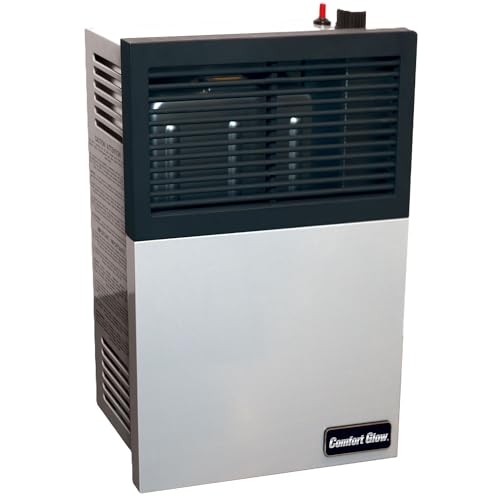
Type: Direct Vent (Vented). This Comfort Glow model provides 11,000 BTU and is rated to heat about 375 sq. ft. It features a sealed burn system and matchless piezo ignition with a safety pilot and built-in pressure regulator.
Direct vent systems exhaust combustion byproducts outside and draw combustion air from outdoors, reducing indoor contaminants and making them suitable where indoor air quality or vent-free restrictions are a concern. The unit’s dimensions are compact for wall mounting and space-saving installation.
Call 888-896-7031 for Free Local HVAC Quotes – Compare and Save Today!
Key safety design: the sealed-burn and pressure-regulating pilot aim to stop gas flow if the pilot is extinguished. This makes it appropriate for living spaces where venting is permitted and preferred.
ProCom ML250TPA-B Infrared Ventless Propane Space Heater

Type: Vent-Free Infrared. This model is rated at 25,000 BTU with coverage up to approximately 1,150 sq. ft. The heater uses infrared technology to warm objects and people directly rather than primarily convecting air.
It includes a thermostat with High/Medium/Low control and provides both wall-mount hardware and floor base feet. Infrared heaters can feel warmer at lower air temperatures due to direct radiant heat transfer.
Like other vent-free units, consideration of indoor air quality, oxygen depletion, and local code compliance is important. Infrared ventless units may perform differently in rooms with high ceilings or obstructed sightlines.
Heatstar 30000 Btu Vent Free Radiant Propane Heater With Thermostat

Type: Vent-Free Radiant. This Heatstar model delivers 30,000 BTU and features a top-mounted adjustable thermostat and a blower for improved heat circulation. It uses battery-operated electronic ignition.
The heater supports wall mount or free-standing installation with included feet kit. Radiant heaters provide targeted warmth that can be effective in spaces like sunrooms, workshops, and cabins where direct radiant heat is valued.
Important operational points: the blower helps distribute radiant heat more evenly, and the included thermostat allows user temperature control. As with other ventless units, verify compliance with local vent-free appliance regulations.
Buying Guide: How To Choose A Wall-Mount Propane Heater
Selecting the right wall-mounted propane heater depends on five core factors: heating type, BTU and coverage, venting and indoor air quality, safety and controls, and installation constraints.
Heating Type: Blue Flame, Infrared, Or Radiant
- Blue Flame (Convection): Heats room air by convection for even distribution. Good for general whole-room warmth.
- Infrared (Radiant): Directly warms objects and people. Effective when targeted or when fast warm sensation is desired.
- Radiant With Blower: Adds some air movement to radiant warmth for broader comfort.
BTU Rating And Coverage
- Match the heater’s BTU output to room size. Higher BTUs are required for larger, poorly insulated, or high-ceiling areas.
- Manufacturer coverage estimates (sq. ft.) are a starting point. Consider insulation, window area, and climate zone when interpreting those numbers.
Vented vs Vent-Free
- Vent-Free (Unvented): Easier installation, no flue required, but combustion products enter the living space. Check local codes and room suitability.
- Direct Vent (Vented): Sealed combustion draws air from outdoors and exhausts outside. Preferred when indoor air quality or building codes limit vent-free appliances.
Safety Features And Controls
- Look for sealed-burn systems, safety pilots, pressure regulators, and oxygen depletion sensors where applicable.
- Thermostat control and adjustable settings enable efficient operation and temperature stability.
- Electronic or piezo ignition systems affect user convenience and battery requirements.
Installation And Placement
- Verify that wall mounting location provides adequate clearances from combustible materials per manufacturer instructions.
- Consider whether base feet or free-standing placement is needed for flexibility.
- For vented units, plan routing for a direct vent or flue and check exterior wall suitability.
Indoor Air Quality And Regulations
- Vent-free appliances may increase humidity and CO2 levels; ensure adequate ventilation and follow local building codes.
- Direct vent models help maintain indoor air quality by isolating combustion.
- Check local and state regulations regarding the use of vent-free heaters in living spaces.
Efficiency And Fuel Consumption
- BTU rating alone does not equal efficiency. Consider how the heater delivers heat (radiant vs convective) and whether a thermostat or blower improves usable comfort.
- For propane, confirm fuel supply compatibility and recommended cylinder size for run-time expectations.
Comparison Perspectives
- Performance vs Room Type: Use radiant or infrared for targeted warmth; choose blue flame or vented for whole-room comfort.
- Installation vs Convenience: Vent-free models reduce installation complexity, vented models require more work but provide cleaner indoor air.
- Safety vs Efficiency: Advanced safety pilots and sealed-burn systems add protection; thermostat control helps efficiency and comfort.
When evaluating models, cross-check manufacturer specifications, local code requirements, and the specific needs of your space to determine which wall-mounted propane heater aligns with ventilation capabilities, safety priorities, and heating performance goals.
Tips for Getting the Best HVAC Prices
- Prioritize Quality Over Cost
The most critical factor in any HVAC project is the quality of the installation. Don’t compromise on contractor expertise just to save money. - Check for Rebates
Always research current rebates and incentives — they can significantly reduce your overall cost. - Compare Multiple Quotes
Request at least three estimates before making your choice. You can click here to get three free quotes from local professionals. These quotes include available rebates and tax credits and automatically exclude unqualified contractors. - Negotiate Smartly
Once you've chosen a contractor, use the proven strategies from our guide — How Homeowners Can Negotiate with HVAC Dealers — to get the best possible final price.