
Finding the right propane unit heater depends on space size, venting, mobility, and safety features. Below is a compact comparison table of five propane heaters chosen for varied applications from portable patio warming to fixed high-BTU garage heat.
| Product | Type | BTU | Coverage |
|---|---|---|---|
| Mr. Heater MHU80LP | Propane Unit Heater | 80,000 | Industrial/Garage |
| Modine Hot Dawg 75,000 | Propane Power Vented Unit | 75,000 | Large Workshop |
| Mr. Heater 30,000 Vent Free Radiant | Wall-Mount Radiant | 30,000 | Up To 1,000 sq. ft. |
| Dyna-Glo IR30PMDG-1 | Infrared Vent-Free Wall | Up To 30,000 | Up To 1,000 sq. ft. |
| Mr. Heater 4K–18K Portable LP | Portable Patio/Indoor-Safe | 4,000–18,000 | Up To 450 sq. ft. |
Content Navigation
Mr. Heater MHU80LP 80,000 BTU

This propane model is designed as a fixed unit heater for larger garages, shops, and commercial spaces. Features include 80,000 BTU output and a spark ignition with a self-diagnostic control module for reliable starts. The unit ships with mounting angle brackets for ceiling installation. Manufacturer notes indicate coverage suitable for sizable work areas and recommends professional installation for fuel connections and venting where applicable. Electrical connection and proper clearance should be observed per product instructions. This unit focuses on delivering sustained direct heat for enclosed workspaces.
Modine Hot Dawg 75,000 BTU

The Modine Hot Dawg is a power-vented propane unit heater intended for substantial spaces requiring robust heating. It specifies 75,000 BTU input and an efficiency rating (manufacturer lists approximately 80% efficiency). Power venting enables more flexible installation locations by actively exhausting combustion products. The unit is marketed for use in garages and industrial bays where integrated ducting or elevation placement is beneficial. Installation typically requires electrical power for the venting system and adherence to ventilation codes.
Mr. Heater 30,000 BTU Vent Free Radiant

Call 888-896-7031 for Free Local HVAC Quotes – Compare and Save Today!
This wall-mounted unit uses radiant infrared technology to warm objects and people directly, offering an alternative to convective heaters. Rated at 30,000 BTU, it is specified for supplemental heat in rooms, additions, sunrooms, or cabins up to approximately 1,000 sq. ft. The product notes high fuel efficiency and a multi-tile burner design that delivers even radiant output. Because it is vent-free, installation locations are constrained by local codes and indoor air quality considerations; proper room sizing and CO detection are advised when used indoors.
Dyna-Glo IR30PMDG-1 30,000 BTU

The Dyna-Glo infrared wall heater is a vent-free liquid propane radiant model offering variable output up to 30,000 BTU/hr. Infrared heating is effective where direct warmth is preferred over heating the entire air volume. The unit is designated as LP-ready and emphasizes radiant heat that warms surfaces and occupants quickly. Vent-free operation increases installation flexibility but requires compliance with indoor air quality rules and adequate ventilation in the conditioned space.
Mr. Heater 4K–18K Portable LP Heater
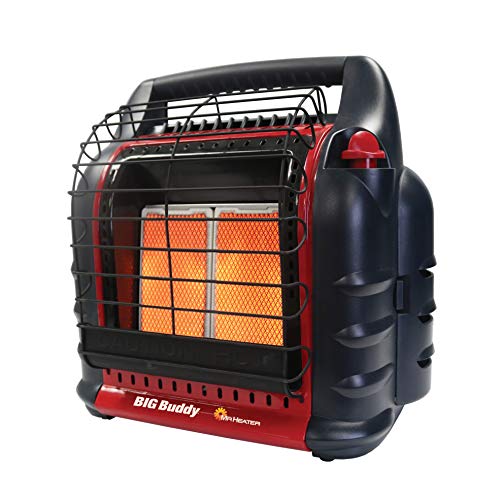
This portable propane unit offers variable 4,000, 9,000, or 18,000 BTU settings and supports use with larger propane tanks when configured appropriately. It targets patios, porches, camping, and small workshop spaces with a listed heat range up to about 450 sq. ft. The design includes a single control knob with piezo ignition and built-in safety shutoffs including tip-over protection. Portability and adjustable output make this model suitable for intermittent or outdoor-close-quarters heating where venting or hard-plumbed gas is not practical.
Buying Guide: How To Choose A Propane Unit Heater
Selecting the right propane heater requires evaluating room size, installation constraints, fuel supply, and safety. The following considerations compare key perspectives to guide a balanced purchase.
Call 888-896-7031 for Free Local HVAC Quotes – Compare and Save Today!
Heat Output And Coverage
- Match BTU To Space: Use BTU as a baseline—small rooms often need under 20,000 BTU, medium garages 30,000–50,000 BTU, and large workshops or commercial bays may require 60,000–80,000+ BTU.
- Radiant vs Convective: Infrared/radiant units warm objects and occupants directly and feel warmer at lower ambient air temps; convective or forced units heat air, useful for full-space temperature control.
Venting And Installation
- Vent-Free: Offers easier installation and higher apparent efficiency but depends on local codes and indoor air quality. Best for well-ventilated rooms or permitted applications.
- Power-Vent/Direct-Vent: Requires exhaust pathways but improves combustion air control and can be safer in tighter buildings. Power-vent units need electrical supply for fans.
- Clearances And Mounting: Confirm manufacturer-required clearances from walls, ceiling, and combustibles and whether ceiling or wall mounting is supported.
Fuel Supply And Connections
- Propane Tank Size: Portable units typically run on small cylinders; larger fixed units may need a permanently installed tank or plumbed gas line.
- Conversion And Compatibility: Some units are LP-ready only; others have conversion kits. Verify supported fuel types and whether conversion is allowed by the manufacturer.
Safety Features
- Tip-Over And Oxygen Depletion Sensors (ODS): Especially important for portable and vent-free units to prevent unsafe operation.
- Ignition Systems: Piezo or electronic spark ignition reduces the need for matches and offers safer startups; look for diagnostic modules for troubleshooting.
- CO Detection: Install CO alarms when using combustion heaters indoors—even vent-free models—per code and safety best practices.
Efficiency And Operating Cost
- BTU vs Efficiency: Higher BTU increases fuel consumption; radiant units may feel more efficient at lower operating levels because they heat people and objects directly.
- Duty Cycle: Consider how long the heater will run daily—continuous heavy use favors fixed, plumbed systems; occasional use suits portable models.
Application And Placement
- Garage Or Workshop: Fixed high-BTU unit heaters or power-vented models are suitable to maintain ambient temps across larger volumes.
- Indoor Living Spaces: Vent-free radiant wall units can supplement heat but must comply with building codes and ventilation needs.
- Outdoor Or Semi-Open Areas: Portable LP heaters with adjustable BTU output offer flexibility and quick warmth for patios or job sites.
Maintenance And Longevity
- Professional Installation: For fixed, high-BTU units, professional installation ensures safe gas connections, proper venting, and compliance with local codes.
- Filter And Burner Access: Check how easy routine cleaning and burner access are for seasonal maintenance.
Comparison Perspectives
- Performance vs Flexibility: High-BTU fixed units deliver the most sustained power but require permanent installs. Portable units trade peak power for mobility and simple setup.
- Safety vs Convenience: Vent-free models are convenient to install but impose stricter indoor air monitoring; vented or power-vent models are less reliant on indoor air quality but need more complex installation.
- Operating Costs vs Comfort: Radiant heat can create perceived comfort at lower air temps, potentially lowering run time. Evaluate fuel consumption relative to required comfort levels.
When narrowing choices, start by defining the area to heat, whether the space is ventilated, and whether the unit will be permanently installed or portable. Cross-check local codes for vent-free use and consult a licensed installer for fixed unit hookups and complex venting needs.
Tips for Getting the Best HVAC Prices
- Prioritize Quality Over Cost
The most critical factor in any HVAC project is the quality of the installation. Don’t compromise on contractor expertise just to save money. - Check for Rebates
Always research current rebates and incentives — they can significantly reduce your overall cost. - Compare Multiple Quotes
Request at least three estimates before making your choice. You can click here to get three free quotes from local professionals. These quotes include available rebates and tax credits and automatically exclude unqualified contractors. - Negotiate Smartly
Once you've chosen a contractor, use the proven strategies from our guide — How Homeowners Can Negotiate with HVAC Dealers — to get the best possible final price.