
Replacing a wall heater requires choosing the right size, safety features, and control type. Below is a concise comparison of five popular wall heater options to help you decide. The table summarizes the selected models and a key specification for quick reference.
| Product | Key Feature |
|---|---|
| Cadet Com-Pak CSC202TW | Higher wattage for larger rooms (2000/1500W) |
| ENVI Plug-in Electric Panel Wall Heater | Fan-less, low-watt convection with safety sensor |
| Cadet Com-Pak CSC151TW | Standard 1500W 120V with built-in thermostat |
| Broan-NuTone 9815WH | Adjustable front-mounted thermostat, convertible voltage |
| Heat Storm HS-1500-PHX-WIFI | Infrared wall-mounted unit with Wi‑Fi control |
Cadet Com-Pak Electric Wall Heater CSC202TW 240/208V
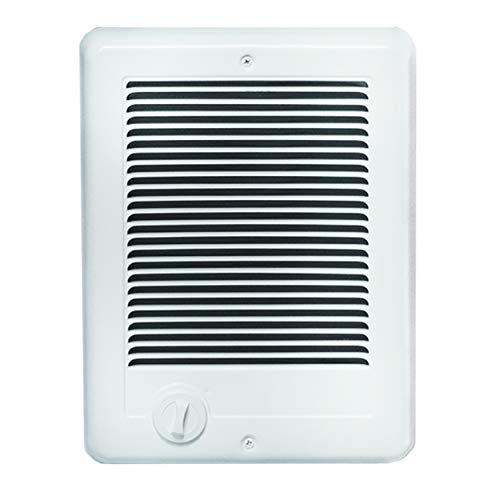
Overview: The Cadet Com-Pak CSC202TW is a complete electric wall heater intended to warm areas up to approximately 200 square feet using a coil element and an integrated thermostat. It supports 240/208 volt installations with selectable wattage settings (2000/1500 Watt) to match room size and supply.
Performance And Coverage: The coil element provides fast heat output, and the built-in fan spreads warmth through the room. This model is best suited to medium rooms where rapid heat is desired. Manufacturer guidance cites optimal performance under 10,000 feet elevation.
Safety And Installation: The unit includes automatic thermal cutoff protection that shuts the heater off if operating temperatures exceed safe limits. Models at 1500W and under can be ceiling-mounted in some installations. Wiring and volt selection should match local electrical codes and existing wall cans for an easier replacement.
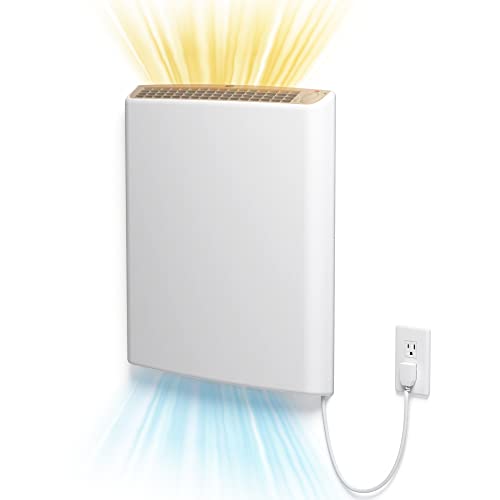
ENVI Plug-In Electric Panel Wall Heater Fan-Less Convection
Call 888-896-7031 for Free Local HVAC Quotes – Compare and Save Today!
Overview: The ENVI wall-mounted panel heater uses a patented fan-less “stack convection” design to produce quiet, gentle warmth while operating at a low surface temperature (around 90°F). It is positioned as a low-wattage alternative to conventional fan heaters.
Safety And Indoor Air Quality: A wall-sense safety sensor disables power if the unit is removed from its bracket, and the fan-less design reduces dust circulation, benefiting allergy sufferers. The unit is intended for continuous 24/7 operation and prioritizes silent operation and stable room humidity.
Energy Use And Use Cases: Because the panel targets localized heating, it can supplement or partially replace central systems to reduce overall energy use for occupied rooms. It is a good fit for bedrooms, offices, and spaces where low noise and stable humidity are priorities.
Cadet Com-Pak Electric Wall Heater CSC151TW 120V

Overview: The Cadet CSC151TW is the 120V, 1500W version of the Com-Pak series, featuring a built-in thermostat and a compact design for direct wall replacement of many common heater cans.
Practical Considerations: This model suits standard single-room heating needs such as small living rooms, bedrooms, or offices. The integrated thermostat simplifies temperature control and reduces the need for external controllers.
Call 888-896-7031 for Free Local HVAC Quotes – Compare and Save Today!
Installation Notes: Use of the same wall can as many Cadet series units can make upgrades or replacements straightforward, often avoiding patchwork in the wall. Confirm the existing wiring and wall box compatibility before purchase.
Broan-NuTone 9815WH High Capacity Wall Heater 1500W

Overview: The Broan-NuTone 9815WH is a widely used electric wall heater featuring a front-mounted adjustable thermostat and a white contemporary grille. It operates at 1500W (120V) and is convertible to 240V where wiring supports it.
Design And Usability: The heater is permanently lubricated for low maintenance and offers straightforward front control for dial adjustments. The grille styling makes it fit neutral or contemporary interiors and louvers distribute heat across the room.
Installation And Versatility: Convertible wiring options increase flexibility for retrofits. Front-mounted controls make temperature changes easy without opening the unit. Overheat protection is included to enhance safety during continuous operation.
Heat Storm HS-1500-PHX-WIFI Infrared WiFi Wall Heater

Overview: The Heat Storm HS-1500-PHX-WIFI is a wall-mounted infrared heater with Wi‑Fi connectivity, a touchscreen digital thermostat, and remote control. It is designed to save floor space and provides focused radiant warmth.
Control And Connectivity: Wi‑Fi capability enables remote operation from a smartphone app, which is useful for scheduling and preheating rooms. It also includes a remote and a touch screen for local control.
Safety And Features: The unit includes tip-over protection and standard safety cutoffs for electric wall heaters. Infrared heating warms objects and occupants directly rather than heating air only, which can feel efficient in targeted applications such as bedrooms or offices.
Buying Guide: How To Choose The Right Replacement Wall Heater
Replacing a wall heater requires attention to several technical and lifestyle factors. Below are the primary considerations to evaluate when selecting a unit for replacement.
Room Size And Heater Output
Match Wattage To Room Square Footage: Select a heater whose output aligns with room size. Typical guidance: 10 watts per square foot for well-insulated spaces is a rough baseline, but higher wattage (1500–2000W) suits larger or poorly insulated rooms. Verify manufacturer BTU/watt ratings and intended coverage.
Voltage And Wiring Compatibility
Confirm Existing Electrical Supply: Determine whether your wall box supplies 120V, 208/240V, or multi-voltage capability. Some units like the Cadet CSC202TW require 208/240V for maximum output, while many common replacements are 120V at 1500W. Use a qualified electrician to confirm and rewire safely if necessary.
Mounting And Physical Fit
Wall Can And Trim Compatibility: Many manufacturers design units to fit specific wall cans. Using the same wall can reduces the need for drywall repair. Measure existing cutouts and ensure the new heater’s dimensions and screw pattern align with your opening.
Heating Method: Convection vs. Infrared vs. Panel
Convection/Fan Models: Provide quicker distribution through forced air and are effective at heating the air in the room. They can circulate dust and create noise depending on the fan.
Infrared/Radiant Models: Heat objects and people directly, often feeling efficient in spot-heating scenarios. They may not heat room air as quickly but can be energy-efficient for occupied zones.
Panel/Fan-Less Models: Offer silent operation, minimal dust circulation, and gradual warm-up through convection. These are suited for bedrooms or allergy-sensitive environments.
Controls And Features
Thermostat Type: Decide between mechanical dials, onboard digital thermostats, or smart/Wi‑Fi thermostats. Digital and smart controls allow greater precision and scheduling, which can improve comfort and reduce energy use.
Safety Features: Look for thermal cutoffs, overheat protection, tip-over sensors (for portable/wall-mounted combos), and wall-sense disabling where available. Safety certifications (UL/ETL) indicate compliance with recognized standards.
Noise, Air Quality, And Maintenance
Noise Level: Fan-equipped units can produce audible sound; fan-less panels and infrared units are typically quieter. Consider bedroom or office placement when prioritizing low noise.
Air Quality: Fan models can circulate dust; filterless or fan-less options reduce airborne dust movement and can be preferable for allergy-prone households.
Maintenance: Look for permanently lubricated motors and accessible grille designs for easy cleaning. Verify whether manufacturer recommends periodic service.
Installation Complexity And Professional Requirements
DIY vs. Electrician: Some replacements are straightforward swaps if the wiring, wall can, and voltages match. Complex conversions (120V to 240V or installing new wall cans) should be performed by a licensed electrician to meet code and safety standards.
Energy Efficiency And Operational Cost Perspectives
Operational Efficiency: Efficiency is influenced by control accuracy, insulation of the space, and whether the unit targets occupied zones. Smart scheduling and precise thermostats reduce wasted heat.
Comparative Energy Use: Higher wattage units deliver faster heat but may run less often; lower-wattage continuous panel heaters run longer but at lower power. Evaluate expected runtime and thermostat behavior to estimate operating patterns.
Aesthetic And Placement Factors
Grille Style And Color: Consider whether the grille and finish fit interior design. Many models come in white or neutral finishes to blend with walls.
Placement: Place heater where it can distribute heat without obstruction and away from curtains or furniture that could impede airflow or create heat buildup.
Warranty, Replacement Parts, And Brand Support
Consider Manufacturer Support: Check warranty length, availability of replacement thermostats or trim kits, and brand reputation for customer service. Models from established HVAC brands often have broader parts availability for long-term repairs.
Using these considerations will help you select a replacement wall heater that meets room size, safety needs, control preferences, and installation constraints while balancing noise and energy objectives.
Tips for Getting the Best HVAC Prices
- Prioritize Quality Over Cost
The most critical factor in any HVAC project is the quality of the installation. Don’t compromise on contractor expertise just to save money. - Check for Rebates
Always research current rebates and incentives — they can significantly reduce your overall cost. - Compare Multiple Quotes
Request at least three estimates before making your choice. You can click here to get three free quotes from local professionals. These quotes include available rebates and tax credits and automatically exclude unqualified contractors. - Negotiate Smartly
Once you've chosen a contractor, use the proven strategies from our guide — How Homeowners Can Negotiate with HVAC Dealers — to get the best possible final price.