
Choosing a propane heater for indoor use requires balancing safety features, heating capacity, and installation type. Below is a compact comparison table of selected indoor-safe propane heaters reviewed in this guide to help you quickly match features to your needs.
| Product | Type | Key Safety Features | Heat Range |
|---|---|---|---|
| Mr. Heater Portable Buddy MH9BX | Portable Radiant | Tip-Over Switch, Piezo Igniter | 4,000–9,000 BTU (up to 225 sq. ft.) |
| Mr. Heater 4K–18K Dual Tank Unit | Portable/Adjustable | Auto Shutoff, Piezo Ignition | 4,000–18,000 BTU (up to 450 sq. ft.) |
| Mr. Heater 20,000 BTU Blue Flame | Vent-Free Wall Heater | Oxygen Depletion Sensor (ODS), Thermostat | Up to 20,000 BTU (up to 700 sq. ft.) |
| OKF 6K–18K Propane Heater | Portable/Patio (Indoor Capable) | ODS, Tip-Over Protection, Pulse Ignition | 6,000–18,000 BTU (up to 450 sq. ft.) |
| ProCom ML300TBA-B Blue Flame | Ventless Wall/Portable | Thermostat Control, Wall Mount or Floor | Up to 30,000 BTU (up to 1,400 sq. ft.) |
Content Navigation
Mr. Heater Portable Buddy Heater MH9BX
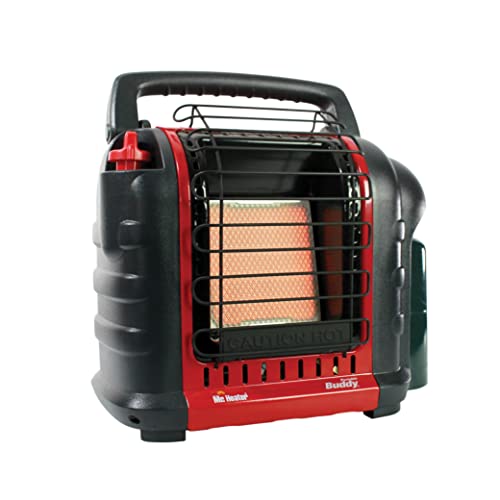
The Mr. Heater Portable Buddy MH9BX is a compact radiant heater designed for small indoor spaces like campers, workshops, and garages. It uses advanced infrared technology to heat objects and people directly, providing what many describe as sun-like warmth.
- Power And Coverage: Adjustable from 4,000 to 9,000 BTU suitable for up to roughly 225 sq. ft.
- Safety Features: Enhanced tip-over safety switch that audibly engages if the unit is moved, bumped, or tipped to shut off fuel flow.
- Ignition: Durable piezo igniter for reliable spark-based startup without matches or batteries.
- Use Cases: Ideal for portable, close-range heating where direct radiant warmth is preferred over whole-room convection.
This model emphasizes portable radiant heating with improved mechanical safety for accidental tipping and simple ignition for quick operation.
Mr. Heater 4000 To 18000 BTU Portable LP Heater
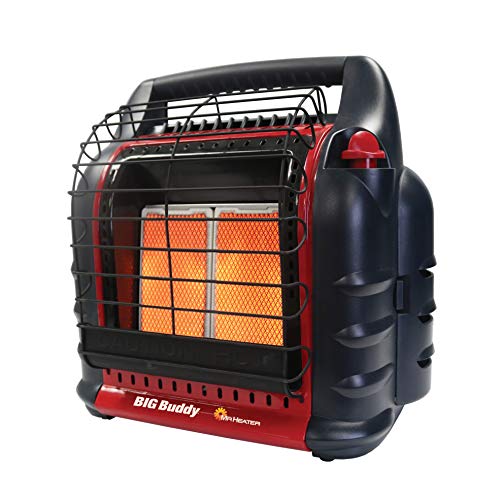
This adjustable Mr. Heater unit offers multiple heat settings and an option for dual tank connection for extended run times. It is marketed for both indoor and outdoor use with safety cutoffs built in.
Call 888-896-7031 for Free Local HVAC Quotes – Compare and Save Today!
- Heat Settings: 4,000 / 9,000 / 18,000 BTU to match room size and fuel availability, with a stated reach up to 450 sq. ft.
- Safety: Automatic safety shutoff in case of tip-over and a reliable piezo sparking mechanism for controlled ignition.
- Fuel Flexibility: Can be used with larger tanks (up to 40 lb) via additional hose for longer, steady operation.
- Installation & Use: Portable design for patios, garages, or job sites where temporary indoor-safe heating is needed with ventilation considerations.
The multiple output levels and built-in safety shutdown make this a flexible choice for users who need scalable indoor-safe heating.
Mr. Heater 20,000 BTU Blue Flame Vent Free Heater
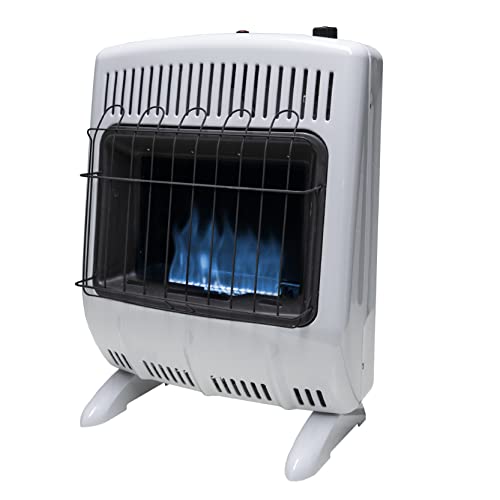
The MHVFBF20LPT is a vent-free blue flame wall heater intended for permanent indoor installation. It focuses on whole-room convection heating with integrated safety systems common to ventless propane appliances.
- Output And Coverage: Provides up to 20,000 BTU suitable for larger rooms, additions, sunrooms, or garages (manufacturer-stated up to 700 sq. ft.).
- Safety Systems: Factory-installed Oxygen Depletion Sensor (ODS) which automatically shuts the unit down if oxygen levels fall below safe thresholds.
- Controls & Ignition: Thermostat control with battery-powered electronic ignition (battery included) for precise temperature management.
- Usage Notes: Vent-free operation increases indoor combustion byproducts exposure; ODS mitigates some risk, but proper installation and adherence to clearance and ventilation recommendations are essential.
This heater is designed for fixed indoor spaces where continuous whole-room heating and thermostat control are priorities, combined with built-in low-oxygen protection.
OKF Propane Heater With ODS & Tip-Over

The OKF Propane Heater is a versatile unit intended for indoor and outdoor use that includes ODS and tip-over protection. It emphasizes durable ignition and long run times on low settings.
Call 888-896-7031 for Free Local HVAC Quotes – Compare and Save Today!
- Heat Modes: Three settings: 6,000 / 12,000 / 18,000 BTU, rated to cover areas up to about 450 sq. ft.
- Durable Ignition: Pulse ignition system, which is designed to be more durable compared with standard piezo igniters.
- Dual Safeguard: Automatic shutoff for both low oxygen conditions (ODS) and tip-over events to cut gas supply and stop operation.
- Fuel Connection: Comes with regulator and hose for 20 lb tanks; product notes extended run times on low settings to conserve fuel.
This unit provides a balance of portability and safety systems that support indoor use when following manufacturer guidelines for clearance and ventilation.
ProCom ML300TBA-B Ventless Blue Flame Heater

The ProCom ML300TBA-B is a high-output ventless blue flame heater with thermostat control, intended for residential and small commercial spaces. It can be wall-mounted or placed on the floor using included feet.
- High Capacity: Rated up to 30,000 BTU and marketed to heat larger areas (manufacturer notes coverage up to 1,400 sq. ft.).
- Control: Thermostat settings allow for staged heating (High/Medium/Low) and maintain room temperature more precisely than constant-output units.
- Installation Flexibility: Includes wall-mount hardware and base feet for floor placement, increasing placement options in occupied spaces.
- Ventless Considerations: As a vent-free appliance, it relies on indoor combustion air; proper room sizing and adherence to manufacturer ventilation and clearance instructions are essential for safe operation.
This model is aimed at users who require significant indoor heat with integrated control and flexible placement, while requiring careful attention to vent-free safety guidelines.
Buying Guide: How To Choose The Safest Indoor Propane Heater
When evaluating propane heaters for indoor use, prioritize the presence and reliability of active safety features, compatibility with the intended room size, and the type of heat delivery (radiant vs. vent-free blue flame). The following factors and comparison perspectives will help you make an informed choice.
Safety Features To Prioritize
- Oxygen Depletion Sensor (ODS): Essential for vent-free blue flame units. Detects low oxygen levels and shuts the heater off automatically.
- Tip-Over Protection: Mechanical or electronic shutoff that stops gas flow if the unit is knocked over; important for portable heaters in active spaces.
- Flame Failure Device / Thermocouple: Shuts fuel supply if the flame goes out unexpectedly, preventing unburned gas buildup.
- Reliable Ignition: Piezo or pulse ignition avoids open matches; durable igniters reduce failed starts that can leak gas.
- Certifications: Look for safety and performance listings such as CSA, ANSI, or other recognized testing lab approvals for gas appliances.
Heat Type: Radiant vs Vent-Free (Blue Flame)
- Radiant Heaters: Heat objects and people directly; effective for spot heating and often used in garages or workspaces. Generally lower whole-room combustion impact because heat is localized.
- Vent-Free Blue Flame: Convection-based whole-room heating that burns fuel indoors and relies on ODS and room ventilation. Good for sustained room heating but requires strict adherence to installation and ventilation guidelines.
Room Size And BTU Matching
- Match heater BTU rating to room square footage. Underpowered units will run continuously without meeting set temperatures; oversized vent-free units can lead to higher indoor combustion byproducts.
- Consider ceiling height and insulation—high ceilings and poor insulation increase required BTUs.
Installation And Placement Considerations
- Fixed vs Portable: Wall-mounted vent-free heaters are typically more permanent and require proper clearances; portable radiant units are flexible but need stable, flat surfaces and clear zones.
- Clearances: Follow manufacturer-required clearances from combustibles to reduce fire risk.
- Fuel Supply: Confirm hose, regulator, and tank compatibility. Larger tanks provide longer run times but may require professional hook-up for indoor-permanent appliances.
Ventilation And Indoor Air Quality
- Vent-free units increase indoor moisture and small amounts of combustion byproducts; ensure adequate ventilation and avoid prolonged high-output operation in small, sealed rooms.
- Use carbon monoxide (CO) detectors rated for fuel-burning appliances as an additional safety layer, even if the heater includes ODS.
Maintenance, Durability, And Warranty
- Regularly inspect hoses, regulators, and connection fittings for leaks and wear.
- Follow recommended maintenance schedules, replace batteries for electronic ignitions, and service vent-free units per manufacturer guidance.
- Compare warranty coverage and availability of replacement parts.
Comparison Perspectives
- Safety-First Perspective: Prefer models with ODS plus tip-over protection and flame failure devices for enclosed, occupied indoor spaces.
- Portability Perspective: For temporary use or spot heating, choose compact radiant heaters with robust tip-over cutoffs and reliable ignition systems.
- Whole-Room Heating Perspective: Select vent-free blue flame heaters with thermostats and ODS for steady convection heating, ensuring room size and ventilation are compatible.
- Energy Efficiency Perspective: Match BTU output and runtime needs. Lower BTU settings and pulse/piezo ignition systems help conserve fuel and reduce unnecessary indoor combustion.
Using this guide, compare the features, safety systems, and placement requirements of each model against your intended indoor application. Proper installation, routine maintenance, and adherence to ventilation recommendations are as crucial as the heater’s built-in safety features for ensuring safe indoor operation.
Tips for Getting the Best HVAC Prices
- Prioritize Quality Over Cost
The most critical factor in any HVAC project is the quality of the installation. Don’t compromise on contractor expertise just to save money. - Check for Rebates
Always research current rebates and incentives — they can significantly reduce your overall cost. - Compare Multiple Quotes
Request at least three estimates before making your choice. You can click here to get three free quotes from local professionals. These quotes include available rebates and tax credits and automatically exclude unqualified contractors. - Negotiate Smartly
Once you've chosen a contractor, use the proven strategies from our guide — How Homeowners Can Negotiate with HVAC Dealers — to get the best possible final price.