
Choosing a heater for a small tent requires balancing safety, fuel source, portability, and heating power. Below is a quick comparison of five compact tent-friendly heaters selected for camping, RVs, and small enclosures.
| Product | Type | Primary Fuel / Power | Notable Feature |
|---|---|---|---|
| Mr. Heater Portable Buddy MH9BX | Propane Radiant Heater | Propane | Indoor-safe radiant heat, 4,000–9,000 BTU |
| Mosoyolo Portable Propane Heater 6500 BTU | Propane Outdoor Heater | Propane | Electric igniter, folding legs |
| AMONIDA Stainless Steel Mini Tent Heater | Solid-Fuel / Portable Stove | Solid fuel / wood pellets | Stainless steel, double-layer heat design |
| AC Infinity THERMOFORGE T3 | PTC Electric Grow Tent Heater | Electric (PTC) | VPD controller, 10 heat levels, tent extension hose |
| METKIIO Portable Mini Space Heater | Electric Ceramic Heater | Electric (PTC ceramic) | Multiple power modes, overheating protection |
Content Navigation
Mr. Heater Portable Buddy MH9BX
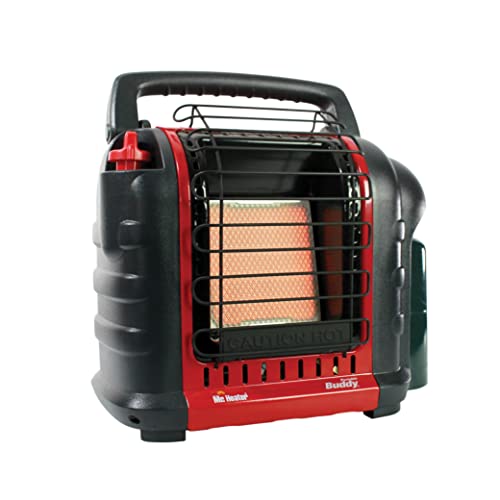
This propane radiant heater is engineered to deliver direct, sun-like warmth using infrared technology. It offers adjustable output from 4,000 to 9,000 BTU and is rated for spaces up to approximately 225 sq. ft., making it suitable for larger tents, small campers, or enclosed patios when ventilation and fuel management are addressed.
Key features include a durable Piezo igniter for matchless ignition and an enhanced tip-over safety switch that cuts fuel flow if the unit is jostled. The heater’s radiant design warms objects and people directly rather than relying on air circulation, which can be effective in drafty or partially insulated shelters.
Safety considerations include using approved propane cylinders, ensuring adequate ventilation for any combustion appliance, and following manufacturer guidance about indoor or tent use. The unit’s airflow and radiant output make it practical when short-term, high-output heat is required and when a propane source is available.
Mosoyolo Portable Propane Heater 6500 BTU

Call 888-896-7031 for Free Local HVAC Quotes – Compare and Save Today!
This compact propane heater provides a reported 6500 BTU output and is designed for outdoor or semi-enclosed spaces like large tents, garages, or golf carts. It features a built-in electronic igniter for easy startup and a control valve to modulate the flame and heat output.
The design includes folding legs for stability and an aluminum reflector for directed warmth. Safety systems described by the manufacturer include tip-over leak protection and corrosion-resistant brass connectors. The heater is oriented toward users who need a portable, high-output solution without electric power.
Practical use notes: confirm that the tent material and surrounding setup are safe for open-flame or propane appliances, maintain clearance from flammable materials, and follow ventilation recommendations to avoid buildup of combustion byproducts.
AMONIDA Stainless Steel Mini Tent Heater

The AMONIDA unit is a small stainless steel stove-style heater intended for backpacking or small-group camps. It uses a solid fuel or small wood pieces and features a double-layer heat energy dissipating structure to improve heating efficiency.
Made from high-quality stainless steel, the heater emphasizes durability and portability, with a handle for transport. This design is commonly used for cooking and localized heating in tent vestibules or well-ventilated shelters, but it requires strict attention to safe combustion practices.
Call 888-896-7031 for Free Local HVAC Quotes – Compare and Save Today!
Users should ensure adequate ventilation and stable placement on non-flammable surfaces. This type of heater is valued for fuel availability in backcountry settings and for multi-function use (heat + cooking) when managed responsibly.
AC Infinity THERMOFORGE T3

The THERMOFORGE T3 is a purpose-built electric heater for grow tents and controlled enclosures, offering precision temperature control using a corded probe and an onboard VPD/temperature controller. It uses PTC plate technology and provides 10 heat levels with PWM control for fine adjustments.
Included is an extension hose to integrate the heater with tent ducting, enabling remote air delivery and reducing direct contact with the heating element. The controller supports timers, cycles, and VPD settings, which appeals to users who need repeatable environmental control rather than simple space heating.
Electric operation eliminates combustion byproducts but requires access to reliable power. Use cases include insulated tents, large canvas shelters with power, or grow-style setups where maintaining precise temperature and humidity is essential.
METKIIO Portable Mini Space Heater
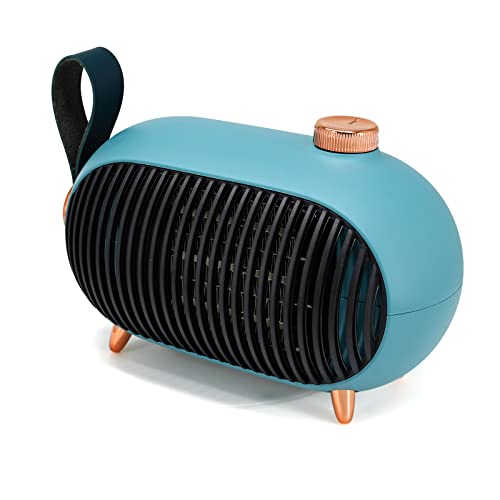
The METKIIO is a compact electric PTC ceramic heater with three modes (900W, 400W, and fan). It advertises fast heating, overheating protection, and an automatic shutoff if tipped over. The manufacturer highlights quiet operation, making it suitable for sleeping or close-quarters use if electric power is available.
Its energy-efficient ceramic element can warm a small tent or vestibule when the tent is powered and reasonably insulated. Safety features include cutoffs for high temperature and overturn events, which reduce the risk of accidental fire compared to non-protected elements.
Limitations include the need for an electrical supply and attention to moisture or condensation in tents. For powered RVs, campsites, or shelters with battery/inverter setups sized to handle continuous heating, this offers a low-maintenance electric option.
Buying Guide: How To Choose A Small Tent Heater
Choosing the right tent heater depends on intended use, tent size, available fuel or power, and safety constraints. Below are key considerations and multiple comparison perspectives to guide selection.
Fuel Source And Power Availability
- Propane Heaters (Mr. Heater, Mosoyolo): Provide high BTU output without electric power. Best for camps with proper ventilation and when portable fuel cylinders are available.
- Electric Heaters (AC Infinity, METKIIO): Require shore power, generator, or a sufficiently sized inverter/battery. Offer clean operation without combustion byproducts.
- Solid-Fuel / Stove Heaters (AMONIDA): Use wood or solid fuel; useful for backcountry and multi-function cooking/heating, but require strict ventilation and flame management.
Heating Method And Efficiency
- Radiant Heat warms objects and people directly and is effective in drafts or open-air tents. Radiant BTU ratings indicate output potential.
- Convection / Electric PTC warms air and works well in insulated tents or when used with ducting; temperature control and thermostats improve efficiency.
- Solid-Fuel Stoves concentrate heat near the stove and require strategic placement to distribute warmth safely.
Safety Features
- Look For Tip-Over Shutoff, Overheat Protection, and Leak Detection (for gas appliances).
- Open-flame devices require clearance from combustible fabrics and careful fuel handling.
- Electric heaters reduce combustion risk but still require attention to moisture and stable placement.
Ventilation And Indoor Use
Combustion heaters produce CO and other byproducts. Ensure adequate ventilation and consider using a CO detector when using any fuel-burning heater near or inside tents. Follow manufacturer guidance on indoor-safe ratings before deployment in enclosed shelters.
Portability And Setup
- Consider weight, dimensions, and foldable components for backpacking or car camping.
- Propane units often require a separate cylinder; check connector compatibility and storage needs.
- Electric heaters require cabling and may benefit from extension hoses or ducting to keep elements away from fabric.
Capacity And Tent Size
Match heater output to tent volume: small personal heaters or PTC ceramic models are adequate for single-person tents or vestibules. For multi-person tents or colder conditions, higher BTU propane units or staged heating strategies are more effective.
Durability And Environmental Conditions
- Stainless steel and corrosion-resistant materials suit wet or coastal environments.
- Electrical components should be rated for damp conditions if used in humid or rainy campsites.
Use Case Scenarios (Comparison Perspectives)
- Backcountry Backpacking: Prioritize lightweight solid-fuel stoves and strict ventilation; carry fuel alternatives.
- Car Camping / RV Sites: Choose between propane radiants for high heat or electric PTCs when shore power is available.
- Grow Tent or Controlled Enclosures: Use precision electric controllers (like THERMOFORGE T3) for repeatable environmental control.
- Short-Term Emergency Heat: Propane buddy heaters deliver quick output but require monitoring and CO detection.
Maintenance And Spare Parts
Check availability of replacement parts such as igniters, regulators, connectors, and filters. For propane devices, inspect hoses and connections regularly. For electric models, follow manufacturer cleaning and dusting recommendations to preserve airflow and sensor function.
Tips for Getting the Best HVAC Prices
- Prioritize Quality Over Cost
The most critical factor in any HVAC project is the quality of the installation. Don’t compromise on contractor expertise just to save money. - Check for Rebates
Always research current rebates and incentives — they can significantly reduce your overall cost. - Compare Multiple Quotes
Request at least three estimates before making your choice. You can click here to get three free quotes from local professionals. These quotes include available rebates and tax credits and automatically exclude unqualified contractors. - Negotiate Smartly
Once you've chosen a contractor, use the proven strategies from our guide — How Homeowners Can Negotiate with HVAC Dealers — to get the best possible final price.