
Smart thermostats for heaters and electric baseboards offer remote control, schedules, and energy savings. This guide compares popular options suitable for electric high-voltage systems and conventional HVAC systems so you can match features to your installation and smart-home ecosystem.
| Product | Primary Use | Key Feature |
|---|---|---|
| Mysa Smart Thermostat | High-voltage baseboard & fan-forced heaters | HomeKit/Alexa/Google, temp & humidity alerts |
| Mysa Smart Thermostat LITE | High-voltage baseboard heaters (DIY) | Free app remote control, energy-saving schedules |
| meross Smart Thermostat | High-voltage baseboard & convector heaters | 4-wire required, HomeKit/Alexa/Google compatibility |
| ecobee Smart Thermostat Enhanced | Conventional HVAC systems | Room sensors, humidity compensation, Energy Star |
| ecobee Smart Thermostat Essential | Conventional HVAC systems | Touchscreen, app control, broad system compatibility |
Mysa Smart Thermostat For Electric Baseboard Heaters

This Mysa model is designed specifically for high/line voltage electric heating systems such as 120–240V baseboards, convectors, and fan-forced heaters. The product listing emphasizes compatibility requirements: it requires at least four wires including a neutral or second live wire and supports loads up to specified wattages. The thermostat integrates with HomeKit, Alexa, and Google Home and offers Wi‑Fi programmable controls via a free app.
Key listed features include temperature and humidity alerts, adaptive display brightness, and a compact form factor. The listing notes installation is intended for those with compatible high-voltage wiring; older two-wire baseboard systems may be incompatible. The unit is presented as a smart option to remotely manage electric heating and monitor usage.
Mysa Smart Thermostat LITE For Baseboards

The Mysa LITE is targeted at homeowners with high-voltage electric baseboard heaters seeking a straightforward smart upgrade. The listing includes a compatibility warning: it works only with 120–240V electric heating systems and requires at least four wires (neutral or second live). It is not compatible with low-voltage or two-wire installations.
Call 888-896-7031 for Free Local HVAC Quotes – Compare and Save Today!
Listed features highlight a 100% free mobile app for remote control and schedules, claimed energy savings through in-app scheduling (up to a quoted percentage), and DIY install orientation. The LITE focuses on core smart controls without subscription fees and emphasizes ensuring wiring compatibility before purchase.
meross Smart Thermostat For Electric Heaters

meross markets this thermostat for electric baseboard, convector, and fan‑forced systems, noting it supports high-voltage loads (maximums listed per voltage). The product requires four or more wires and is claimed to install in under 30 minutes for typical setups.
Integration is with Apple HomeKit, Amazon Alexa, Google Home, and SmartThings. The listing includes voice control support and energy-saving scheduling. The feature list emphasizes practical installation notes, load ratings (e.g., 1920W at 120V, 3840W at 240V), and compatibility specifics for high-voltage systems.
ecobee Smart Thermostat Enhanced
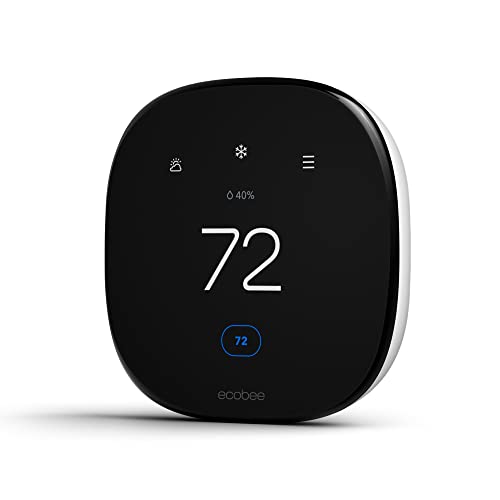
The ecobee Smart Thermostat Enhanced is designed for conventional HVAC systems and is Energy Star certified. The listing highlights automated adjustments that reduce heating and cooling when the home is empty, preconditioning before arrival, and humidity-aware temperature control to maintain perceived comfort.
Call 888-896-7031 for Free Local HVAC Quotes – Compare and Save Today!
Notable features include potential annual energy savings (quoted percentage in listing), compatibility with Siri, Alexa, and Google Assistant, and support for remote room sensors (sold separately) to address hot and cold spots. The Enhanced model emphasizes smart scheduling, occupancy-based adjustments, and system-aware optimization.
ecobee Smart Thermostat Essential

The ecobee Essential focuses on broad compatibility with conventional systems and a simplified experience. The listing states it is compatible with approximately 85% of systems and recommends using the online compatibility checker. It provides touchscreen control, app-based scheduling, and free software upgrades.
Key listing features include energy-saving schedule automation (with a quoted annual savings percentage), straightforward temperature control through the color touchscreen or app, and integration with common voice assistants. The Essential model aims to provide core smart thermostat functionality and ongoing software updates.
Buying Guide: How To Choose The Right Smart Heater Thermostat
1. Verify System Compatibility
High-Voltage vs Low-Voltage: Confirm whether your heating is high-voltage (electric baseboards, convectors, fan-forced) or low-voltage (typical central HVAC). Products like Mysa and meross are designed for high-voltage systems. ecobee models are intended for low-voltage HVAC. Installing the wrong type can prevent operation or damage equipment.
2. Check Wiring Requirements
Review the thermostat listing for wiring prerequisites. Many high-voltage smart thermostats require four wires (including a neutral or second live). Conventional smart thermostats often require a c-wire. If your installation lacks required wiring, a pro or adapter may be necessary.
3. Integration With Smart Home Ecosystem
Decide which smart assistants you use. Mysa and meross advertise compatibility with HomeKit, Alexa, and Google, while ecobee models commonly support Alexa, Siri, and Google Assistant. If you rely on HomeKit or Matter, confirm certification on the product page.
4. Remote Control, Scheduling, And Automation
Assess app functionality: look for free apps, scheduling options, auto-away, preconditioning, and firmware updates. Some models emphasize adaptive features and occupancy-based adjustments to improve comfort and savings. Check whether room sensors are supported if you have uneven heating.
5. Energy Savings And Reporting
Manufacturers often quote potential savings. Compare how each thermostat achieves savings: learning schedules, occupancy detection, humidity compensation, or remote setback. Energy Star certification on a model can indicate verified performance for central HVAC units.
6. Load Ratings And Electrical Limits
For electric heaters, confirm the thermostat’s maximum wattage and amp ratings at your system voltage. Listings for Mysa and meross provide specific load limits (e.g., 1900W at 120V / 3800W at 240V). Match the thermostat rating to the heater circuit to avoid overload.
7. Installation Complexity And Support
DIY installation is marketed for many smart thermostats, but complexity varies. High-voltage installations involve live wiring and safety precautions. Confirm available documentation, app-guided setup, and whether professional installation is recommended for older systems or nonstandard wiring.
8. Display, Alerts, And Local Controls
If you prefer local interaction, compare the physical interface and display features: touchscreen size, adaptive brightness, sleep/wake behavior, and local temperature/humidity alerts. Some models offer humidity monitoring and filter change reminders for HVAC systems.
9. Multi-Room Temperature Management
For uneven heating, check support for room sensors or temperature averaging. ecobee emphasizes room sensors to reduce hot/cold spots in central HVAC setups. For electric baseboards, consider zoning strategies or multiple thermostats controlling individual circuits.
10. Privacy And Data Policies
Review privacy statements. Some brands explicitly state data protection commitments, such as not selling personal information. If data privacy is a priority, check the vendor’s policy on data usage and third-party sharing.
Comparison Perspectives
Best For Electric Baseboards
Choose models explicitly designed for high-voltage systems (Mysa series, meross). Verify wire count and load capacity for your circuit and ensure compatibility with your smart-home platform if voice control or HomeKit is required.
Best For Central HVAC
ecobee Enhanced and Essential target low-voltage HVAC systems, offering room sensor support, humidity compensation, and Energy Star certification. Check C-wire requirements and compatibility before purchasing.
Best For Ease Of Installation
Look for thermostats with app-guided setup and illuminated terminals. Some listings highlight quick install features, but complexity depends on your wiring and system type. High-voltage installs may still require a qualified electrician for safety.
Best For Smart-Home Ecosystems
If you need HomeKit or Matter support, confirm certification on product pages. ecobee typically integrates well with multiple assistants; Mysa and meross advertise broad compatibility for electric heating systems.
Best For Energy Monitoring
Compare features like scheduling, auto-away, and usage reports. Energy Star-certified models and products that provide usage reporting can help understand and reduce consumption over time.
Tips for Getting the Best HVAC Prices
- Prioritize Quality Over Cost
The most critical factor in any HVAC project is the quality of the installation. Don’t compromise on contractor expertise just to save money. - Check for Rebates
Always research current rebates and incentives — they can significantly reduce your overall cost. - Compare Multiple Quotes
Request at least three estimates before making your choice. You can click here to get three free quotes from local professionals. These quotes include available rebates and tax credits and automatically exclude unqualified contractors. - Negotiate Smartly
Once you've chosen a contractor, use the proven strategies from our guide — How Homeowners Can Negotiate with HVAC Dealers — to get the best possible final price.