
Natural gas space heaters offer efficient, powerful warmth for rooms, garages, and additions. This guide compares five top-rated natural gas heaters with different technologies—ventless, vented, blue flame, infrared, and programmable models—so you can match performance, safety features, and installation needs to your space.
| Product | Type | BTU | Coverage |
|---|---|---|---|
| ProCom MN300TBA-B | Ventless Blue Flame | 30,000 | Up To 1,400 Sq. Ft. |
| ProCom MN300TPA-B | Ventless Infrared | 30,000 | Up To 1,400 Sq. Ft. |
| Mr. Heater MHVFBF30NGT | Vent Free Blue Flame | 30,000 | Up To 1,000 Sq. Ft. |
| Dyna-Glo IR30NMDG-1 | Infrared Wall Heater | 30,000 | Up To 1,000 Sq. Ft. |
| Rinnai FC824N | Ventless Programmable | Varies / Small Space | Compact Rooms |
Content Navigation
- ProCom MN300TBA-B Ventless Natural Gas Blue Flame Heater
- ProCom MN300TPA-B Ventless Natural Gas Infrared Heater
- Mr. Heater MHVFBF30NGT 30,000 BTU Vent Free Blue Flame Heater
- Dyna-Glo IR30NMDG-1 30,000 BTU Natural Gas Infrared Wall Heater
- Rinnai FC824N Ventless Natural Gas Heater With Programmable Thermostat
- Buying Guide: How To Choose A Natural Gas Space Heater
ProCom MN300TBA-B Ventless Natural Gas Blue Flame Heater

This ventless blue flame heater delivers 30,000 BTU and is rated to warm areas up to 1,400 sq. ft. The unit includes a built-in thermostat with High/Medium/Low settings for temperature control. It is designed for wall mounting or floor placement using included base feet, offering installation flexibility.
Key features referenced: compact blue flame technology for high heat output, thermostat control for adjustable comfort, and a slim modern profile for unobtrusive placement. As a ventless heater, it relies on room air exchange; check local codes and ventilation needs before installation.
ProCom MN300TPA-B Ventless Natural Gas Infrared Heater

This model uses infrared technology with the same 30,000 BTU output and coverage up to 1,400 sq. ft. Infrared heaters warm objects and people directly, rather than heating air first, which can provide a different perceived comfort and quick spot warming.
Call 888-896-7031 for Free Local HVAC Quotes – Compare and Save Today!
Included features: thermostat control with multiple power settings, slim profile for wall or floor placement, and compact design aimed at residential use. As an infrared ventless heater, it shares the same installation and ventilation considerations as other ventless units.
Mr. Heater MHVFBF30NGT 30,000 BTU Vent Free Blue Flame Heater
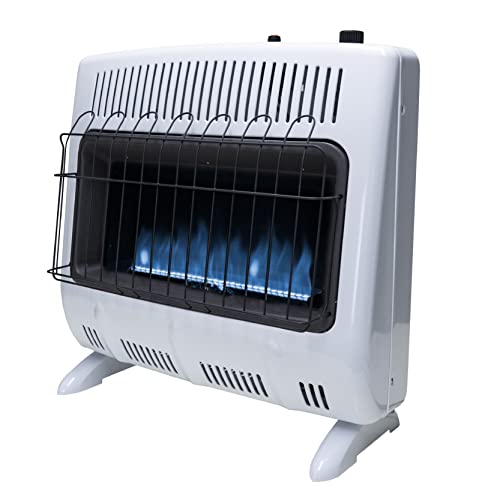
The Mr. Heater MHVFBF30NGT is a vent-free blue flame wall heater rated at 30,000 BTU and suited for spaces up to 1,000 sq. ft. It features a convenient thermostat for temperature adjustment and includes a battery for electric ignition.
Referenced features include blue flame combustion for efficient convection heat, precise thermostat control, and suitability at elevations up to 4,500 feet. As a vent-free heater, it provides even room heat through convection and requires compliance with indoor combustion appliance guidelines.
Dyna-Glo IR30NMDG-1 30,000 BTU Natural Gas Infrared Wall Heater

This infrared wall heater offers up to 30,000 BTU and is designed to warm up to 1,000 sq. ft. Infrared heat radiates to objects and occupants, providing immediate warming similar to sunlight rather than relying solely on air temperature.
Call 888-896-7031 for Free Local HVAC Quotes – Compare and Save Today!
Features noted: natural gas ready (fuel conversion may be restricted), infrared radiant heating technology for targeted warmth, and rating for larger rooms. The infrared approach can be efficient for high-ceiling or spot-heating applications where direct warming is favored.
Rinnai FC824N Ventless Natural Gas Heater With Programmable Thermostat
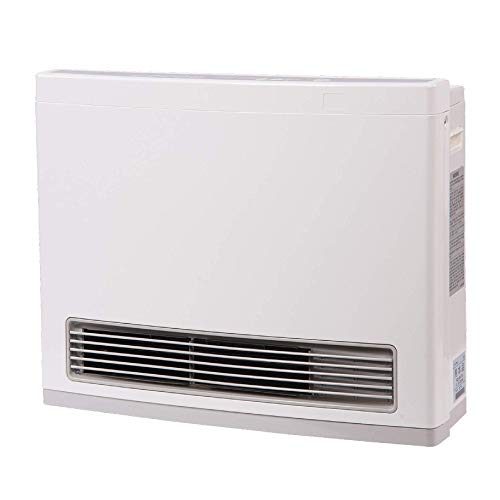
The Rinnai FC824N is a compact ventless wall heater designed for efficient small-space heating. It incorporates a programmable thermostat and adaptive digital control for precise temperature management and reduced energy waste.
Referenced features include smart control with self-diagnostics, multiple safety systems such as flame failure device, overheat switch, and oxygen depletion sensor. This model emphasizes controlled, safe operation in compact living spaces where programmable scheduling and diagnostics are priorities.
Buying Guide: How To Choose A Natural Gas Space Heater
Selecting a natural gas heater requires balancing heat output, technology type, installation, and safety. Use the points below to compare models and match them to your space.
Tips for Getting the Best HVAC Prices
- Prioritize Quality Over Cost
The most critical factor in any HVAC project is the quality of the installation. Don’t compromise on contractor expertise just to save money. - Check for Rebates
Always research current rebates and incentives — they can significantly reduce your overall cost. - Compare Multiple Quotes
Request at least three estimates before making your choice. You can click here to get three free quotes from local professionals. These quotes include available rebates and tax credits and automatically exclude unqualified contractors. - Negotiate Smartly
Once you've chosen a contractor, use the proven strategies from our guide — How Homeowners Can Negotiate with HVAC Dealers — to get the best possible final price.
Heat Output And Room Size
- BTU Rating: Match BTUs to square footage. Rough guideline—10,000 BTU covers ~300–500 sq. ft.; 30,000 BTU is typically for 700–1,400 sq. ft. Factors like insulation, ceiling height, and climate change requirements.
- Ceiling Height And Layout: High ceilings increase volume to be heated, reducing effective coverage. Open floor plans may need higher output or multiple units.
Heating Technology: Blue Flame vs Infrared vs Vented
- Blue Flame (Convection): Heats air to distribute even warmth. Good for whole-room heating and steady ambient temperatures.
- Infrared (Radiant): Warms people and objects directly; useful for spot heating, areas with drafts, or high ceilings where air heating is less efficient.
- Vented (Direct Vent/Sealed Combustion): Exhausts combustion gases outdoors—preferred where indoor air quality and code requirements mandate venting.
- Ventless/Vent-Free: Higher efficiency in transferring heat to the room but requires adherence to ventilation and code limits; oxygen depletion sensors and safety features are critical.
Safety And Compliance
- Oxygen Depletion Sensors (ODS): Automatically shut off gas if oxygen falls below safe levels; mandatory on many vent-free units.
- Flame Failure/Overheat Protection: Prevents gas flow if pilot or flame is lost, or if temperatures exceed safe thresholds.
- Local Codes And Insurance: Check local building codes and insurer requirements; some jurisdictions restrict ventless natural gas heaters in living spaces.
Installation And Location
- Wall-Mounted vs Floor Placement: Many models offer both; wall-mounting saves floor space and is common for direct vent or wall heaters.
- Clearances: Maintain manufacturer-recommended clearances from combustible materials and follow the installation manual for mounting height and anchoring.
- Gas Supply And Professional Hookup: Use a licensed technician for gas line connections, leak testing, and compliance with local codes.
Controls, Thermostats, And User Features
- Built-In Thermostats: Simplify temperature control; multi-setting thermostats allow for High/Medium/Low modulation.
- Programmable And Digital Controls: Offer scheduling, more precise temperature management, and diagnostic codes for maintenance.
- Ignition Type: Piezo or battery/electric ignition removes the need for matches; consider reliability and battery replacement needs.
Energy Efficiency And Operating Costs
- Heat Delivery Efficiency: Vent-free units typically deliver more heat into the room since no combustion gases are exhausted, but indoor air quality trade-offs exist.
- Consumption Metrics: Manufacturers may list MCF/h or BTU/hour; compare output relative to gas usage to estimate operating cost, keeping local gas rates in mind.
- Thermostat Control: Better control can reduce runtime and fuel use through more accurate temperature regulation.
Comparison Perspectives
- Whole-Room Heating: Blue flame convection models (e.g., Mr. Heater blue flame units) provide even ambient heating suitable for living areas.
- Targeted Or Fast Warmth: Infrared models (e.g., Dyna-Glo, ProCom infrared) deliver immediate radiant heat for occupants and objects—useful in drafty or high-ceiling spaces.
- Safety-Focused Installations: Choose direct vent or sealed-combustion when indoor air quality, venting, or local code restrict ventless units—Comfort Glow and some Rinnai models offer vented or advanced safety features.
- Smaller Rooms With Smart Control: Models with programmable thermostats and self-diagnostics (e.g., Rinnai FC824N) add convenience and potential energy savings for compact spaces.
Maintenance And Longevity
- Regular Inspections: Schedule checks of burners, pilots, vents (if applicable), and gas connections annually.
- Filter And Vent Cleaning: Keep any louvers and intake areas free of dust to maintain efficient combustion and airflow.
- Replacement Parts And Serviceability: Consider brand reputation for parts availability and professional service networks.